Doug North Cook – författare
Visar alla böcker från författaren Doug North Cook. Handla med fri frakt och snabb leverans.
2 produkter
2 produkter
2 014 kr
Skickas inom 3-6 vardagar
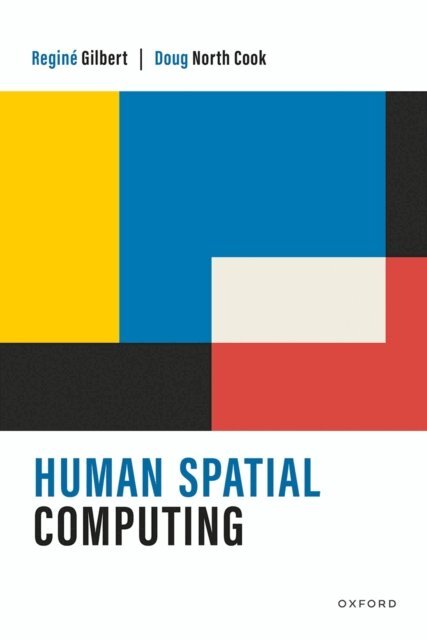
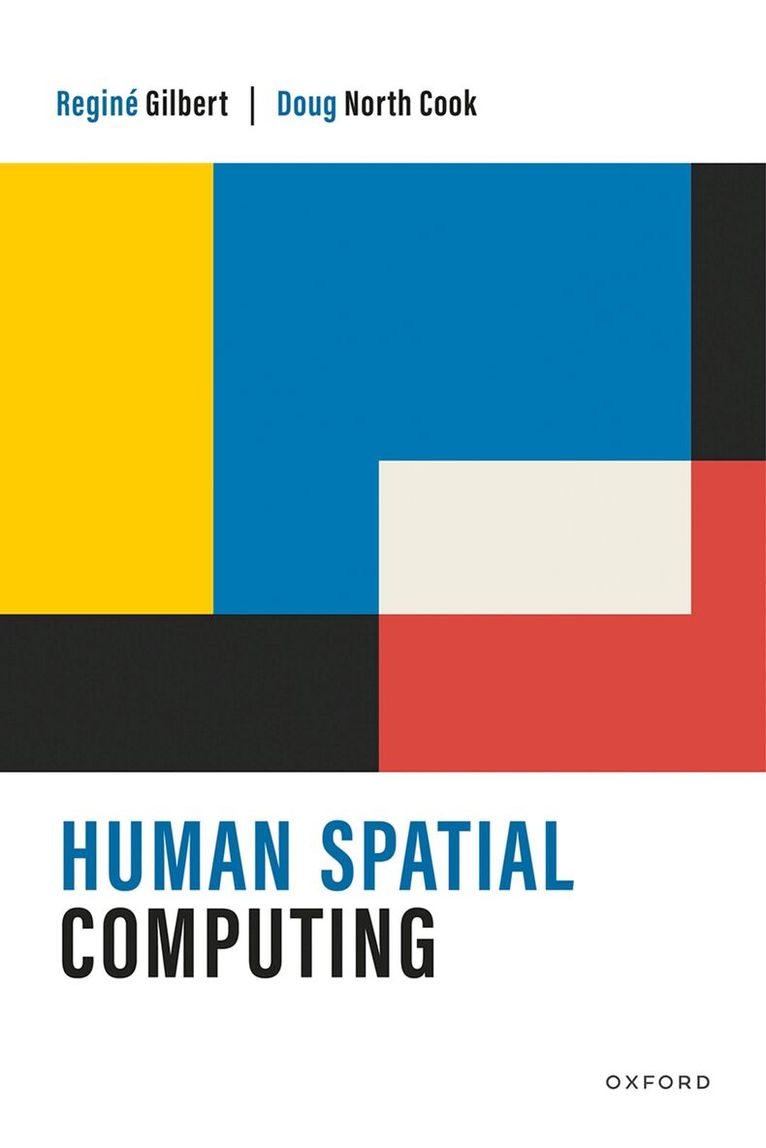
Spatial computing encapsulates a range of technologies that embrace the physical world rather than relying solely on a screen. These include approaches such as natural interfaces, haptic feedback, and virtual and augmented reality. Human Spatial Computing takes readers on a journey through this complex world of spatial computing, which is an increasingly important part of modern life.This book explores spatial computing's historical roots and contemporary implications, and highlights its transformative role in significant events, such as the global pandemic, where it proved instrumental in connecting people across distances and adapting to new social norms. It also examines the ethical dimensions surrounding this technology, with a strong emphasis on inclusivity, advocacy, and shared responsibility.Extensively covering topics around privacy, safety, and ethics from different perspectives, this text provides detailed discussions of these subjects to better understand their importance and implications. Accessible to students at undergraduate, graduate, and professional levels, each chapter includes questions for reflection and suggested activities to help apply the concepts, and provides an in-depth view of the practical factors to consider when creating spatial computing experiences. With the evolution of this technology, it's essential to consider the intricacies of making experiences more inclusive and accessible to a broader audience, to ensure a future centred around humanity.
531 kr
Skickas
Spatial computing encapsulates a range of technologies that embrace the physical world rather than relying solely on a screen. These include approaches such as natural interfaces, haptic feedback, and virtual and augmented reality. Human Spatial Computing takes readers on a journey through this complex world of spatial computing, which is an increasingly important part of modern life.This book explores spatial computing's historical roots and contemporary implications, and highlights its transformative role in significant events, such as the global pandemic, where it proved instrumental in connecting people across distances and adapting to new social norms. It also examines the ethical dimensions surrounding this technology, with a strong emphasis on inclusivity, advocacy, and shared responsibility.Extensively covering topics around privacy, safety, and ethics from different perspectives, this text provides detailed discussions of these subjects to better understand their importance and implications. Accessible to students at undergraduate, graduate, and professional levels, each chapter includes questions for reflection and suggested activities to help apply the concepts, and provides an in-depth view of the practical factors to consider when creating spatial computing experiences. With the evolution of this technology, it's essential to consider the intricacies of making experiences more inclusive and accessible to a broader audience, to ensure a future centred around humanity.