Douglas Boin – författare
Visar alla böcker från författaren Douglas Boin. Handla med fri frakt och snabb leverans.
7 produkter
7 produkter
628 kr
Skickas inom 7-10 vardagar
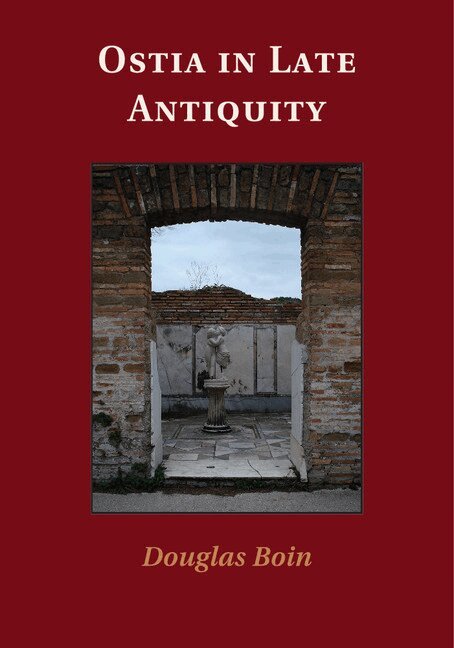
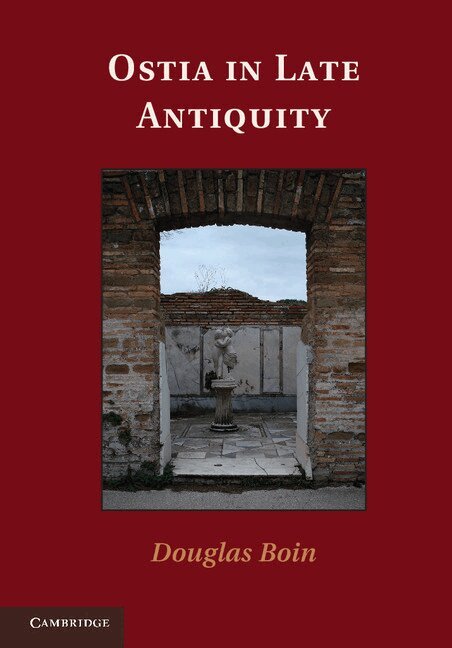
Ostia Antica was Rome's ancient harbor. Its houses and apartments, taverns and baths, warehouses, shops and temples have long contributed to a picture of daily life in ancient Rome. Recent investigations have revealed, however, that life in Ostia did not end with a bang but with a whimper. Only on the cusp of the Middle Ages did the town's residents entrench themselves in a smaller settlement outside the walls. What can this new evidence tell us about life in the later Roman Empire, as society navigated an increasingly Christian world? Ostia in Late Antiquity, the first academic study on Ostia to appear in English in almost 20 years and the first to treat the Late Antique period, tackles the dynamics of this transformative time. Drawing on new archaeological research, including the author's own, and incorporating both material and textual sources, it presents a social history of the town from the third through the ninth century.
184 kr
Skickas inom 5-8 vardagar
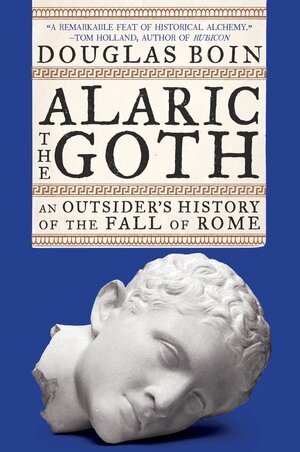
In the conventional story of Rome’s collapse, violent “barbarians” destroy “civilisation”. Yet from a different point of view, those stale generalities become a history shockingly alive and relevant.Alaric grew up near the border that separated Gothic territory from the Romans. He survived the emperor’s decision to separate immigrant children from their parents. Later, he was denied citizenship despite his service in the army. The three nights of riots the Goths brought to the capital in ad 410—led by Alaric— struck fear into the hearts of the powerful but were not without cause. Through Alaric’s story, Douglas Boin reveals the Goths’ complex and fascinating legacy in shaping the history we thought we knew but had never imagined from their perspective.
1 369 kr
Skickas inom 7-10 vardagar
Ostia Antica was Rome's ancient harbor. Its houses and apartments, taverns and baths, warehouses, shops and temples have long contributed to a picture of daily life in ancient Rome. Recent investigations have revealed, however, that life in Ostia did not end with a bang but with a whimper. Only on the cusp of the Middle Ages did the town's residents entrench themselves in a smaller settlement outside the walls. What can this new evidence tell us about life in the later Roman Empire, as society navigated an increasingly Christian world? Ostia in Late Antiquity, the first academic study on Ostia to appear in English in almost 20 years and the first to treat the Late Antique period, tackles the dynamics of this transformative time. Drawing on new archaeological research, including the author's own, and incorporating both material and textual sources, it presents a social history of the town from the third through the ninth century.
543 kr
Skickas inom 5-8 vardagar
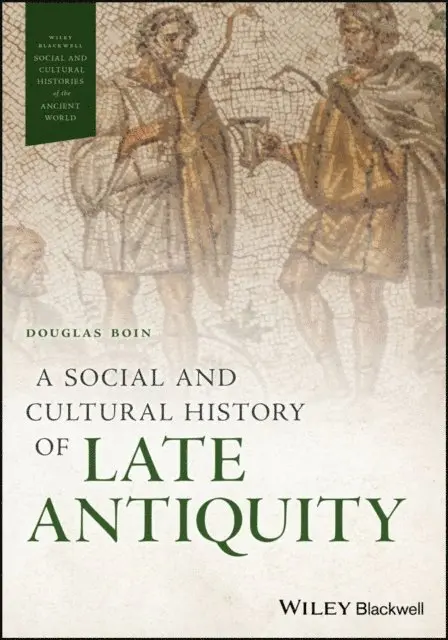
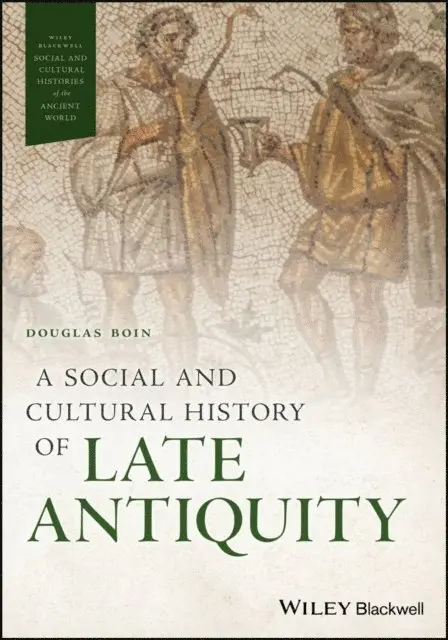
2019 PROSE Award finalist in the Classics category!A Social and Cultural History of Late Antiquity examines the social and cultural landscape of the Late Antique Mediterranean. The text offers a picture of everyday life as it was lived in the spaces around and between two of the most memorable and towering figures of the time—Constantine and Muhammad. The author captures the period using a wide-lens, including Persian material from the mid third century through Umayyad material of the mid eighth century C.E. The book offers a rich picture of Late Antique life that is not just focused on Rome, Constantinople, or Christianity. This important resource uses nuanced terms to talk about complex issues and fills a gap in the literature by surveying major themes such as power, gender, community, cities, politics, law, art and architecture, and literary culture. The book is richly illustrated and filled with maps, lists of rulers and key events. A Social and Cultural History of Late Antiquity is an essential guide that: Paints a rich picture of daily life in Late Antique that is not simply centered on Rome, Constantinople, or Christianity Balances a thematic approach with rigorous attention to chronologyStresses the need for appreciating both sources and methods in the study of Late Antique history Offers a sophisticated model for investigating daily life and the complexities of individual and group identity in the rapidly changing Mediterranean world Includes useful maps, city plans, timelines, and suggestions for further reading A Social and Cultural History of Late Antiquity offers an examination of everyday life in the era when adherents of three of the major religions of today—Christianity, Judaism, and Islam—faced each other for the first time in the same environment. Learn more about A Social and Cultural History of Late Antiquity’s link to current social issues in Boin’s article for the History News Network.
1 272 kr
Skickas inom 5-8 vardagar
2019 PROSE Award finalist in the Classics category!A Social and Cultural History of Late Antiquity examines the social and cultural landscape of the Late Antique Mediterranean. The text offers a picture of everyday life as it was lived in the spaces around and between two of the most memorable and towering figures of the time—Constantine and Muhammad. The author captures the period using a wide-lens, including Persian material from the mid third century through Umayyad material of the mid eighth century C.E. The book offers a rich picture of Late Antique life that is not just focused on Rome, Constantinople, or Christianity. This important resource uses nuanced terms to talk about complex issues and fills a gap in the literature by surveying major themes such as power, gender, community, cities, politics, law, art and architecture, and literary culture. The book is richly illustrated and filled with maps, lists of rulers and key events. A Social and Cultural History of Late Antiquity is an essential guide that: Paints a rich picture of daily life in Late Antique that is not simply centered on Rome, Constantinople, or Christianity Balances a thematic approach with rigorous attention to chronologyStresses the need for appreciating both sources and methods in the study of Late Antique history Offers a sophisticated model for investigating daily life and the complexities of individual and group identity in the rapidly changing Mediterranean world Includes useful maps, city plans, timelines, and suggestions for further reading A Social and Cultural History of Late Antiquity offers an examination of everyday life in the era when adherents of three of the major religions of today—Christianity, Judaism, and Islam—faced each other for the first time in the same environment. Learn more about A Social and Cultural History of Late Antiquity’s link to current social issues in Boin’s article for the History News Network.
286 kr
Skickas inom 5-8 vardagar
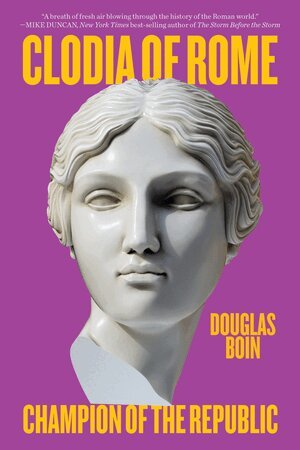
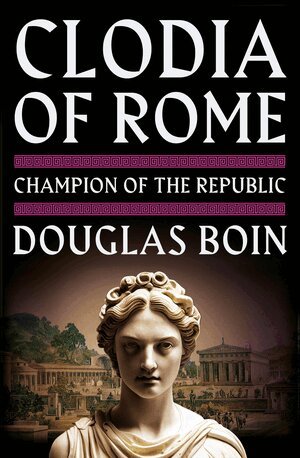
A pioneering political voice, with charisma and power that rivalled many of her male contemporaries, Clodia of Rome was a pivotal figure in the late Roman Republic until a murder trial, rife with corruption, catalysed her fall from grace. Taking readers inside the courtroom to follow the trial and Clodia’s family’s tumultuous political history, Douglas Boin brings a modern perspective to a long-buried story, full of juicy details and fascinating anecdotes. With numerous examples of the surprising roles that Roman women played, followed by the attempts of powerful men to erase their stories, Boin challenges the male-dominated narrative of classical antiquity. Clodia of Rome offers a new understanding of the radical modernity of first-century Rome—one that mirrors our own in its volatile conflicts between forces of change and those of reaction.Douglas Boin’s Alaric the Goth was praised as:"Superb”—The EconomistThe Best Books of the Year 2020: History, The Economist"...a finely crafted account of how Alaric became the embodiment of Rome's self-defeating fear of the world outside its frontiers."—Philip Parker, Literary Review
183 kr
Kommande
A pioneering political voice, with charisma and power that rivalled many of her male contemporaries, Clodia of Rome was a pivotal figure in the late Roman Republic until a murder trial, rife with corruption, catalysed her fall from grace. Taking readers inside the courtroom to follow the trial and Clodia’s family’s tumultuous political history, Douglas Boin brings a modern perspective to a long-buried story, full of juicy details and fascinating anecdotes. With numerous examples of the surprising roles that Roman women played, followed by the attempts of powerful men to erase their stories, Boin challenges the male-dominated narrative of classical antiquity. Clodia of Rome offers a new understanding of the radical modernity of first-century Rome—one that mirrors our own in its volatile conflicts between forces of change and those of reaction.