162 kr
Skickas
162 kr
Skickas
598 kr
Skickas inom 5-8 vardagar
687 kr
Skickas inom 3-6 vardagar
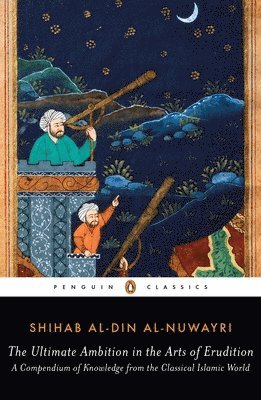
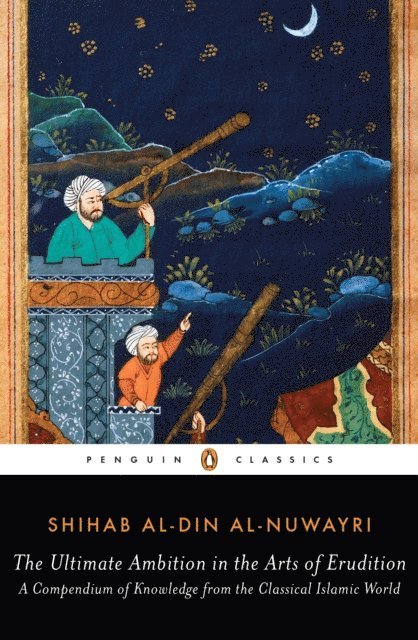
A Compendium of Knowledge from the Classical Islamic World
123 kr
Läs direkt efter köp
803 kr
Läs direkt efter köp
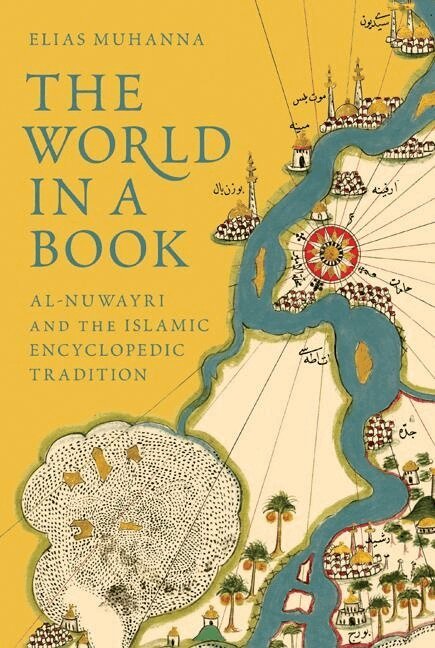
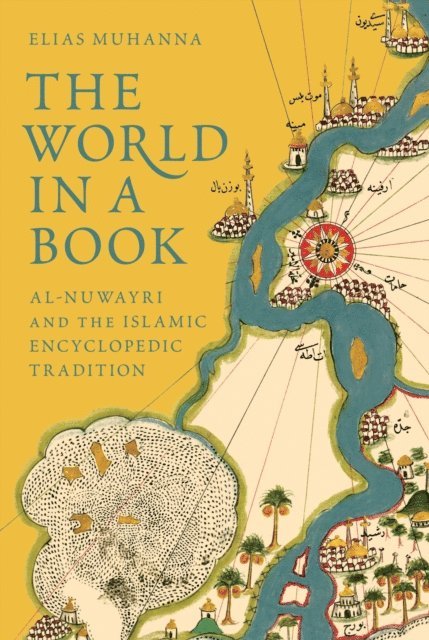
A groundbreaking study of one of the greatest encyclopedias of the medieval Islamic world—al-Nuwayri’s The Ultimate Ambition in the Arts of EruditionShihab al-Din al-Nuwayri was a fourteenth-century Egyptian polymath and the author of one of the greatest encyclopedias of the medieval Islamic world—a thirty-one-volume work entitled The Ultimate Ambition in the Arts of Erudition. A storehouse of knowledge, this enormous book brought together materials on nearly every conceivable subject, from cosmology, zoology, and botany to philosophy, poetry, ethics, statecraft, and history. Composed in Cairo during the golden age of Islamic encyclopedic activity, the Ultimate Ambition was one of hundreds of large-scale compendia, literary anthologies, dictionaries, and chronicles produced at this time—an effort that was instrumental in organizing the archive of medieval Islamic thought.In the first study of this landmark work in a European language, Elias Muhanna explores its structure and contents, sources and influences, and reception and impact in the Islamic world and Europe. He sheds new light on the rise of encyclopedic literature in the learned cities of the Mamluk Empire and situates this intellectual movement alongside other encyclopedic traditions in the ancient, medieval, Renaissance, and Enlightenment periods. He also uncovers al-Nuwayri’s world: a scene of bustling colleges, imperial chanceries, crowded libraries, and religious politics.Based on award-winning scholarship, The World in a Book opens up new areas in the comparative study of encyclopedic production and the transmission of knowledge.
1 753 kr
Skickas inom 5-8 vardagar
1 681 kr
Läs direkt efter köp
Over the past few decades, humanistic inquiry has been problematized and invigorated by the emergence of what is referred to as the digital humanities. Across multiple disciplines, from history to literature, religious studies to philosophy, archaeology to music, scholars are tapping the extraordinary power of digital technologies to preserve, curate, analyze, visualize, and reconstruct their research objects.
The study of the Middle East and the broader Islamic world has been no less impacted by this new paradigm. Scholars are making daily use of digital tools and repositories including private and state-sponsored archives of textual sources, digitized manuscript collections, densitometrical imaging, visualization and modeling software, and various forms of data mining and analysis. This collection of essays explores the state of the art in digital scholarship pertaining to Islamic & Middle Eastern studies, addressing areas such as digitization, visualization, text mining, databases, mapping, and e-publication. It is of relevance to any researcher interested in the opportunities and challenges engendered by this changing scholarly ecosystem.
1 664 kr
Läs direkt efter köp
Over the past few decades, humanistic inquiry has been problematized and invigorated by the emergence of what is referred to as the digital humanities. Across multiple disciplines, from history to literature, religious studies to philosophy, archaeology to music, scholars are tapping the extraordinary power of digital technologies to preserve, curate, analyze, visualize, and reconstruct their research objects.
The study of the Middle East and the broader Islamic world has been no less impacted by this new paradigm. Scholars are making daily use of digital tools and repositories including private and state-sponsored archives of textual sources, digitized manuscript collections, densitometrical imaging, visualization and modeling software, and various forms of data mining and analysis. This collection of essays explores the state of the art in digital scholarship pertaining to Islamic & Middle Eastern studies, addressing areas such as digitization, visualization, text mining, databases, mapping, and e-publication. It is of relevance to any researcher interested in the opportunities and challenges engendered by this changing scholarly ecosystem.
162 kr
Skickas
598 kr
Skickas inom 5-8 vardagar
687 kr
Skickas inom 3-6 vardagar
A Compendium of Knowledge from the Classical Islamic World
123 kr
Läs direkt efter köp
803 kr
Läs direkt efter köp
A groundbreaking study of one of the greatest encyclopedias of the medieval Islamic world—al-Nuwayri’s The Ultimate Ambition in the Arts of EruditionShihab al-Din al-Nuwayri was a fourteenth-century Egyptian polymath and the author of one of the greatest encyclopedias of the medieval Islamic world—a thirty-one-volume work entitled The Ultimate Ambition in the Arts of Erudition. A storehouse of knowledge, this enormous book brought together materials on nearly every conceivable subject, from cosmology, zoology, and botany to philosophy, poetry, ethics, statecraft, and history. Composed in Cairo during the golden age of Islamic encyclopedic activity, the Ultimate Ambition was one of hundreds of large-scale compendia, literary anthologies, dictionaries, and chronicles produced at this time—an effort that was instrumental in organizing the archive of medieval Islamic thought.In the first study of this landmark work in a European language, Elias Muhanna explores its structure and contents, sources and influences, and reception and impact in the Islamic world and Europe. He sheds new light on the rise of encyclopedic literature in the learned cities of the Mamluk Empire and situates this intellectual movement alongside other encyclopedic traditions in the ancient, medieval, Renaissance, and Enlightenment periods. He also uncovers al-Nuwayri’s world: a scene of bustling colleges, imperial chanceries, crowded libraries, and religious politics.Based on award-winning scholarship, The World in a Book opens up new areas in the comparative study of encyclopedic production and the transmission of knowledge.
1 753 kr
Skickas inom 5-8 vardagar
1 681 kr
Läs direkt efter köp
Over the past few decades, humanistic inquiry has been problematized and invigorated by the emergence of what is referred to as the digital humanities. Across multiple disciplines, from history to literature, religious studies to philosophy, archaeology to music, scholars are tapping the extraordinary power of digital technologies to preserve, curate, analyze, visualize, and reconstruct their research objects.
The study of the Middle East and the broader Islamic world has been no less impacted by this new paradigm. Scholars are making daily use of digital tools and repositories including private and state-sponsored archives of textual sources, digitized manuscript collections, densitometrical imaging, visualization and modeling software, and various forms of data mining and analysis. This collection of essays explores the state of the art in digital scholarship pertaining to Islamic & Middle Eastern studies, addressing areas such as digitization, visualization, text mining, databases, mapping, and e-publication. It is of relevance to any researcher interested in the opportunities and challenges engendered by this changing scholarly ecosystem.
1 664 kr
Läs direkt efter köp
Over the past few decades, humanistic inquiry has been problematized and invigorated by the emergence of what is referred to as the digital humanities. Across multiple disciplines, from history to literature, religious studies to philosophy, archaeology to music, scholars are tapping the extraordinary power of digital technologies to preserve, curate, analyze, visualize, and reconstruct their research objects.
The study of the Middle East and the broader Islamic world has been no less impacted by this new paradigm. Scholars are making daily use of digital tools and repositories including private and state-sponsored archives of textual sources, digitized manuscript collections, densitometrical imaging, visualization and modeling software, and various forms of data mining and analysis. This collection of essays explores the state of the art in digital scholarship pertaining to Islamic & Middle Eastern studies, addressing areas such as digitization, visualization, text mining, databases, mapping, and e-publication. It is of relevance to any researcher interested in the opportunities and challenges engendered by this changing scholarly ecosystem.