Erica D. Lonergan – författare
Visar alla böcker från författaren . Handla med fri frakt och snabb leverans.
6 produkter
6 produkter
Inbunden, Engelska, 2023
1 004 kr
Skickas inom 7-10 vardagar
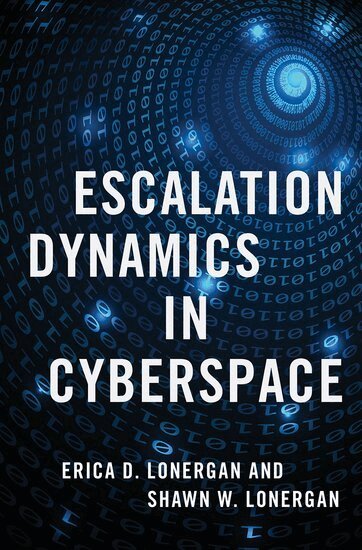
To what extent do cyberspace operations increase the risks of escalation between nation-state rivals? Scholars and practitioners have been concerned about cyber escalation for decades, but the question remains hotly debated. The issue is increasingly important for international politics as more states develop and employ offensive cyber capabilities, and as the international system is increasingly characterized by emergent multipolarity. In Escalation Dynamics in Cyberspace, Erica D. Lonergan and Shawn W. Lonergan tackle this question head-on, presenting a comprehensive theory that explains the conditions under which cyber operations may lead to escalation. In doing so, they challenge long-held assumptions about strategic interactions in cyberspace, arguing that cyberspace is not as dangerous as the conventional wisdom might suggest. In some cases, cyber operations could even facilitate the de-escalation of international crises. To support their claims, Lonergan and Lonergan test their theory against a range of in-depth case studies, including strategic interactions between the United States and key rivals; a series of case studies of the role of cyber operations in international crises; and plausible future scenarios involving cyber operations during conflict. They then apply their analytical insights to policymaking, making the case that skepticism is warranted about the overall efficacy of employing cyber power for strategic ends. By exploring the role of cyber operations in routine competition, crises, and warfighting, Escalation Dynamics in Cyberspace presents nuanced insights about how cyberspace affects international politics.
Häftad, Engelska, 2023
363 kr
Skickas
To what extent do cyberspace operations increase the risks of escalation between nation-state rivals? Scholars and practitioners have been concerned about cyber escalation for decades, but the question remains hotly debated. The issue is increasingly important for international politics as more states develop and employ offensive cyber capabilities, and as the international system is increasingly characterized by emergent multipolarity. In Escalation Dynamics in Cyberspace, Erica D. Lonergan and Shawn W. Lonergan tackle this question head-on, presenting a comprehensive theory that explains the conditions under which cyber operations may lead to escalation. In doing so, they challenge long-held assumptions about strategic interactions in cyberspace, arguing that cyberspace is not as dangerous as the conventional wisdom might suggest. In some cases, cyber operations could even facilitate the de-escalation of international crises. To support their claims, Lonergan and Lonergan test their theory against a range of in-depth case studies, including strategic interactions between the United States and key rivals; a series of case studies of the role of cyber operations in international crises; and plausible future scenarios involving cyber operations during conflict. They then apply their analytical insights to policymaking, making the case that skepticism is warranted about the overall efficacy of employing cyber power for strategic ends. By exploring the role of cyber operations in routine competition, crises, and warfighting, Escalation Dynamics in Cyberspace presents nuanced insights about how cyberspace affects international politics.
E-bok
PDF, Engelska, 2023269 kr
Läs direkt efter köp
To what extent do cyberspace operations increase the risks of escalation between nation-state rivals? Scholars and practitioners have been concerned about cyber escalation for decades, but the question remains hotly debated. The issue is increasingly important for international politics as more states develop and employ offensive cyber capabilities, and as the international system is increasingly characterized by emergent multipolarity. In Escalation Dynamics in Cyberspace, Erica D. Lonergan and Shawn W. Lonergan tackle this question head-on, presenting a comprehensive theory that explains the conditions under which cyber operations may lead to escalation. In doing so, they challenge long-held assumptions about strategic interactions in cyberspace, arguing that cyberspace is not as dangerous as the conventional wisdom might suggest. In some cases, cyber operations could even facilitate the de-escalation of international crises. To support their claims, Lonergan and Lonergan test their theory against a range of in-depth case studies, including strategic interactions between the United States and key rivals; a series of case studies of the role of cyber operations in international crises; and plausible future scenarios involving cyber operations during conflict. They then apply their analytical insights to policymaking, making the case that skepticism is warranted about the overall efficacy of employing cyber power for strategic ends. By exploring the role of cyber operations in routine competition, crises, and warfighting, Escalation Dynamics in Cyberspace presents nuanced insights about how cyberspace affects international politics.
E-bok
Engelska, 2023269 kr
Läs direkt efter köp
To what extent do cyberspace operations increase the risks of escalation between nation-state rivals? Scholars and practitioners have been concerned about cyber escalation for decades, but the question remains hotly debated. The issue is increasingly important for international politics as more states develop and employ offensive cyber capabilities, and as the international system is increasingly characterized by emergent multipolarity. In Escalation Dynamics in Cyberspace, Erica D. Lonergan and Shawn W. Lonergan tackle this question head-on, presenting a comprehensive theory that explains the conditions under which cyber operations may lead to escalation. In doing so, they challenge long-held assumptions about strategic interactions in cyberspace, arguing that cyberspace is not as dangerous as the conventional wisdom might suggest. In some cases, cyber operations could even facilitate the de-escalation of international crises. To support their claims, Lonergan and Lonergan test their theory against a range of in-depth case studies, including strategic interactions between the United States and key rivals; a series of case studies of the role of cyber operations in international crises; and plausible future scenarios involving cyber operations during conflict. They then apply their analytical insights to policymaking, making the case that skepticism is warranted about the overall efficacy of employing cyber power for strategic ends. By exploring the role of cyber operations in routine competition, crises, and warfighting, Escalation Dynamics in Cyberspace presents nuanced insights about how cyberspace affects international politics.
Inbunden, Engelska, 2027
1 233 kr
Kommande
Open Secrets explores the causes and consequences of secrecy in proxy alliances. It presents a novel theory to explain why states sometimes successfully manage proxy allies, while other times struggle to influence their behavior. The book offers a more nuanced picture than two common, but opposing, views: that proxy warfare is either a dangerous gamble for states unlikely to yield strategic benefits, or that it presents a cheap, fast, and easy way to achieve foreign policy goals. Instead, Open Secrets shows how plausible deniability is a key variable that shapes how states influence the behavior of proxy groups.The degree of secrecy in a proxy alliance is a deliberate choice. It stems from the calculations leaders make about what information to keep secret, and from whom—especially critical domestic constituencies. When those constituencies are dovish, leaders form "perfect secret" proxy alliances. Conversely, when they are more hawkish, leaders form "open secret" proxy alliances. Yet, open secrets are more dangerous for states. They create opportunities for proxy groups to exploit domestic political dynamics to their advantage, significantly complicating a state's influence over the proxy group.Open Secrets draws on a wealth of historical and primacy source material to illustrate the dynamics of secrecy in proxy alliances across a range of case studies, from U.S. Cold War proxy alliances to Indian and Syrian regional proxy relationships. It also explores patterns of proxy alliances in the contemporary environment, demonstrating how systemic changes in technology are shaping the secrets states are able to keep and the changing character of proxy alliances. This book weaves together the literature on covert action, secrecy, proxy warfare, and alliance politics to shed new light on an enduring aspect of international politics.
Häftad, Engelska, 2027
307 kr
Kommande
Open Secrets explores the causes and consequences of secrecy in proxy alliances. It presents a novel theory to explain why states sometimes successfully manage proxy allies, while other times struggle to influence their behavior. The book offers a more nuanced picture than two common, but opposing, views: that proxy warfare is either a dangerous gamble for states unlikely to yield strategic benefits, or that it presents a cheap, fast, and easy way to achieve foreign policy goals. Instead, Open Secrets shows how plausible deniability is a key variable that shapes how states influence the behavior of proxy groups.The degree of secrecy in a proxy alliance is a deliberate choice. It stems from the calculations leaders make about what information to keep secret, and from whom—especially critical domestic constituencies. When those constituencies are dovish, leaders form "perfect secret" proxy alliances. Conversely, when they are more hawkish, leaders form "open secret" proxy alliances. Yet, open secrets are more dangerous for states. They create opportunities for proxy groups to exploit domestic political dynamics to their advantage, significantly complicating a state's influence over the proxy group.Open Secrets draws on a wealth of historical and primacy source material to illustrate the dynamics of secrecy in proxy alliances across a range of case studies, from U.S. Cold War proxy alliances to Indian and Syrian regional proxy relationships. It also explores patterns of proxy alliances in the contemporary environment, demonstrating how systemic changes in technology are shaping the secrets states are able to keep and the changing character of proxy alliances. This book weaves together the literature on covert action, secrecy, proxy warfare, and alliance politics to shed new light on an enduring aspect of international politics.