Erynn Masi de Casanova – författare
Visar alla böcker från författaren Erynn Masi de Casanova. Handla med fri frakt och snabb leverans.
5 produkter
Making Up the Difference
Women, Beauty, and Direct Selling in Ecuador
Häftad, 2011
275 kr
Lägg i varukorg
Globalization and economic restructuring have decimated formal jobs in developing countries, pushing many women into informal employment such as direct selling of cosmetics, perfume, and other personal care products as a way to "make up the difference" between household income and expenses. In …
Buttoned Up
Clothing, Conformity, and White-Collar Masculinity
Inbunden, 2015
1645 kr
Lägg i varukorg
Who is today's white-collar man? The world of work has changed radically since The Man in the Gray Flannel Suit and other mid-twentieth-century investigations of corporate life and identity. Contemporary jobs are more precarious, casual Friday has become an institution, and telecommuting blurs the …
Buttoned Up
Clothing, Conformity, and White-Collar Masculinity
Häftad, 2015
346 kr
Lägg i varukorg
Who is today's white-collar man? The world of work has changed radically since The Man in the Gray Flannel Suit and other mid-twentieth-century investigations of corporate life and identity. Contemporary jobs are more precarious, casual Friday has become an institution, and telecommuting blurs the …
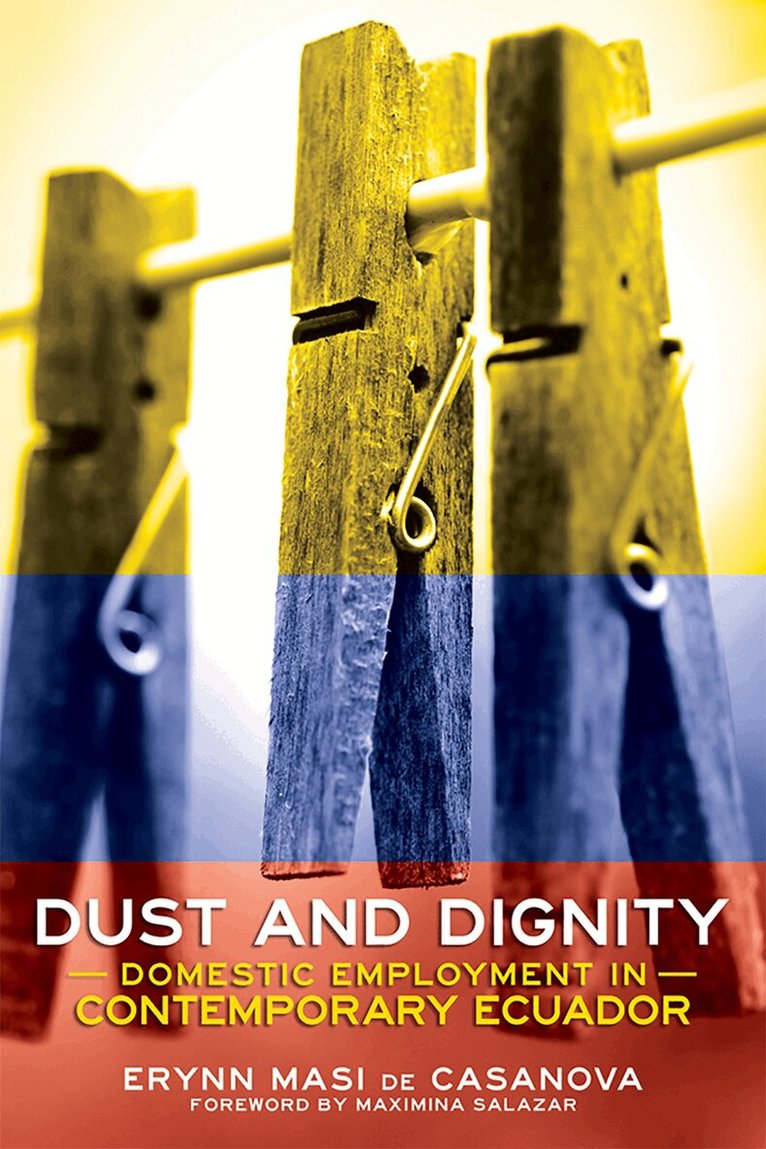
Dust and Dignity
Domestic Employment in Contemporary Ecuador
Inbunden, 2019
1070 kr
Lägg i varukorg
What makes domestic work a bad job, even after efforts to formalize and improve working conditions? Erynn Masi de Casanova's case study, based partly on collaborative research conducted with Ecuador's pioneer domestic workers' organization, examines three reasons for persistent exploitation. First, …
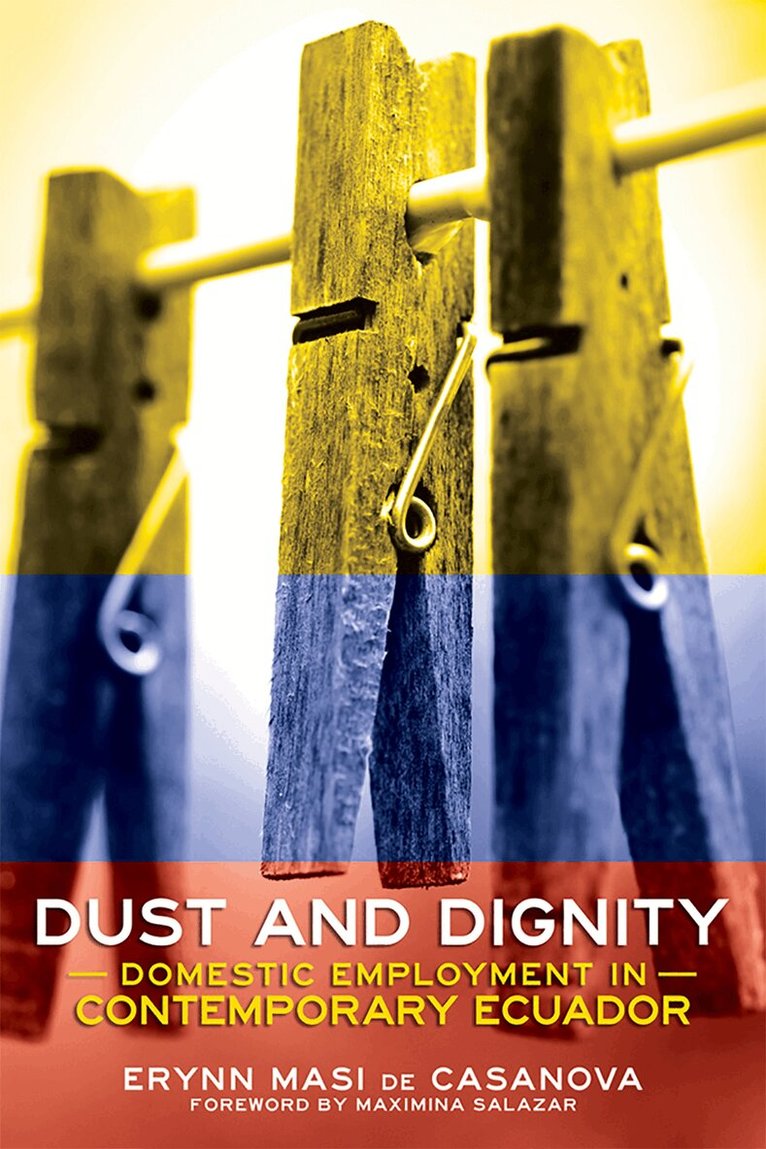
Dust and Dignity
Domestic Employment in Contemporary Ecuador
Häftad, 2019
388 kr
Lägg i varukorg
What makes domestic work a bad job, even after efforts to formalize and improve working conditions? Erynn Masi de Casanova's case study, based partly on collaborative research conducted with Ecuador's pioneer domestic workers' organization, examines three reasons for persistent exploitation. First, …