Faegheh Shirazi - Böcker
Visar alla böcker från författaren Faegheh Shirazi. Handla med fri frakt och snabb leverans.
9 produkter
9 produkter
656 kr
Skickas inom 7-10 vardagar
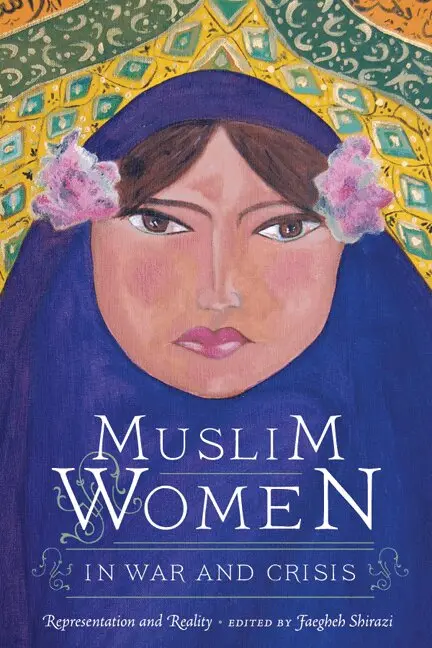
Representing diverse cultural viewpoints, Muslim Women in War and Crisis collects an array of original essays that highlight the experiences and perspectives of Muslim women-their dreams and nightmares and their daily struggles-in times of tremendous social upheaval. Analyzing both how Muslim women have been represented and how they represent themselves, the authors draw on primary sources ranging from poetry and diaries to news reports and visual media. Topics include: Peacebrokers in Indonesia Exploitation in the Islamic Republic of Iran Chechen women rebels Fundamentalism in Afghanistan, from refugee camps to Kabul Memoirs of Bengali Muslim women The 7/7 London bombings, British Muslim women, and the media Also exploring such images in the United States, Spain, the former Yugoslavia, Tunisia, Algeria, Lebanon, and Iraq, this collection offers a chorus of multidimensional voices that counter Islamophobia and destructive clichÉs. Encompassing the symbolic national and religious identities of Muslim women, this study goes beyond those facets to examine the realities of day-to-day existence in societies that seek scapegoats and do little to defend the victims of hate crimes. Enhancing their scholarly perspectives, many of the contributors (including the editor) have lived through the strife they analyze. This project taps into their firsthand experiences of war and deadly political oppression.
322 kr
Skickas inom 10-15 vardagar
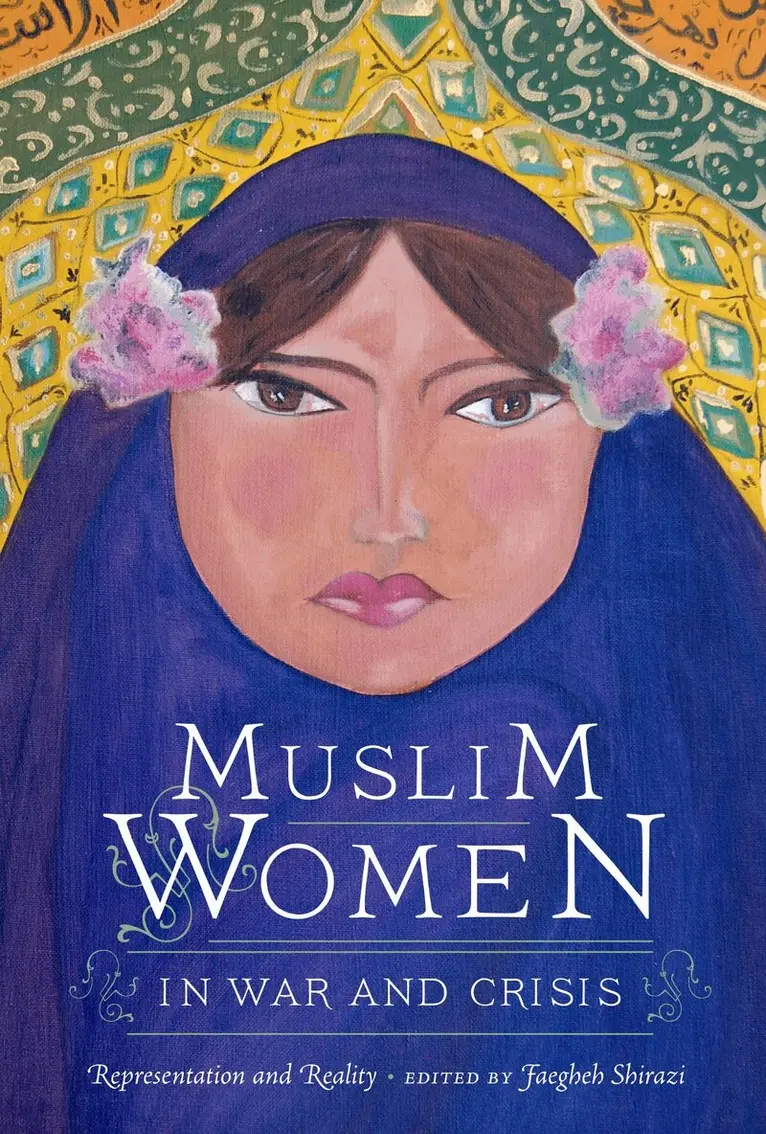
Representing diverse cultural viewpoints, Muslim Women in War and Crisis collects an array of original essays that highlight the experiences and perspectives of Muslim women-their dreams and nightmares and their daily struggles-in times of tremendous social upheaval. Analyzing both how Muslim women have been represented and how they represent themselves, the authors draw on primary sources ranging from poetry and diaries to news reports and visual media. Topics include: Peacebrokers in Indonesia Exploitation in the Islamic Republic of Iran Chechen women rebels Fundamentalism in Afghanistan, from refugee camps to Kabul Memoirs of Bengali Muslim women The 7/7 London bombings, British Muslim women, and the media Also exploring such images in the United States, Spain, the former Yugoslavia, Tunisia, Algeria, Lebanon, and Iraq, this collection offers a chorus of multidimensional voices that counter Islamophobia and destructive clichÉs. Encompassing the symbolic national and religious identities of Muslim women, this study goes beyond those facets to examine the realities of day-to-day existence in societies that seek scapegoats and do little to defend the victims of hate crimes. Enhancing their scholarly perspectives, many of the contributors (including the editor) have lived through the strife they analyze. This project taps into their firsthand experiences of war and deadly political oppression.
260 kr
Skickas inom 10-15 vardagar
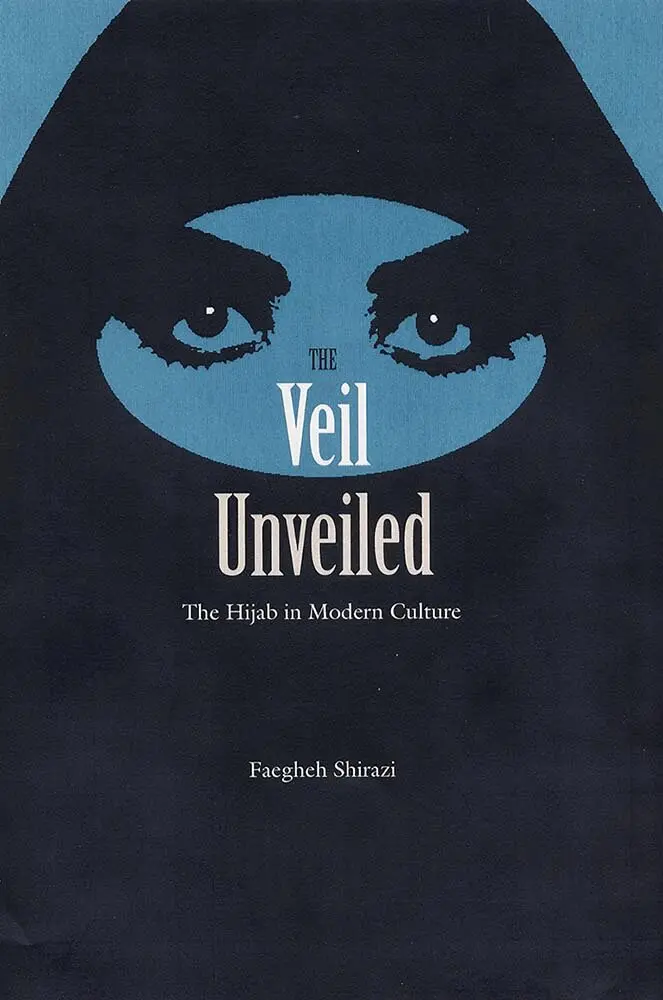
Illustrated with photographs, drawings, and cartoons gathered from popular culture, this provocative book demonstrates that the veil, the garment known in Islamic cultures as the hijab, holds within its folds a semantic versatility that goes far beyond current clichés and homogenous representations.Whether seen as erotic or romantic, a symbol of oppression or a sign of piety, modesty, or purity, the veil carries thousands of years of religious, sexual, social, and political significance. Using examples from both the East and West—including Persian poetry, American erotica, Iranian and Indian films, and government-sanctioned posters—Faegheh Shirazi shows that the veil has become a ubiquitous symbol, utilized as a profitable marketing tool for diverse enterprises, from Penthouse magazine to Saudi advertising companies.She argues that perceptions of the veil change with the cultural context of its use as well as over time: in a Hindi movie the veil draws in the male gaze, in an Iranian movie it denies it; photographs of veiled women in Playboy aim to titillate a principally male audience, while cartoons of veiled women in the same magazine mock and ridicule Muslim society.Shirazi concludes that the practice of veiling, encompassing an amazingly rich array of meanings, has often become a screen upon which different people in different cultures project their dreams and nightmares.
313 kr
Skickas inom 10-15 vardagar
476 kr
Skickas inom 3-6 vardagar
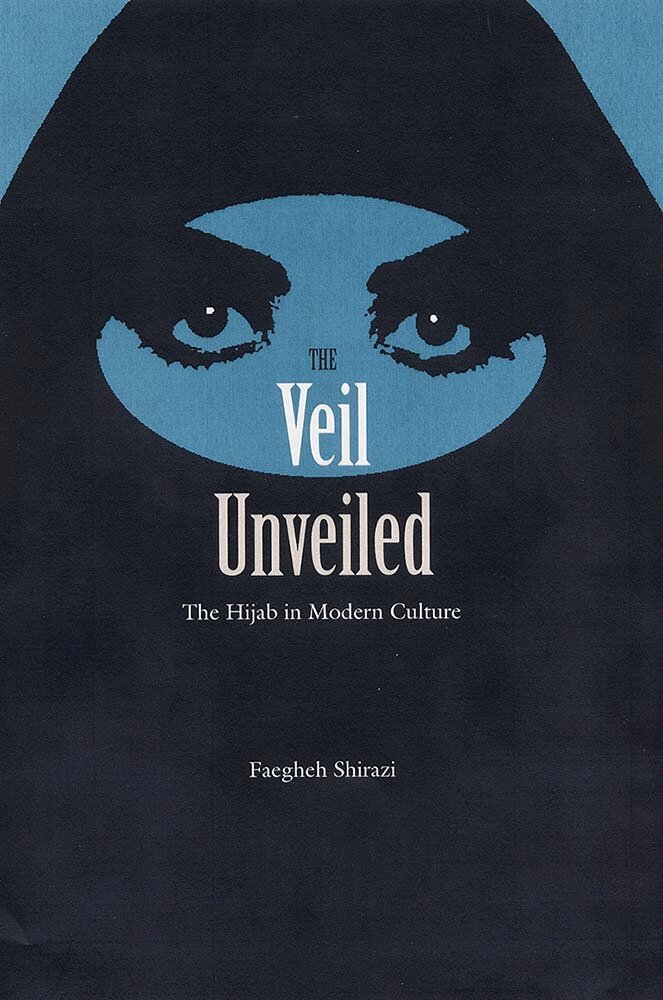
Illustrated with photographs, drawings, and cartoons gathered from popular culture, this provocative book demonstrates that the veil, the garment known in Islamic cultures as the hijab, holds within its folds a semantic versatility that goes far beyond current clichés and homogenous representations.Whether seen as erotic or romantic, a symbol of oppression or a sign of piety, modesty, or purity, the veil carries thousands of years of religious, sexual, social, and political significance. Using examples from both the East and West—including Persian poetry, American erotica, Iranian and Indian films, and government-sanctioned posters—Faegheh Shirazi shows that the veil has become a ubiquitous symbol, utilized as a profitable marketing tool for diverse enterprises, from Penthouse magazine to Saudi advertising companies.She argues that perceptions of the veil change with the cultural context of its use as well as over time: in a Hindi movie the veil draws in the male gaze, in an Iranian movie it denies it; photographs of veiled women in Playboy aim to titillate a principally male audience, while cartoons of veiled women in the same magazine mock and ridicule Muslim society. Shirazi concludes that the practice of veiling, encompassing an amazingly rich array of meanings, has often become a screen upon which different people in different cultures project their dreams and nightmares.
1 188 kr
Skickas inom 7-10 vardagar
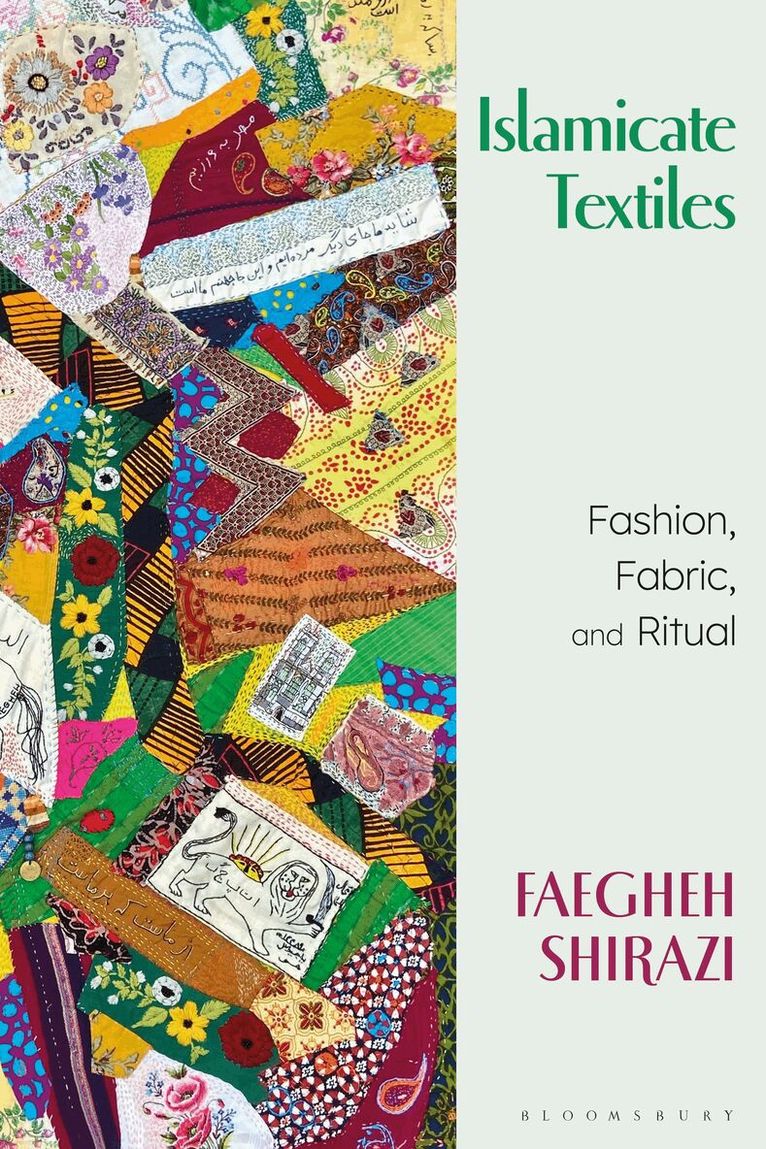
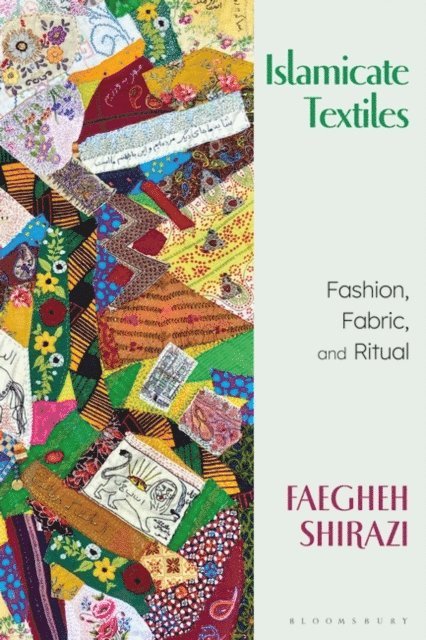
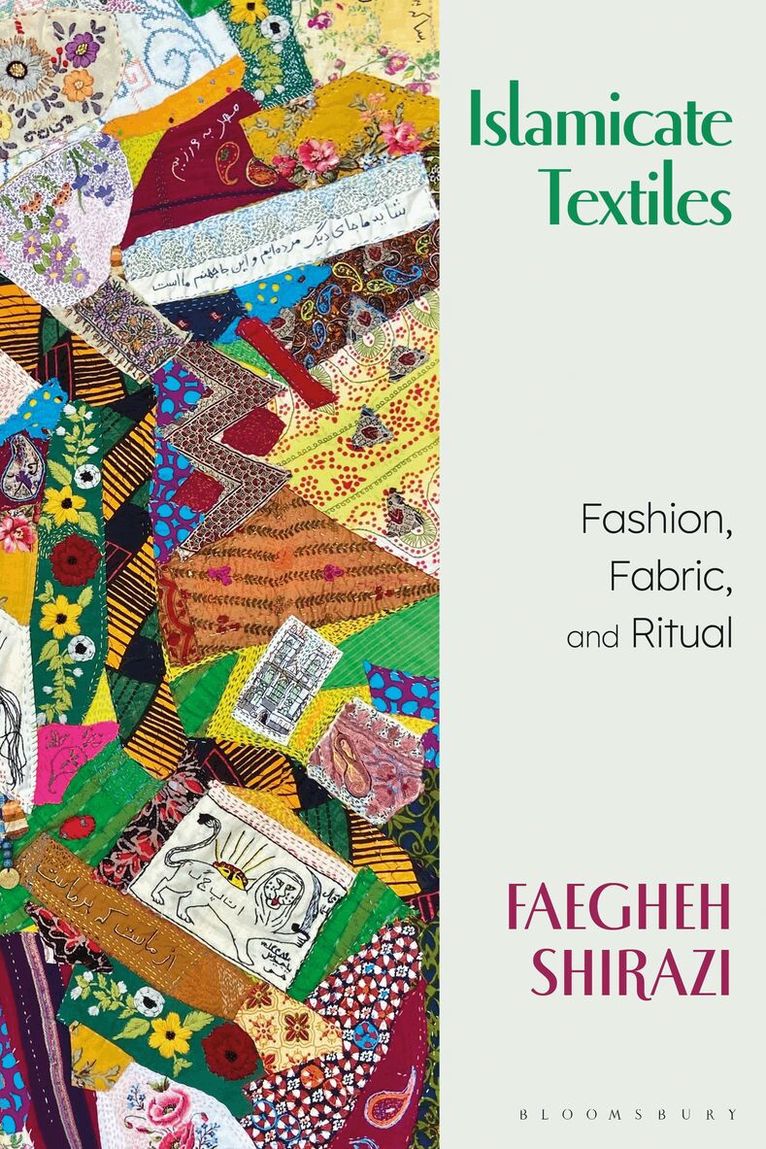
Textiles and clothing are interwoven with Islamic culture. In Islamicate Textiles, readers are taken on a journey from Central Asia to Tanzania to uncover the central roles that textiles play within Muslim-majority communities.This thematically arranged book sheds light on the traditions, rituals and religious practices of these regions, and the ways in which each one incorporates materials and clothing. Drawing on examples including Iranian lion carpets and Arabic keffiyeh, Faegheh Shirazi frames these textiles and totemic items as important cultural signifiers that, together, form a dynamic and fascinating material culture. Like a developing language, this culture expands, bends and develops to suit the needs of new generations and groups across the world.The political significance of Islamicate textiles is also explored: Faegheh Shirazi’s writing reveals the fraught relationship between the East – with its sought-after materials and much-valued textiles – and the European countries that purchased and repurposed these goods, and lays bare the historical and contemporary connections between textiles, colonialism, immigration and economics. Dr Shirazi also discusses gender and how textiles and clothing are intimately linked with sexuality and gender identity.
269 kr
Skickas inom 7-10 vardagar
Textiles and clothing are interwoven with Islamic culture. In Islamicate Textiles, readers are taken on a journey from Central Asia to Tanzania to uncover the central roles that textiles play within Muslim-majority communities.This thematically arranged book sheds light on the traditions, rituals and religious practices of these regions, and the ways in which each one incorporates materials and clothing. Drawing on examples including Iranian lion carpets and Arabic keffiyeh, Faegheh Shirazi frames these textiles and totemic items as important cultural signifiers that, together, form a dynamic and fascinating material culture. Like a developing language, this culture expands, bends and develops to suit the needs of new generations and groups across the world.The political significance of Islamicate textiles is also explored: Faegheh Shirazi’s writing reveals the fraught relationship between the East – with its sought-after materials and much-valued textiles – and the European countries that purchased and repurposed these goods, and lays bare the historical and contemporary connections between textiles, colonialism, immigration and economics. Dr Shirazi also discusses gender and how textiles and clothing are intimately linked with sexuality and gender identity.
806 kr
Skickas inom 10-15 vardagar
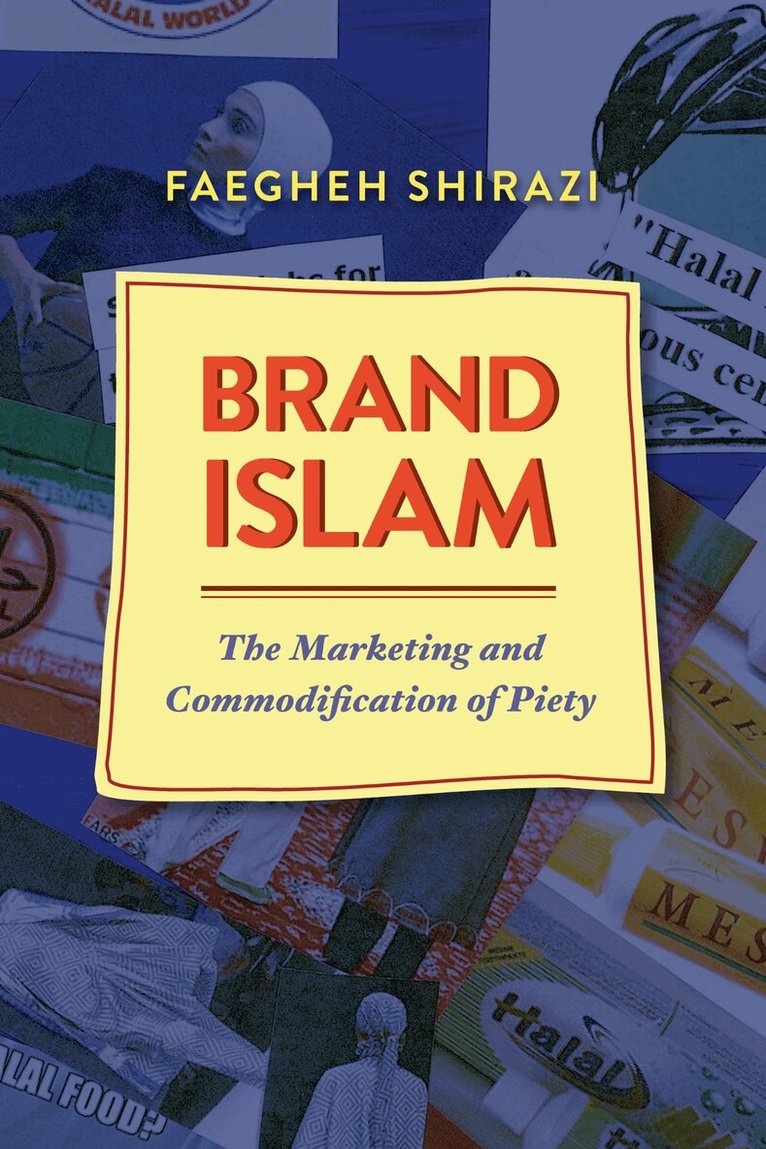
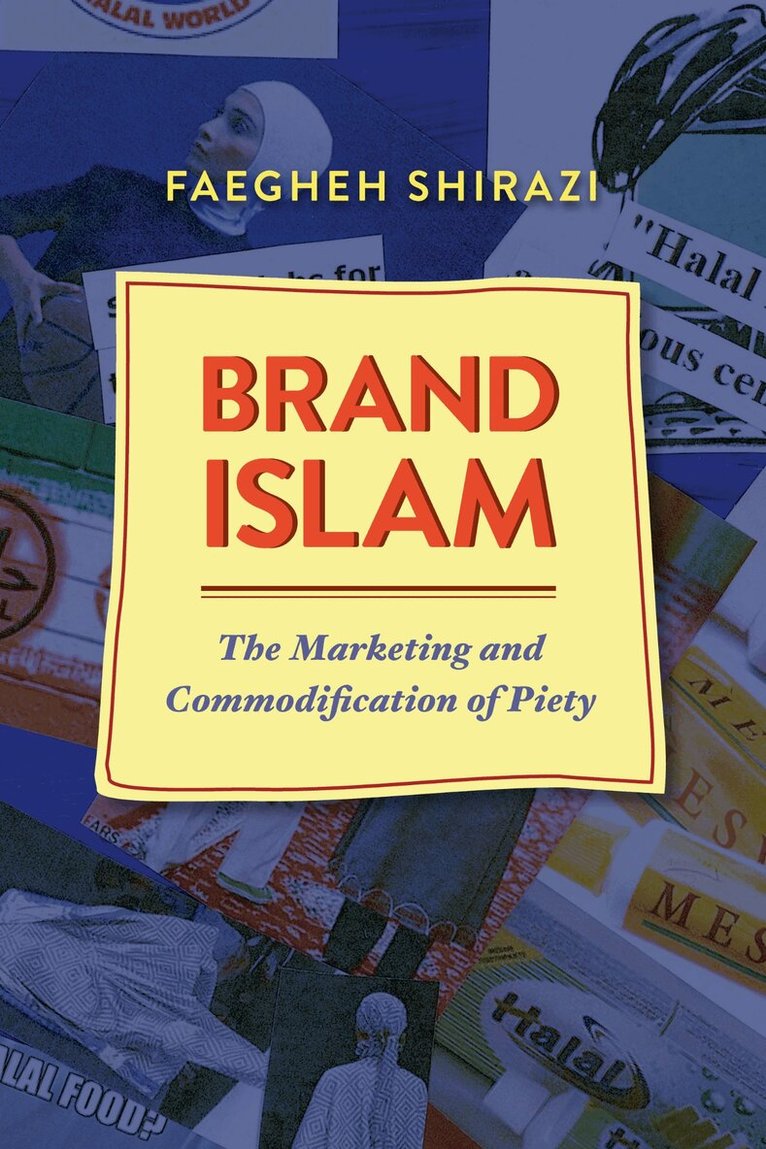
From food products to fashions and cosmetics to children’s toys, a wide range of commodities today are being marketed as “halal” (permitted, lawful) or “Islamic” to Muslim consumers both in the West and in Muslim-majority nations. However, many of these products are not authentically Islamic or halal, and their producers have not necessarily created them to honor religious practice or sentiment. Instead, most “halal” commodities are profit-driven, and they exploit the rise of a new Islamic economic paradigm, “Brand Islam,” as a clever marketing tool.Brand Islam investigates the rise of this highly lucrative marketing strategy and the resulting growth in consumer loyalty to goods and services identified as Islamic. Faegheh Shirazi explores the reasons why consumers buy Islam-branded products, including conspicuous piety or a longing to identify with a larger Muslim community, especially for those Muslims who live in Western countries, and how this phenomenon is affecting the religious, cultural, and economic lives of Muslim consumers. She demonstrates that Brand Islam has actually enabled a new type of global networking, joining product and service sectors together in a huge conglomerate that some are referring to as the Interland. A timely and original contribution to Muslim cultural studies, Brand Islam reveals how and why the growth of consumerism, global communications, and the Westernization of many Islamic countries are all driving the commercialization of Islam.
260 kr
Skickas inom 10-15 vardagar
From food products to fashions and cosmetics to children’s toys, a wide range of commodities today are being marketed as “halal” (permitted, lawful) or “Islamic” to Muslim consumers both in the West and in Muslim-majority nations. However, many of these products are not authentically Islamic or halal, and their producers have not necessarily created them to honor religious practice or sentiment. Instead, most “halal” commodities are profit-driven, and they exploit the rise of a new Islamic economic paradigm, “Brand Islam,” as a clever marketing tool.Brand Islam investigates the rise of this highly lucrative marketing strategy and the resulting growth in consumer loyalty to goods and services identified as Islamic. Faegheh Shirazi explores the reasons why consumers buy Islam-branded products, including conspicuous piety or a longing to identify with a larger Muslim community, especially for those Muslims who live in Western countries, and how this phenomenon is affecting the religious, cultural, and economic lives of Muslim consumers. She demonstrates that Brand Islam has actually enabled a new type of global networking, joining product and service sectors together in a huge conglomerate that some are referring to as the Interland. A timely and original contribution to Muslim cultural studies, Brand Islam reveals how and why the growth of consumerism, global communications, and the Westernization of many Islamic countries are all driving the commercialization of Islam.