Fiona Leverick - Böcker
Visar alla böcker från författaren Fiona Leverick. Handla med fri frakt och snabb leverans.
3 produkter
3 produkter
1 280 kr
Skickas inom 5-8 vardagar
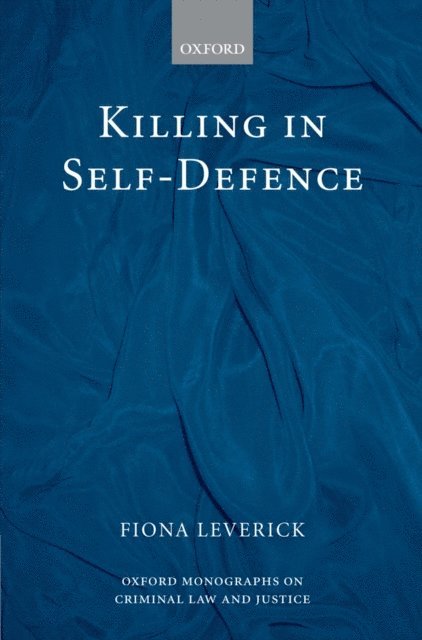
This book is a comprehensive analysis of the criminal defence of self-defence from a philosophical, legal and human rights perspective. The primary focus is on self-defence as a defence to homicide, as this is the most difficult type of self-defensive force to justify. Although not always recognised as such, self-defence is a contentious defence, permitting as it does the victim of an attack to preserve her life at the expense of another. If one holds that all human life is of equal value, explaining why this is permissible poses something of a challenge. It is particularly difficult to explain where the aggressor is, for reasons of non-age or insanity for example, not responsible for her actions. The first part of the book is devoted to identifying the proper theoretical basis of a claim of self-defence. It examines the classification of defences, and the concepts of justification and excuse in particular, and locates self-defence within this classification. It considers the relationship between self-defence and the closely related defences of duress and necessity. It then proceeds critically to analyse various philosophical explanations of why self-defensive killing is justified, before concluding that the most convincing account is one that draws on the right to life with an accompanying theory of forfeiture.The book then proceeds to draw upon this analysis to examine various aspects of the law of self-defence. There is detailed analysis of the way in which, on a human rights approach, it is appropriate to treat the issues of retreat, imminence of harm, self-generated self-defence, mistake and proportionality, with a particular focus on whether lethal force is ever permissible in protecting property or in preventing rape. The analysis draws on material from all of the major common law jurisdictions.The book concludes with an examination of the implications that the European Convention on Human Rights might have for the law of self-defence, especially in the areas of mistaken belief and the degree of force permissible to protect property.
1 927 kr
Skickas inom 3-6 vardagar
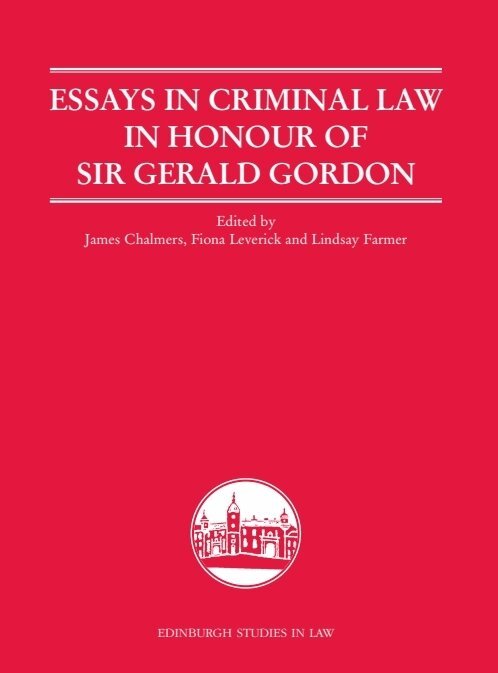
In modern times few, if any, individuals can have been as important to a single country's criminal law as Sir Gerald has been to the criminal law of Scotland. His monumental work The Criminal Law of Scotland (1967) is the foundation of modern Scottish criminal law and is recognised internationally as a major contribution to academic work on the subject. Elsewhere, he has made significant contributions as an academic, judge and as a member of the Scottish Criminal Cases Review Commission. Reflecting the academic rigour and practical application of Sir Gerald's work, this volume includes essays on criminal law theory, substantive law and evidence and procedure by practitioners and academics within and outwith Scotland, including contributions from England, Ireland and the USA.
274 kr
Kommande
In modern times few, if any, individuals can have been as important to a single country's criminal law as Sir Gerald has been to the criminal law of Scotland. His monumental work The Criminal Law of Scotland (1967) is the foundation of modern Scottish criminal law and is recognised internationally as a major contribution to academic work on the subject. Elsewhere, he has made significant contributions as an academic, judge and as a member of the Scottish Criminal Cases Review Commission. Reflecting the academic rigour and practical application of Sir Gerald's work, this volume includes essays on criminal law theory, substantive law and evidence and procedure by practitioners and academics within and outwith Scotland, including contributions from England, Ireland and the USA.