Francisco Mora – författare
Visar alla böcker från författaren Francisco Mora. Handla med fri frakt och snabb leverans.
22 produkter
Art, Aesthetics, and the Brain
Av Camilo Jose Cela Conde, Luigi F. Agnati m. fl.
E-bok, 2015
831 kr
Lägg i varukorg
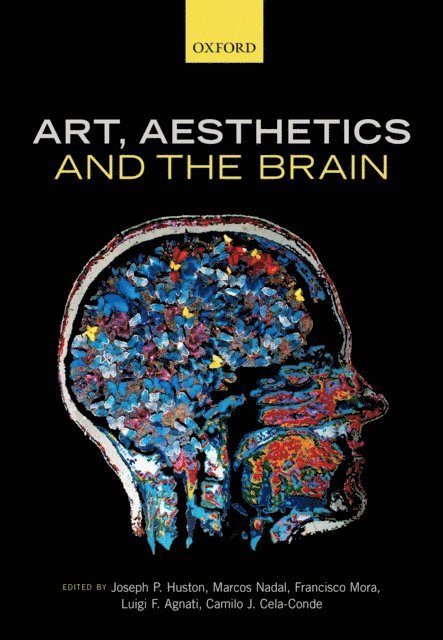
Humans have engaged in artistic and aesthetic activities since the appearance of our species. Our ancestors have decorated their bodies, tools, and utensils for over 100,000 years. The expression of meaning using color, line, sound, rhythm, or movement, among other means, constitutes a fundamental …
Art, Aesthetics, and the Brain
Av Camilo Jose Cela Conde, Luigi F. Agnati m. fl.
E-bok, 2015
831 kr
Lägg i varukorg
Humans have engaged in artistic and aesthetic activities since the appearance of our species. Our ancestors have decorated their bodies, tools, and utensils for over 100,000 years. The expression of meaning using color, line, sound, rhythm, or movement, among other means, constitutes a fundamental …
Art, Aesthetics, and the Brain
Av Joseph P. Huston, Marcos Nadal m. fl.
Häftad, 2018
886 kr
Lägg i varukorg
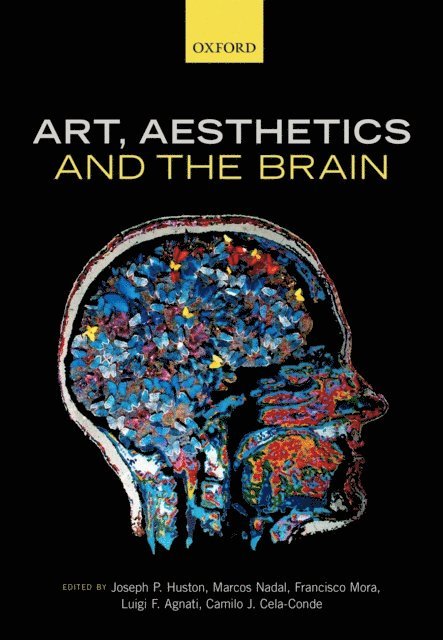
Humans have engaged in artistic and aesthetic activities since the appearance of our species. Our ancestors have decorated their bodies, tools, and utensils for over 100,000 years. The expression of meaning using color, line, sound, rhythm, or movement, among other means, constitutes a fundamental …
Art, Aesthetics, and the Brain
Av Joseph P. Huston, Joseph P. Huston m. fl.
Inbunden, 2015
1825 kr
Lägg i varukorg
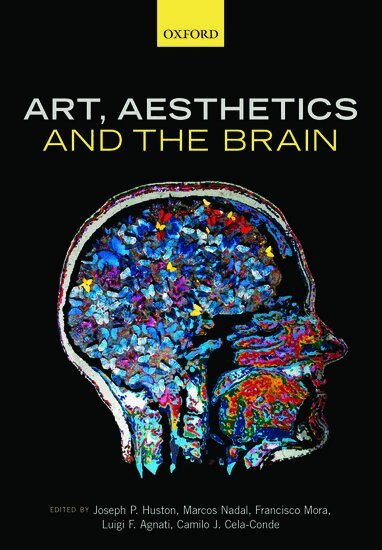
Humans have engaged in artistic and aesthetic activities since the appearance of our species. Our ancestors have decorated their bodies, tools, and utensils for over 100,000 years. The expression of meaning using color, line, sound, rhythm, or movement, among other means, constitutes a fundamental …
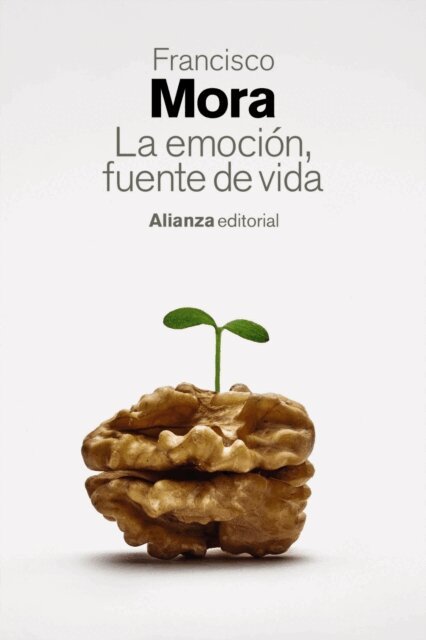
La emoción, fuente de vida
E-bok, 2023
102 kr
Lägg i varukorg
En La emoción, fuente de vida, Francisco Mora, aclamado autor de Neuroeducación, nos invita a reflexionar sobre un asunto de especial relevancia en las sociedades occidentales actuales, en las que las personas cada vez viven más tiempo sin saber, en ocasiones, para qué: el envejecimiento. Un asunto …
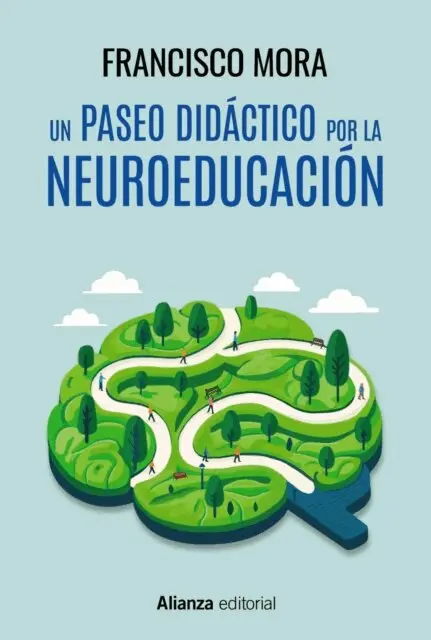
Un paseo didactico por la neuroeducacion
E-bok, 2024
128 kr
Lägg i varukorg
Como su titulo sugiere, este libro propone un paseo, descansado y reparador, como solo pueden serlo los buenos paseos, por los conceptos e ideas clave del fertil territorio que nos abre la neuroeducacion: ha sido escrito con el afan de exponer, de una forma completa y accesible, ese nuevo mundo de …
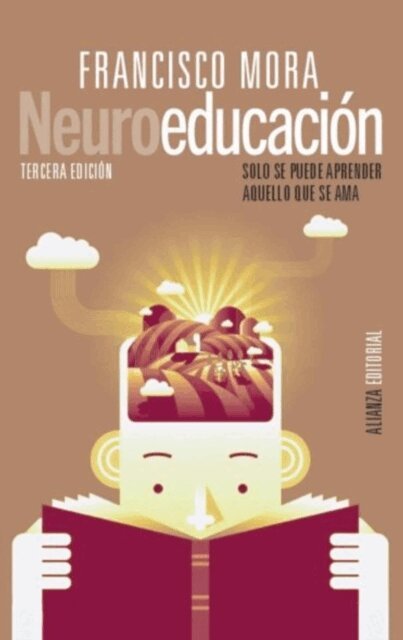
Neuroeducación
Solo se puede aprender aquello que se ama
E-bok, 2021
119 kr
Lägg i varukorg
¿Qué es la NEUROEDUCACIÓN? ¿Se puede hablar de NEUROEDUCADORES, una nueva profesión?Desde la primera edición de " Neuroeducación " , hace ya cuatro años, se ha incrementado enormemente el interés por una nueva enseñanza y educación basadas en cómo funciona el cerebro.Es un hecho incontrovertible …
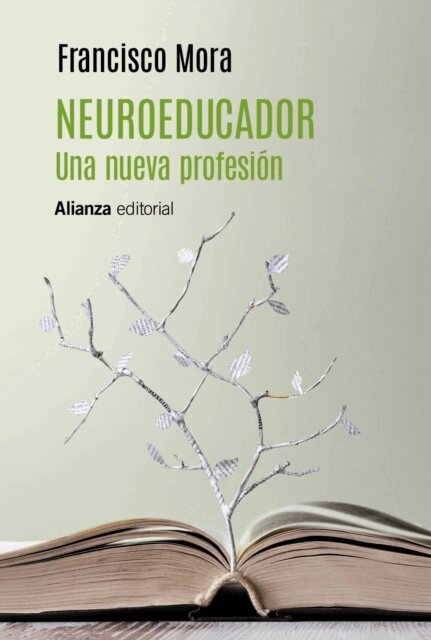
Neuroeducador. Una nueva profesión
E-bok, 2022
115 kr
Lägg i varukorg
Este libro propone la existencia de una nueva profesión, la de «neuroeducador», en el contexto general de ese gran capítulo que es la educación. Se trata una propuesta inspirada, en su esencia, en la cada vez más estrecha convergencia entre la ciencia y las humanidades, y tiene su fundamento básico …
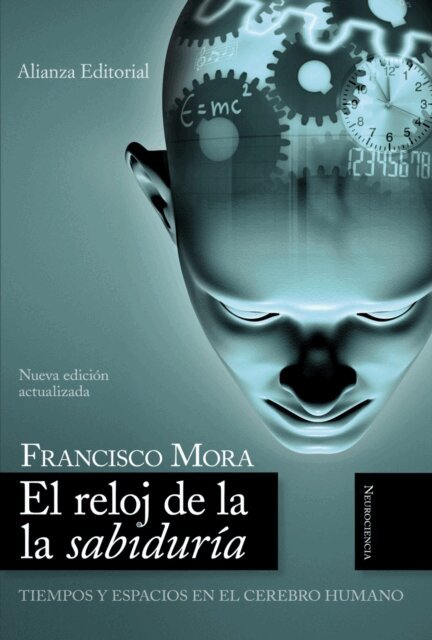
El reloj de la sabiduría
Tiempos y espacios en el cerebro humano
E-bok, 2014
115 kr
Lägg i varukorg
¿Cuál fue el origen evolutivo del cerebro? ¿Qué son las ventanas plásticas del cerebro? ¿Sigue siendo la emoción un ingrediente básico del funcionamiento del cerebro para mantener la supervivencia del hombre actual? ¿Es necesaria una revolución en los estudios de la Neurociencia para desentrañar …
¿Enferman las mariposas del alma?
Cerebro, locura y diversidad humana
E-bok, 2014
118 kr
Lägg i varukorg
¿Se puede definir una personalidad normal? ¿Qué diferencia hay entre los sueños "locos" que sufrimos cada noche y la locura "real" que sufren algunos seres humanos? ¿Cada vez que soñamos, sufrimos un trastorno mental reversible? ¿Cómo se apaga el cerebro de un enfermo de Alzheimer? ¿Qué ocurre en …
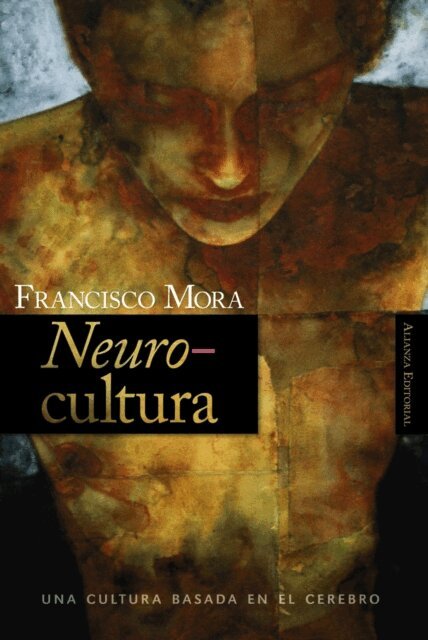
Neurocultura
Una cultura basada en el cerebro
E-bok, 2014
128 kr
Lägg i varukorg
¿Están los científicos creando un mundo ambicioso que impondrá una revolución lenta, silenciosa, destructiva y subversiva de los «valores humanos» hasta ahora anclados en la tradición? ¿Se avecina una nueva forma de pensar y entender la conducta humana? ¿Qué códigos posee el cerebro que modelan la …
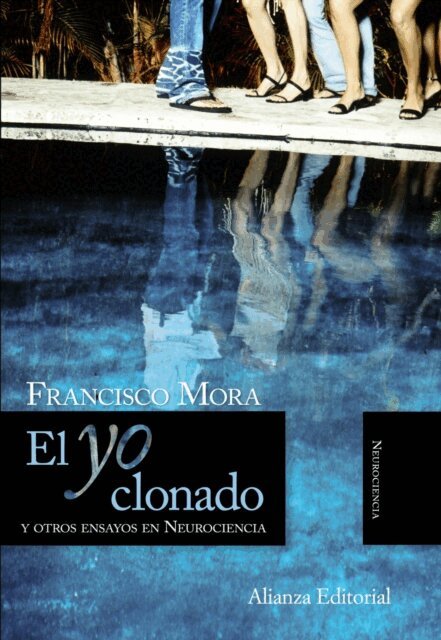
El Yo clonado
y otros ensayos en Neurociencia
E-bok, 2014
124 kr
Lägg i varukorg
¿Tiene el delfín un cerebro de diseño similar al del ser humano? ¿Es consciente el chimpancé de su propia existencia? ¿Por qué tienen tanto signifi cado las caras de los demás? ¿Es soñar un residuo evolutivo inútil? ¿Cómo sé yo que mi brazo es mío y no de otra persona? ¿Qué es el yo? ¿Cómo es que …
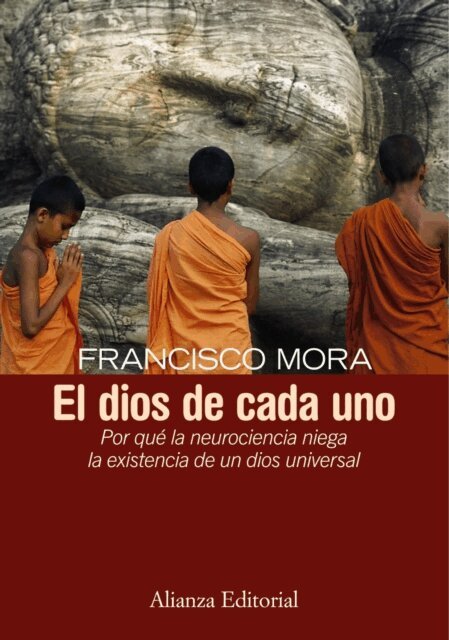
El dios de cada uno
Por qué la neurociencia niega la existencia de un dios universal
E-bok, 2014
115 kr
Lägg i varukorg
La idea del Dios único y universal es muy joven. Nació a la vez que la escritura, hace apenas unos 5.000 años. ¿Por qué si el cerebro humano actual tiene una conformación anatómica idéntica a la del hombre de hace unos 15.000 años se tardó tanto en alumbrar la idea de Dios? ¿Se debe esta idea a …
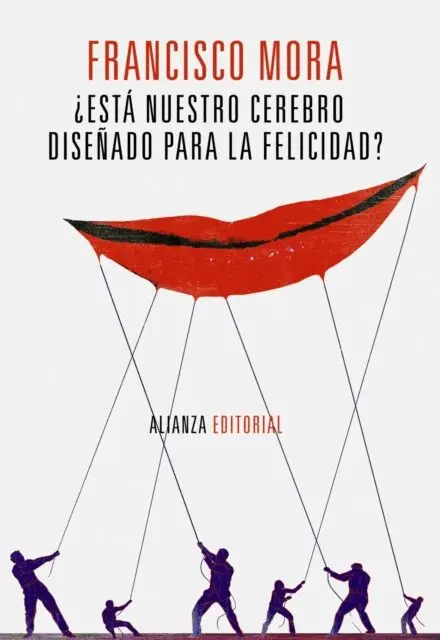
¿Está nuestro cerebro diseñado para la felicidad?
E-bok, 2014
125 kr
Lägg i varukorg
Todo el mundo aspira a alcanzar la felicidad verdadera, permanente, pero nadie lo ha conseguido. La felicidad es como un teorema universal, sin resolver, que sólo las religiones y la filosofía, y más recientemente la Psicología y hasta la misma Sociología y Economía, han intentando abordar. Ahora …
¿Se puede retrasar el envejecimiento del cerebro?
12 claves
E-bok, 2014
89 kr
Lägg i varukorg
¿Quiere usted saber cuántos años va a vivir? ¿Cómo retrasar el envejecimiento del cerebro? ¿Si los juegos electrónicos diseñados para el ejercicio mental de las personas mayores son efectivos? ¿Qué hábitos adoptar para mejorar su memoria? ¿Qué estilo de vida nos protege frente a la demencia senil? …
Cómo funciona el cerebro
E-bok, 2014
83 kr
Lägg i varukorg
¿Existe el mundo que percibimos o lo crea nuestro cerebro? ¿Qué es conciencia? ¿De qué color emocional son nuestras percepciones? ¿Qué es creatividad? ¿Por qué perdemos unas memorias y guardamos otras? ¿Qué es locura? ¿Sueñan los cocodrilos? ¿Es diferente el placer de una buena comida de aquel que …
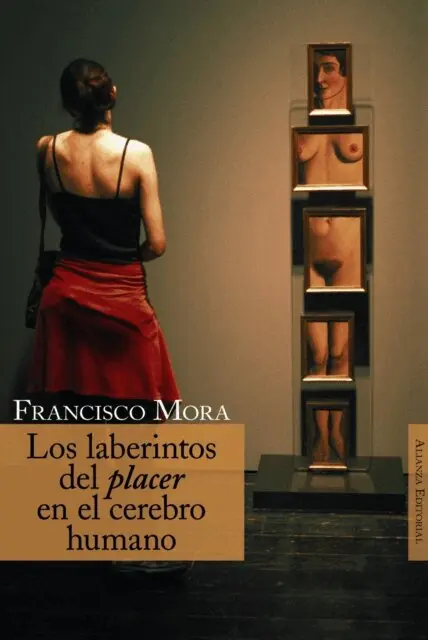
Los laberintos del placer en el cerebro humano
E-bok, 2014
124 kr
Lägg i varukorg
¿Cuál fue el origen del placer? ¿Dónde están depositados en el cerebro los mecanismos que ponen en marcha conductas tan placenteras como comer, beber, la actividad sexual, dormir o jugar? ¿Existe el placer puro, inútil, sin un fin mas que en si mismo? ¿Por qué se emborrachan los elefantes en la …
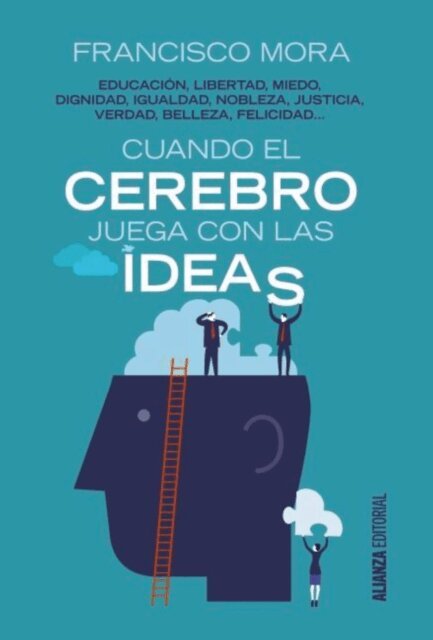
Cuando el cerebro juega con las ideas
8 ensayos sobre neurocultura
E-bok, 2016
115 kr
Lägg i varukorg
Una aproximacion desde la Neurociencia Cognitiva a los valores y las normas, y con ello a conceptos como libertad, dignidad, igualdad, justicia, verdad, belleza, felicidad, culpa, castigo. Son temas universales, anclados en el corazon del pensamiento humano y sobre los que se han acumulado montanas …
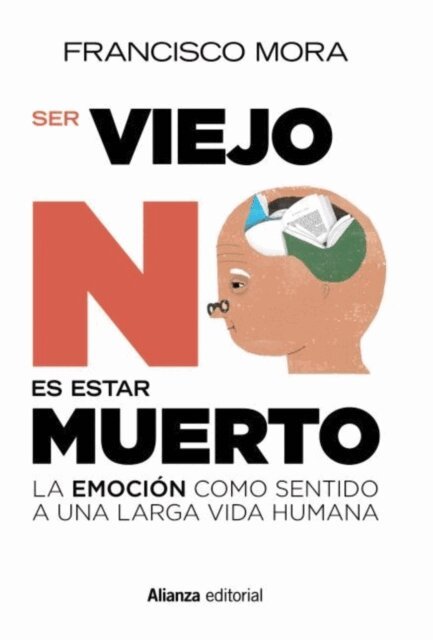
Ser viejo no es estar muerto
La emoción como sentido a una larga vida
E-bok, 2017
126 kr
Lägg i varukorg
"Ser viejo no es estar muerto" no es sólo un libro; es también una llamada de atención. Francisco Mora, profesor en la Facultad de Medicina de la Universidad Complutense de Madrid y doctor en Neurociencia por la Universidad de Oxford, nos invita a reflexionar sobre el envejecimiento, asunto de …
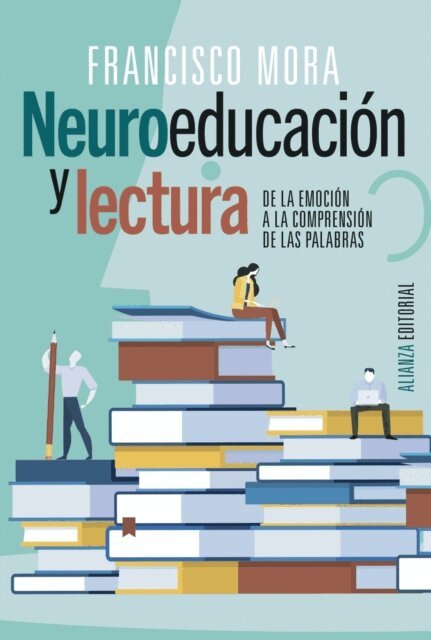
Neuroeducación y lectura
E-bok, 2020
124 kr
Lägg i varukorg
Este libro trata de esos vericuetos del cerebro por donde corretean las letras, y de cómo con ellas se enciende una nueva luz para uno mismo y el universo que contempla. Y del largo camino que entrelaza lenguaje y lectura. Y también, sobre todo, de cómo se aprende a leer. Pues la lectura transforma …
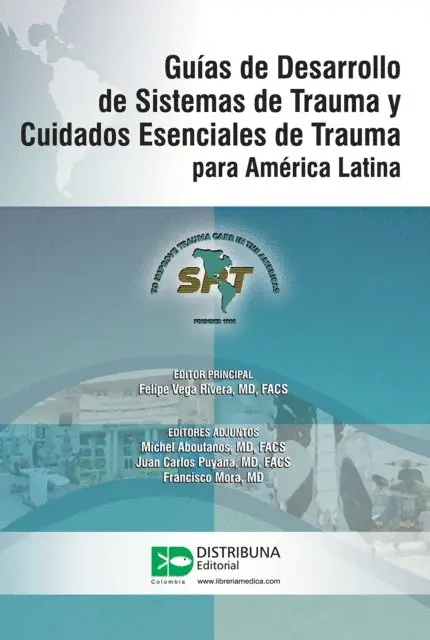
Guías de Desarrollo de Sistemas de Trauma y Cuidados Esenciales de Trauma para América Latina
Av Francisco Mora, Juan Carlos Puyana m. fl.
E-bok, 2017
180 kr
Lägg i varukorg
El trauma, entendido como una enfermedad que es producto de la accidentalidad y la violencia, genera una de las mayores cargas de enfermedad a la población económicamente más activa (entre los 12 y 60 años de edad).
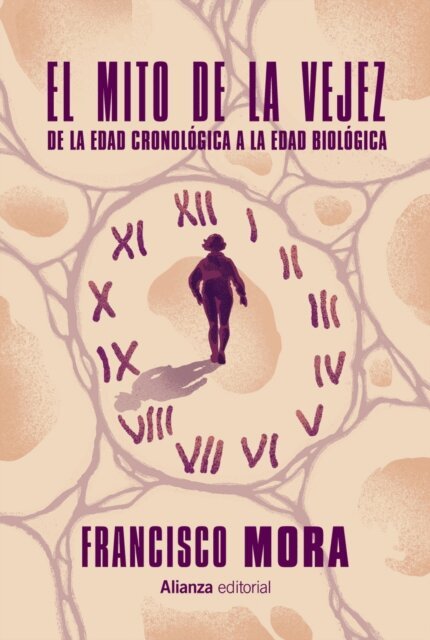
El mito de la vejez
De la edad cronológica a la edad biológica
E-bok, 2026
161 kr
Lägg i varukorg
En "El mito de la vejez", Francisco Mora desmonta los extendidos prejuicios sobre el envejecimiento y nos invita a descubrir el verdadero potencial de la madurez. Con rigor científico y un enfoque profundamente humano, Mora revela que nuestra edad no está dictada solo por el calendario, sino sobre …