G. E. Krovitz – författare
Visar alla böcker från författaren G. E. Krovitz. Handla med fri frakt och snabb leverans.
2 produkter
2 produkter
Del 37 - Cambridge Studies in Biological and Evolutionary Anthropology
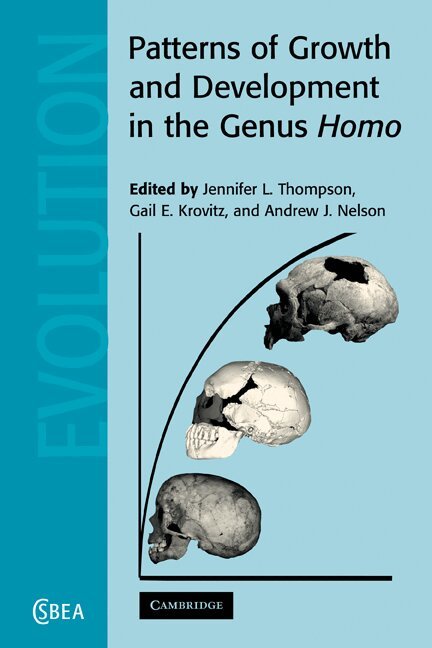
Patterns of Growth and Development in the Genus Homo
Häftad, Engelska, 2010
708 kr
Skickas inom 7-10 vardagar
It is generally accepted that the earliest human ancestors grew more like apes than like humans today. If they did so, and we are now different, when, how and why did our modern growth patterns evolve? This book focuses on species within the genus Homo to investigate the evolutionary origins of characteristic human patterns and rates of craniofacial and postcranial growth and development, and to explore unique ontogenetic patterns within each fossil species. Experts examine growth patterns found within available Plio-Pleistocene hominid samples, and analyse variation in ontogenetic patterns and rates of development in recent modern humans in order to provide a comparative context for fossil hominid studies. Presenting studies of some of the newer juvenile fossil specimens and information on Homo antecessor, this book will provide a rich data source with which anthropologists and evolutionary biologists can address the questions posed above.
Del 37 - Cambridge Studies in Biological and Evolutionary Anthropology
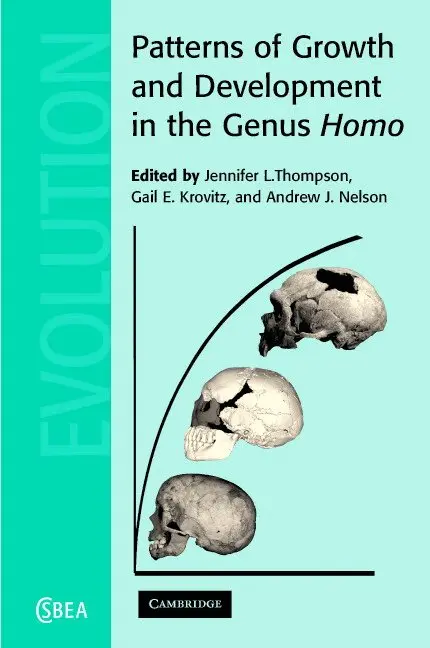
Patterns of Growth and Development in the Genus Homo
Inbunden, Engelska, 2003
1 992 kr
Skickas inom 7-10 vardagar
It is generally accepted that the earliest human ancestors grew more like apes than like humans today. If they did so, and we are now different, when, how and why did our modern growth patterns evolve? This book focuses on species within the genus Homo to investigate the evolutionary origins of characteristic human patterns and rates of craniofacial and postcranial growth and development, and to explore unique ontogenetic patterns within each fossil species. Experts examine growth patterns found within available Plio-Pleistocene hominid samples, and analyse variation in ontogenetic patterns and rates of development in recent modern humans in order to provide a comparative context for fossil hominid studies. Presenting studies of some of the newer juvenile fossil specimens and information on Homo antecessor, this book will provide a rich data source with which anthropologists and evolutionary biologists can address the questions posed above.