G. Hanlon – författare
Visar alla böcker från författaren G. Hanlon. Handla med fri frakt och snabb leverans.
4 produkter
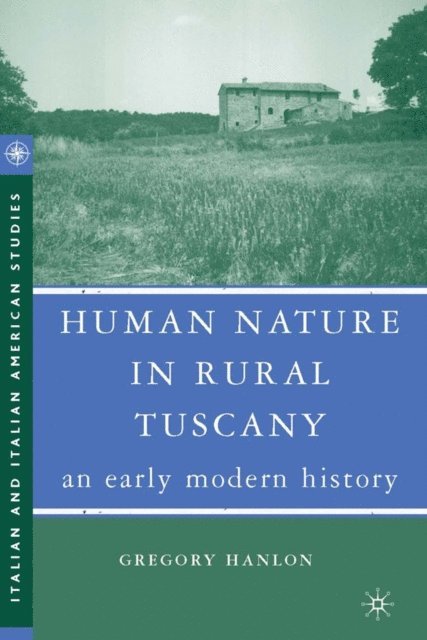
Human Nature in Rural Tuscany
An Early Modern History
Av G. Hanlon
E-bok, 2007
785 kr
Lägg i varukorg
Melding evolutionary theory and both animal and human ethology together with close, descriptive historical research on a typical Tuscan village in the Seventeenth century, Hanlon explains the good reasons individuals had for behaving in ways that now seem strange to us.
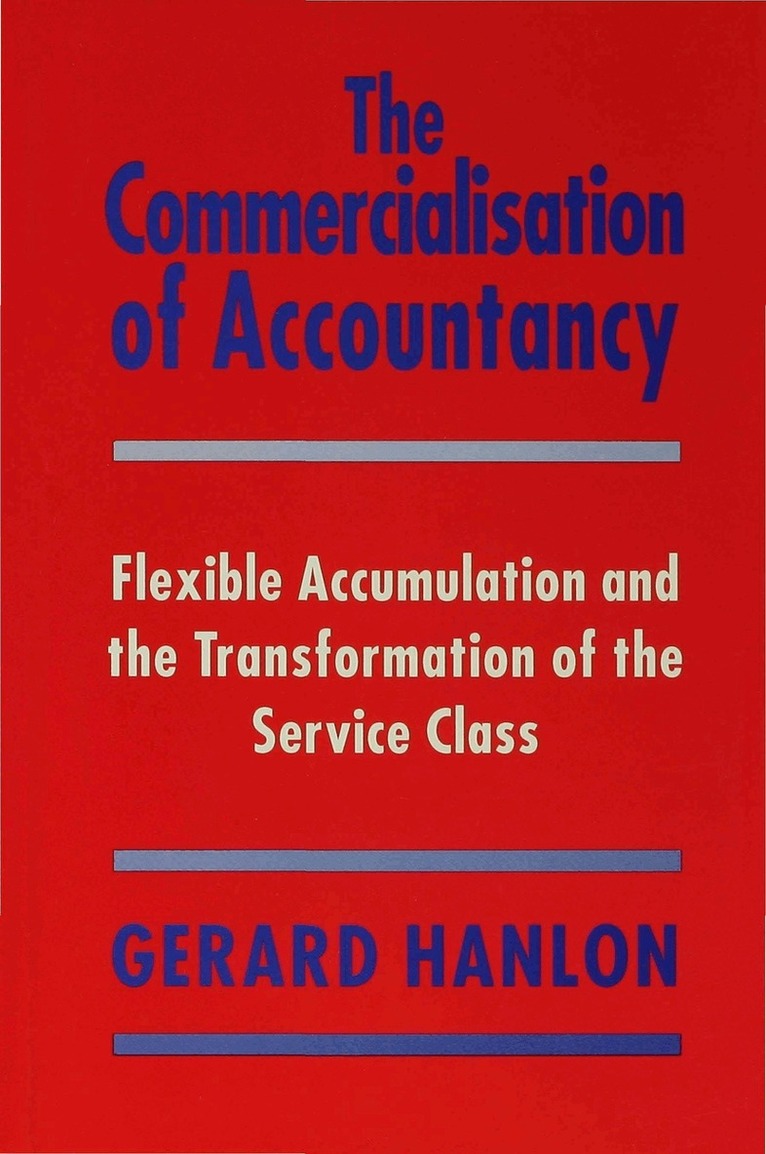
Commercialisation of Accountancy
Flexible Accumulation and the Transformation of the Service Class
Av G. Hanlon
Inbunden, 1994
1636 kr
Lägg i varukorg
This book examines the way in which professional work - specifically accountancy - has been affected by the changes within the global economy over the last twenty years. It examines the commercialisation of accountancy, finding it directly related to the shift by capital away from the consensus it …
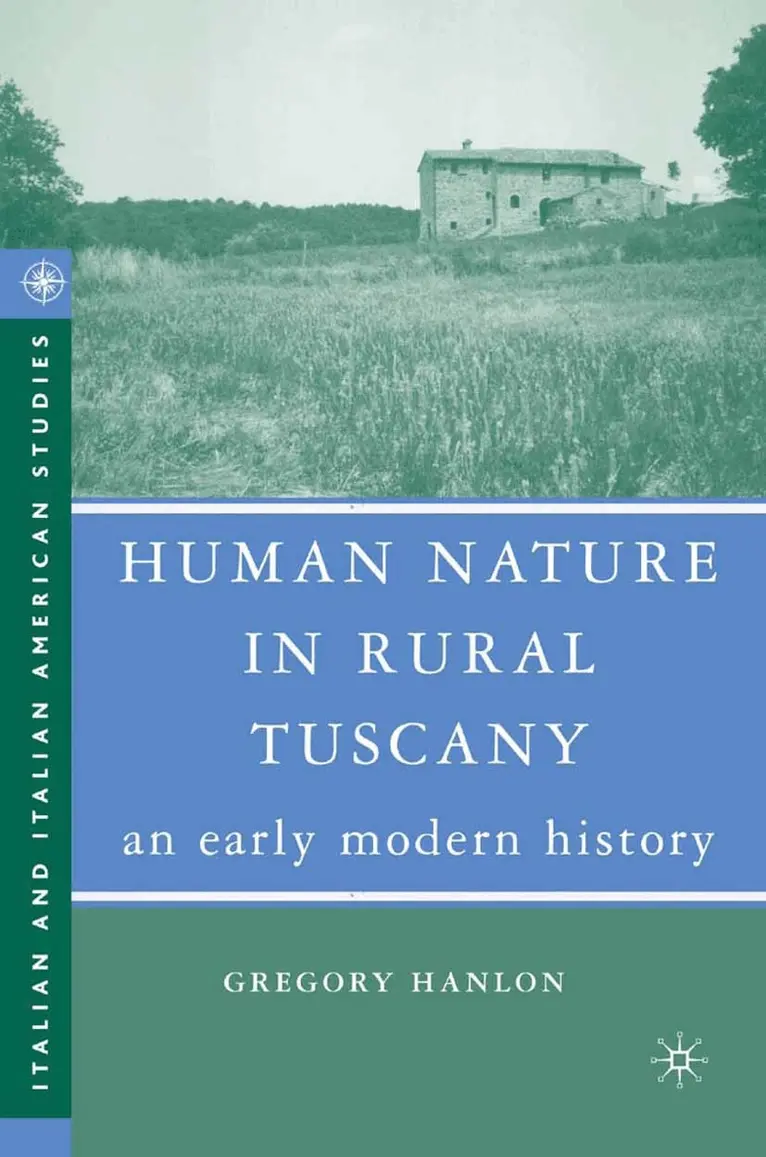
Human Nature in Rural Tuscany
An Early Modern History
Av G. Hanlon
Häftad, 2015
566 kr
Lägg i varukorg
Melding evolutionary theory and both animal and human ethology together with close, descriptive historical research on a typical Tuscan village in the Seventeenth century, Hanlon explains the good reasons individuals had for behaving in ways that now seem strange to us.
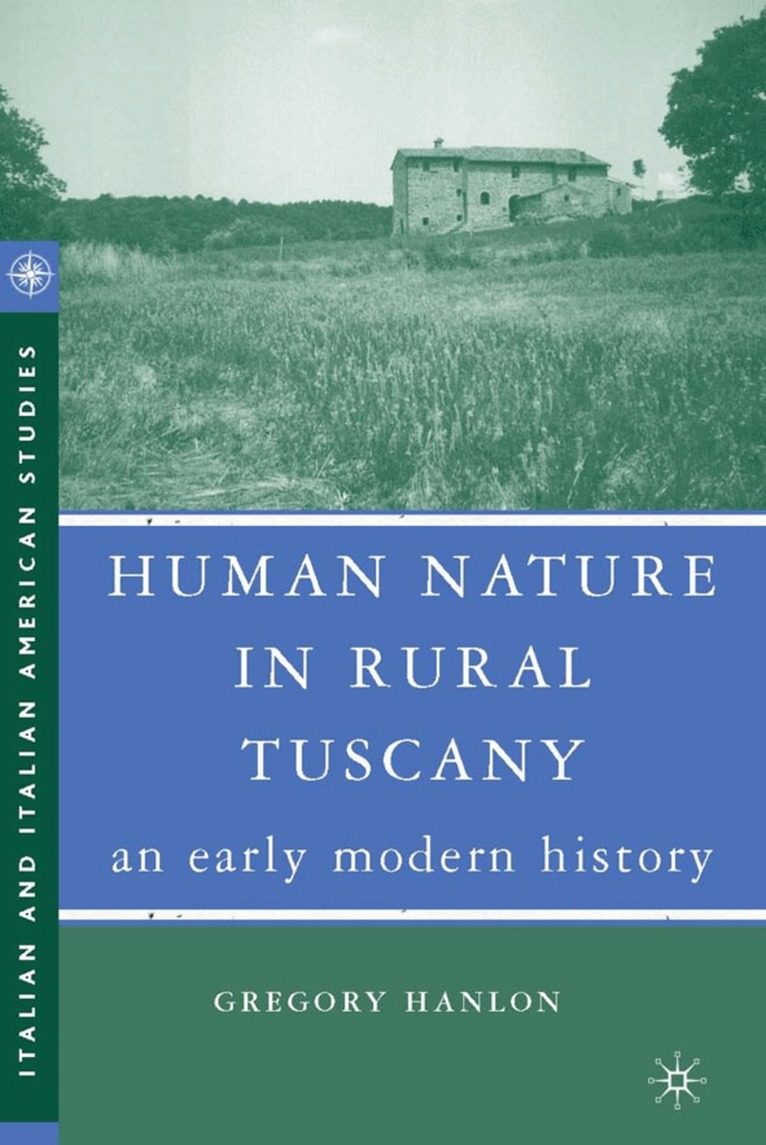
Human Nature in Rural Tuscany
An Early Modern History
Av G. Hanlon
Inbunden, 2007
566 kr
Lägg i varukorg
Melding evolutionary theory and both animal and human ethology together with close, descriptive historical research on a typical Tuscan village in the Seventeenth century, Hanlon explains the good reasons individuals had for behaving in ways that now seem strange to us.