Georg B. Michels – författare
Visar alla böcker från författaren Georg B. Michels. Handla med fri frakt och snabb leverans.
2 produkter
2 produkter
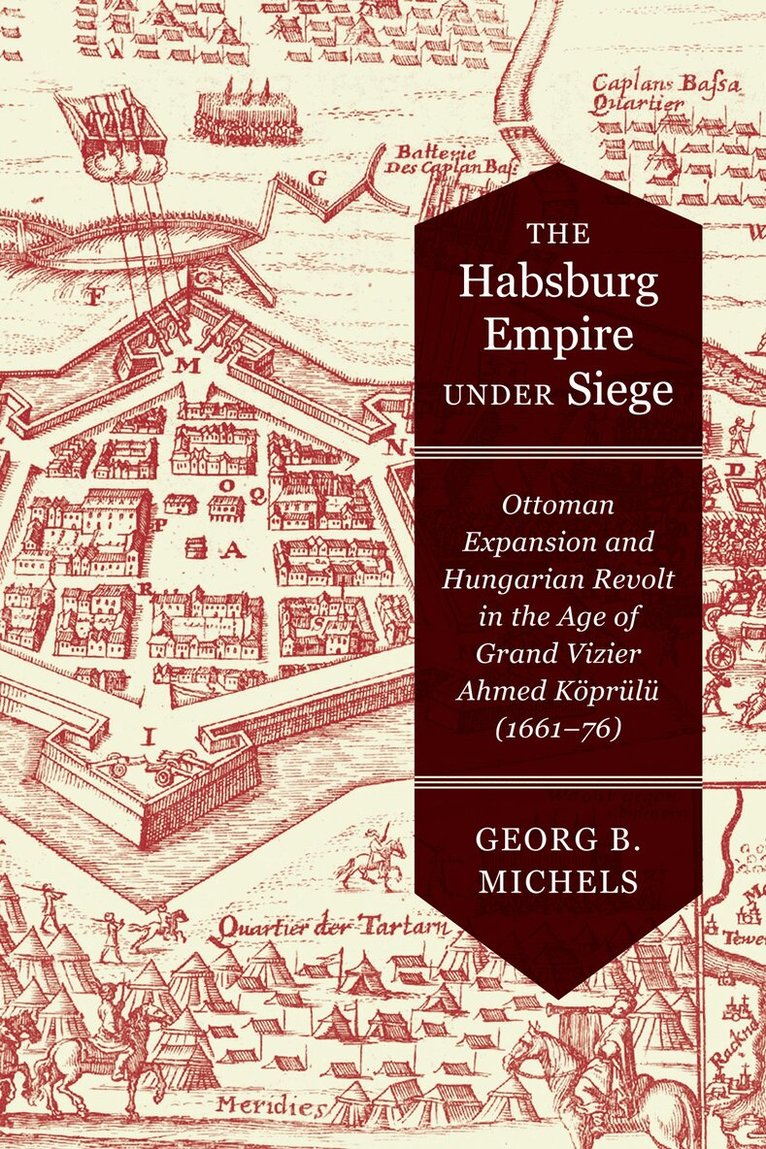
Habsburg Empire Under Siege
Ottoman Expansion and Hungarian Revolt in the Age of Grand Vizier Ahmed Köprülü (1661–76)
Inbunden, Engelska, 2021
1 067 kr
Skickas inom 5-8 vardagar
During the seventeenth century Hungary's diverse population of peasants, townsmen, soldiers, and county nobles rose up against the violent imposition of the Counter-Reformation, the Habsburg military occupation, and exhorbitant war taxes. In The Habsburg Empire under Siege Georg Michels explores the little-known grassroots revolts that threatened the Habsburgs' hold over the Hungarian borderlands.Based on extensive research in Hungarian, Austrian, and Dutch archives, this revisionist study shifts attention away from high politics, diplomacy, and military confrontation to the popular revolts that took place during the two decades before the 1683 siege of Vienna. Michels reveals a complex environment in which Calvinist Hungarians, Lutheran Slovaks, Lutheran Germans, and Orthodox Ukrainians worked to defend their religion against brutal Habsburg Counter-Reformation campaigns. Challenging preconceived notions of European, Middle Eastern, and East European history, this book tells a dramatic story of Reformation and Counter-Reformation violence, covering proxy wars, guerrilla warfare, refugee flight, migration from Hungary into Ottoman territory, and largely unknown Christian-Muslim encounters. Offering a trans-imperial perspective that reassesses the complex relationship between Hungarians, Habsburgs, and Ottomans, The Habsburg Empire under Siege portrays the resistance of ordinary men and women and their hopes for liberation from Habsburg oppression, reclaiming their place in history.
919 kr
Skickas inom 10-15 vardagar
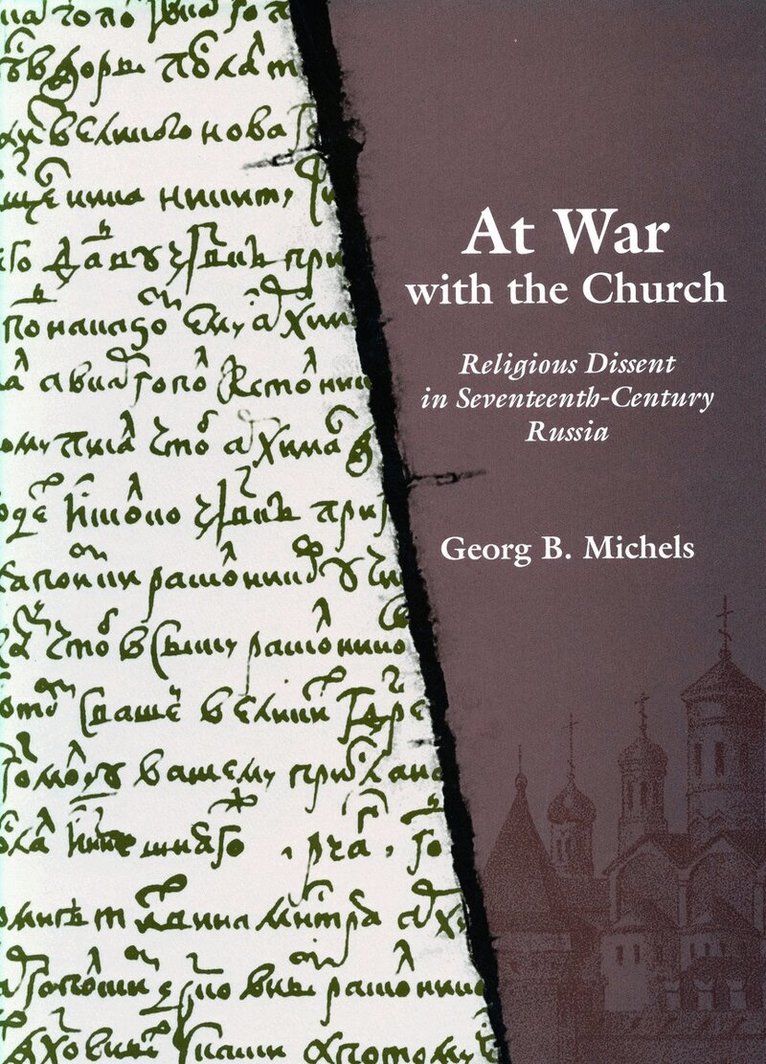
This detailed study examines the social, religious, and institutional conflicts accompanying the Russian Schism of the seventeenth century. By analyzing who opposed the reforms of Patriarch Nikon (1652-58) and under what circumstances, the author presents a complex and multi-faceted world of popular religious resistance that has been hidden from view for centuries.The documentary records of Russian church and state archives—most studied here for the first time—reveal that the schism evolved in two phases. The first phase began in 1652 and encompassed the activities of Old Believer literati as well as unrelated protests by social outcasts and independent-minded individuals. The second phase began in 1666 with a systematic church campaign to enforce the Nikonian forms of worship. The author argues that the vast majority of ordinary Russians rejected Nikonian symbols such as the three-finger sign of the cross and the new service book because they perceived them as tokens of obedience to church authority, and not because they responded to the teachings of Old Believers. In fact, the book demonstrates that seventeeth-century Old Believers' literary and moralist concerns aroused little interest among contemporaries.The Russian Schism's central feature was the assertion of religious autonomy by clerics and laymen. Countless small, locally endowed hermitages and a few larger monasteries, having never been integrated into the church's institutional structure, were now in revolt; monks and nuns living outside of official monasteries preached heterodox ideas and violence, or founded alternative communities in the forests; defrocked and unemployed priests, deeply hostile to the church, participated in local uprisings; and a number of parish priests defended themselves with force against attempts to depose them. Manifestations of lay dissent included attacks by peasants and brigands on church representatives in Siberia and at Lake Onega; group suicides; quasi-Protestant quests for religious salvation by individual peasants and artisans; and underground religious networks sponsored by Novgorod and Pskov merchants.The book provides a thorough reassesment of the Russian Schism, relying primarily on archival documents and thus departing from the traditional focus on Old Believer writings and biographies.