Giles Melanie Giles – författare
Visar alla böcker från författaren . Handla med fri frakt och snabb leverans.
2 produkter
2 produkter
E-bok
Engelska, 2021457 kr
Läs direkt efter köp
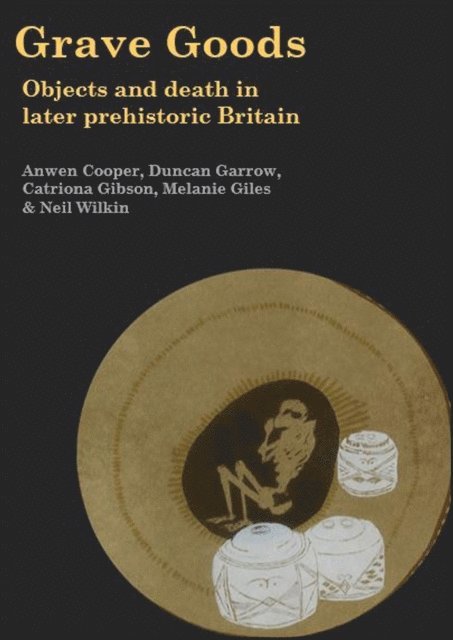
Britain is internationally renowned for the high quality and exquisite crafting of its later prehistoric grave goods (c. 4000 BC to AD 43). Many of prehistoric Britain''s most impressive artefacts have come from graves. Interred with both inhumations and cremations, they provide some of the most durable and well-preserved insights into personal identity and the prehistoric life-course, yet they also speak of the care shown to the dead by the living, and of people’s relationships with ''things''. Objects matter.This book''s title is an intentional play on words. These are objects in burials; but they are also goods, material culture, that must be taken seriously. Within it, we outline the results of the first long-term, large-scale investigation into grave goods during this period, which enables a new level of understanding of mortuary practice and material culture throughout this major period of technological innovation and social transformation. Analysis is structured at a series of different scales, ranging from macro-scale patterning across Britain, to regional explorations of continuity and change, to site-specific histories of practice, to micro-scale analysis of specific graves and the individual objects (and people) within them. We bring these different scales of analysis together in the first ever book focusing specifically on objects and death in later prehistoric Britain.Focusing on six key case study regions, the book innovatively synthesises antiquarian reports, research projects and developer funded excavations. At the same time, it also engages with, and develops, a number of recent theoretical trends within archaeology, including personhood, object biography and materiality, ensuring that it will be of relevance right across the discipline. Its subject matter will also resonate with those working in anthropology, sociology, museology and other areas where death, burial and the role of material culture in people’s lives are key contemporary issues.
E-bok
Engelska, 2013275 kr
Läs direkt efter köp
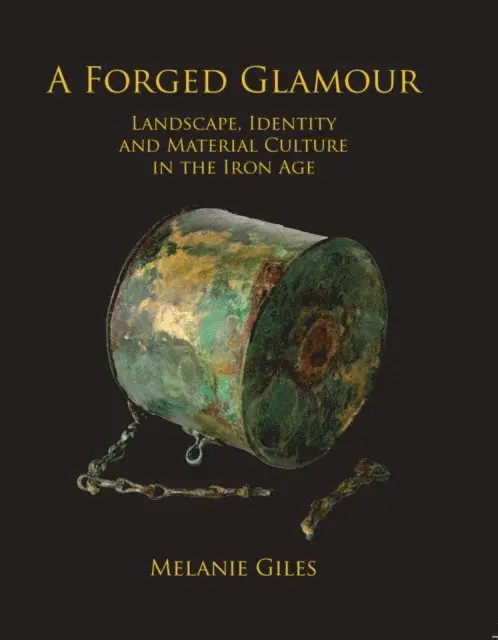
A Forged Glamour, which takes its title from a poem, is an exploration of the lives and deaths of ironworking communities renowned for their spectacular material culture, who lived in modern-day East and North Yorkshire, between the 4th and 1st centuries BC. It evaluates settlement and funerary evidence, analyses farming and craftwork, and explores what some of their ideas and beliefs might have been. It situates this regional material within the broader context of Iron Age Britain, Ireland and the near Continent, and considers what manner of society this was. In order to do this it makes use of theoretical ideas on personhood, and relationships with material culture and landscape, arguing that the making of identity always takes work. It is the character, scale and extent of this work (revealed through objects as small as a glass bead, or as big as a cemetery; as local as an earthenware pot or as exotic as coral-decoration) which enables archaeologists to investigate the web of relations which made up their lives, and explore the means of power which distinguished their leaders.