Greg Baughen – författare
Visar alla böcker från författaren . Handla med fri frakt och snabb leverans.
13 produkter
13 produkter
Inbunden, Engelska, 2025
324 kr
Skickas
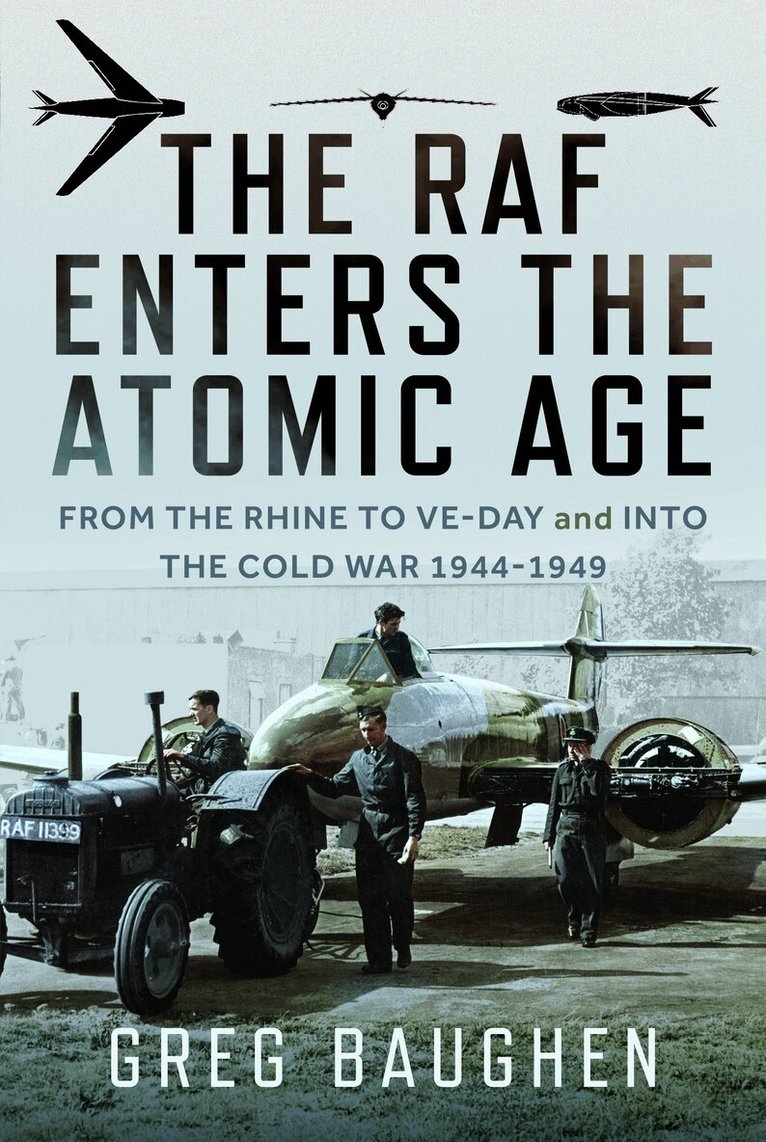
"I unreservedly recommend this work to any reader with not only a general interest in military affairs but also those with a more in depth interest in strategy, doctrine, tactics and equipment provision." The Wessex Branch of the Western Front Association May 2025 "The subtitle 'From the Rhine to VE-Day and into the Cold War 1944-1949' sums up well the author's aims and the coverage... Baughen examines the evolution of British defence policy over the five-year period of the title, and how atomic weapons changed the equation. His text is thought¬ provoking and well-argued, and the 16-page photo section wide-ranging and nicely reproduced." (Aeroplane Monthly, July 2025) By September 1944 the Western Allies had reached the approximate positions they had held back in September 1939 at the outbreak of war. It had taken more than four years to claw back the territory lost in 1940. It was four years in which the strategic bomber had failed to deliver the victory the bomber advocates had promised. With Allied armies converging on Germany from all directions, they were running out of time to prove that countries could be bombed into defeat. Baughen describes the fierce battles that were fought right up to the German surrender in May 1945. He also explores the equally fierce debates behind the scenes about how airpower should be used to complete the Allied victory, and analyses the lessons learned from six years of war. Even before Germany’s surrender, thoughts were turning to the new enemy. The wartime alliance between Communist East and Capitalist West had always been one of convenience. Within weeks of the German surrender hostilities between the wartime allies were already a possibility. The seeds for post-war defence policy were already being sown. Meanwhile, in the Far East Hiroshima and Nagasaki had become the victims of the first atomic bombs. Days later Japan surrendered. The bomber advocates appeared to have the proof that bombing could win wars. But how related were the two events? Using contemporary documents, Baughen describes how British air policy evolved in the late 1940s. Would the atomic bomb change the way wars were fought? Would conventional armies have any role in future wars? In the new atomic age, were there any lessons to be learned from the Second World War? How would the emerging cruise and ballistic missiles and associated guidance systems affect defence policy? Was a conventional defence to Soviet aggression possible? This is the story of the contribution air power made in the final battles of the Second World War, how the lessons of that conflict were misinterpreted and how the policies developed to incorporate the atomic bomb into Cold War defence thinking was leading the country into grave danger.
Häftad, Engelska, 2026
166 kr
Kommande
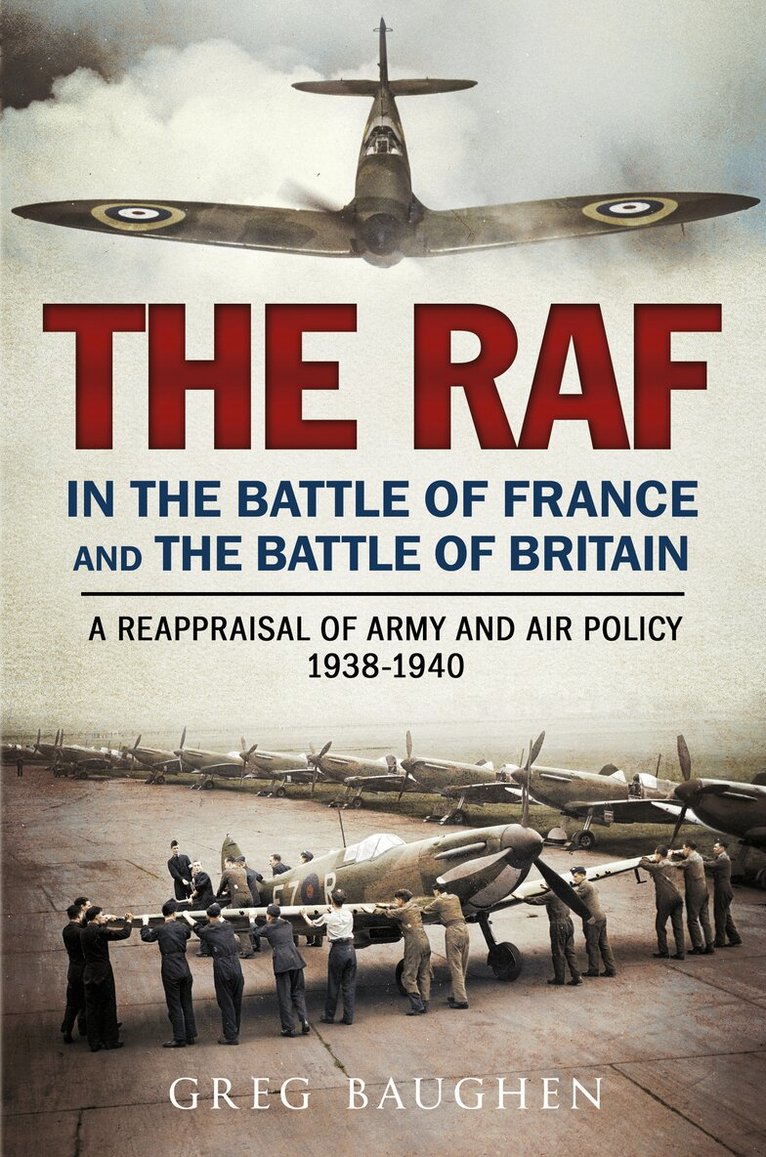
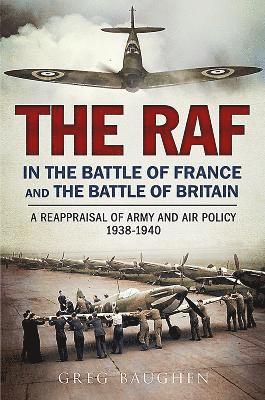
In May 1940, the German Army and the Allied forces they faced were fairly evenly matched. Two months later Britain was on her own, hopelessly outnumbered and facing imminent defeat. Should the RAF have done more to support the Allied armies in France? Could the RAF have protected the British Army better at Dunkirk? How narrow was the margin of victory in the Battle of Britain? Was the RAF ready to deal with an invasion? Why were hundreds of American combat planes and experienced Polish and Czech pilots never used? All these questions and more are answered in Greg Baughen's third book in the series. Baughen describes the furious battles between the RAF and the Luftwaffe and the equally bitter struggle between the Air Ministry and the War Office— and explains how close Britain really came to defeat in the summer of 1940.
Häftad, Engelska, 2026
182 kr
Kommande
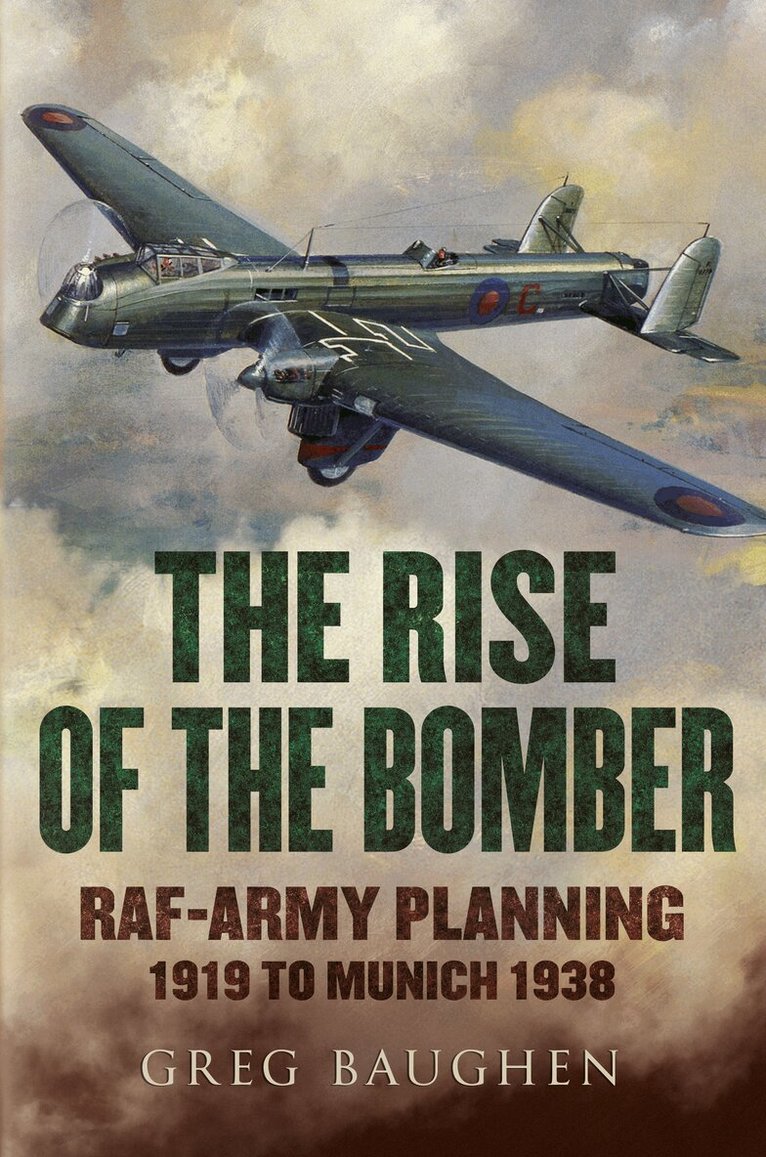
In The Rise of the Bomber: RAF-Army Planning 1919 to Munich 1938, the second book in the series, author Greg Baughen uses archive material to reassess British air policy in the inter-war years. Gone is the image of a Royal Air Force starved of funds and struggling for survival against a bullying Army and Navy. Instead, Baughen describes how the Air Force set out to replace both the Army and Navy. It blocked the development of a modern air/tank strategy and won government backing for a defence policy built around the bomber – the first weapon of mass destruction. Yet the time and money invested in the policy achieved nothing. When put to the test in 1938, the equipment proved inadequate and the strategy flawed. The Air Staff had misled the government, deceived itself and left the country defenceless. Yet, all was not lost. Unintentionally, the Air Ministry had been creating the aircraft that might still save the country. . .
Häftad, Engelska, 2026
182 kr
Kommande
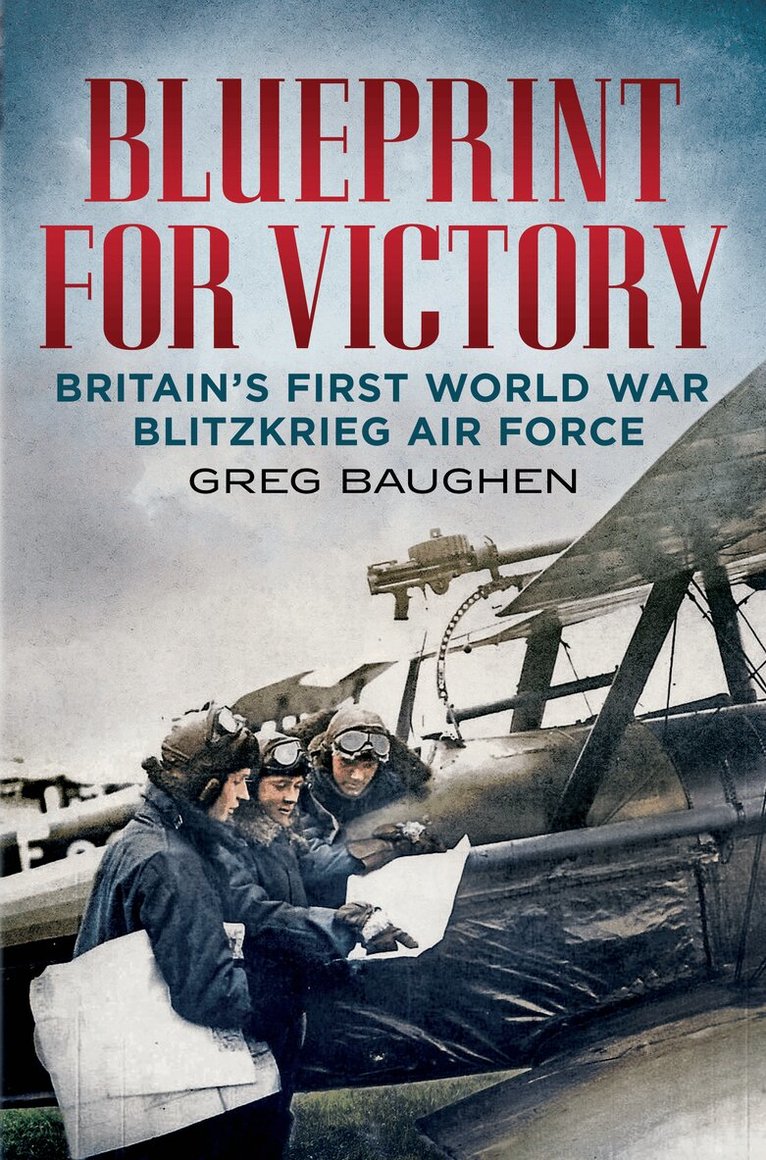
In this radical reappraisal, Greg Baughen has used archive material to build up an intriguingly different picture of how air power developed in Britain before and during the First World War. Gone are the archetypal conservative army commanders stubbornly refusing to accept the new aerial weapon. Instead, Baughen reveals how even before the outbreak of war, the British Army had appreciated the potential of the aeroplane and describes in detail how during the war, air support evolved to a level of efficiency that would not be attained again by the RAF until the closing stages of the Second World War. The speed with which military aviation developed led to designs for warplanes that would leave a fateful and lasting legacy. The author also explains how social and political factors distorted air strategy, leading to a rival strategic bombing policy. Baughen reveals the fundamental flaws that emerged and questions the thinking behind the creation of an independent RAF. Blueprint for Victory: Britain's First World War Blitzkrieg Air Force details the fierce battles as the rival factions fought for control. Many crucial lessons were learned.Little more than twenty years later, they would be applied with ruthless efficiency by the Luftwaffe.
Häftad, Engelska, 2026
166 kr
Kommande
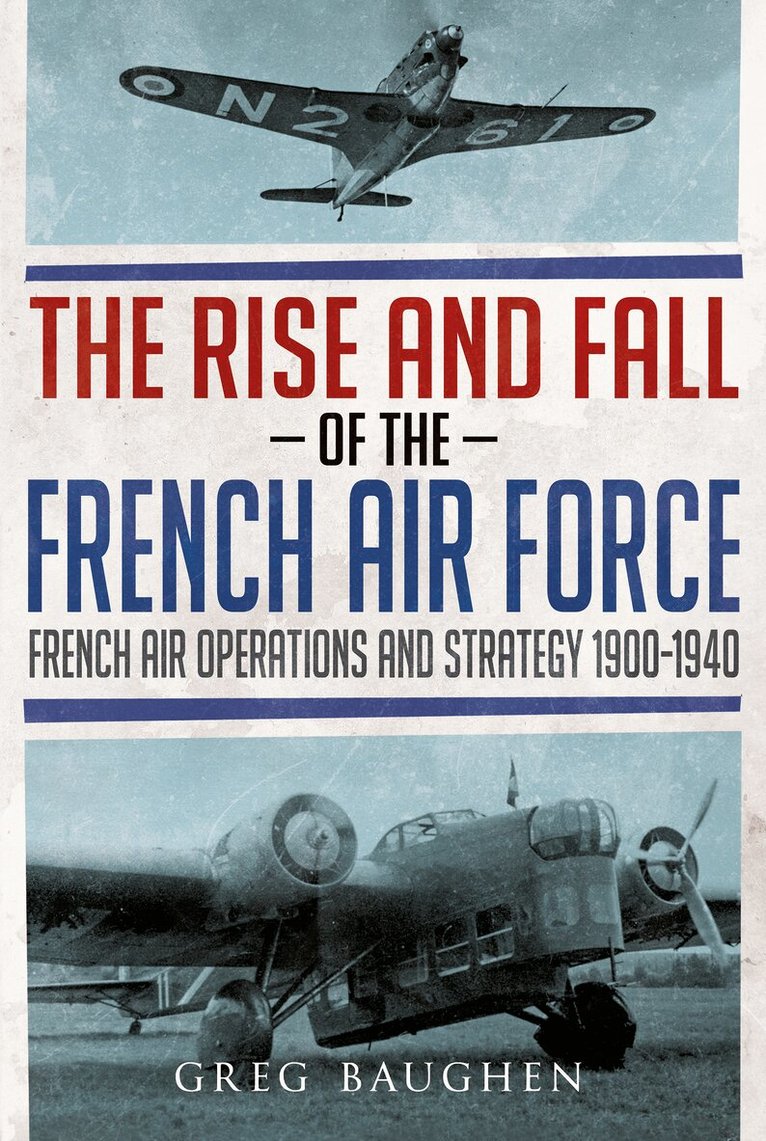
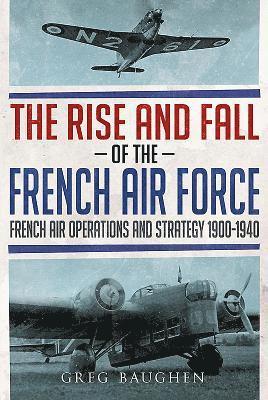
On 10 May 1940, the French possessed one of the largest air forces in the world. On paper, it was nearly as strong as the RAF. Six weeks later, France had been defeated. For a struggling French Army desperately looking for air support, the skies seemed empty of friendly planes. In the decades that followed, the debate raged. Were there unused stockpiles of planes? Were French aircraft really so inferior? Baughen examines the myths that surround the French defeat. He explains how at the end of the First World War, the French had possessed the most effective air force in the world, only for the lessons learned to be forgotten. Instead, air policy was guided by radical theories that predicted air power alone would decide future wars. Baughen traces some of the problems back to the very earliest days of French aviation. He describes the mistakes and bad luck that dogged the French efforts to modernise their air force in the twenties and thirties. He examines how decisions made just months before the German attack further weakened the air force. Yet defeat was not inevitable. If better use had been made of the planes that were available, the result might have been different.
E-bok
Engelska, 2023158 kr
Läs direkt efter köp
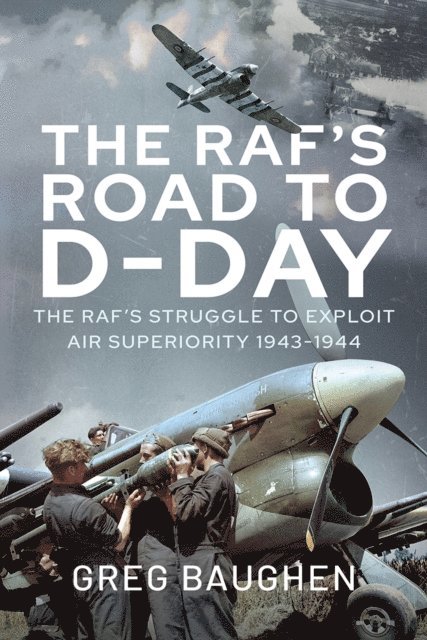
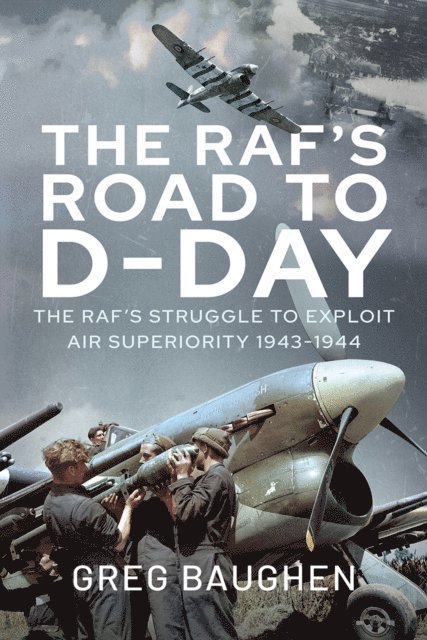
By the summer of 1943, the Third Reich’s fate seemed sealed. The combined might of Britain and the Commonwealth nations, the United States and the Soviet Union had made a Germany victory impossible. All that remained to decide was how the Allies should complete their victory. Would strategic bombing decide the outcome or would ground and air forces working together play the more significant role?Greg Baughen follows the air and land battles in Italy, France and Germany between 1943 and early 1944, as well as the equally bitter battles behind the scenes as army and air commanders debated and argued over how the war should be won. He charts the trials, tribulations, and successes of the bomber offensive and assesses whether, in the final analysis, the bomber strategy shortened or lengthened the war. He explains how army air support went backwards after the successes of the Desert Air Force, and how this led to a failure to support the troops landing on the D-Day beaches in Normandy. He also describes the subsequent revival of tactical air support and how it went on to play a key role in the subsequent campaigns but questions whether Eisenhower, Montgomery or Tedder ever fully understood how to make best use of the massive aerial forces available to them.Drawing on archive documents and accounts written at the time, the author tackles some fundamental defense issues. Was RAF independence a benefit or a hindrance to the Allied cause? To what extent was the War Office to blame for shortcomings in army air support? Did Britain understand the way the methods for waging war were evolving in the twentieth century? He takes a look at how the Air Ministry was interpreting the lessons being learned during the war. Were the defense policies of the twenties and thirties still valid? Had they ever been valid?This, then, is the story of the decisions and actions that the RAF followed in the months leading up to D-Day and how air operations evolved in the subsequent campaign.
E-bok
PDF, Engelska, 2023158 kr
Läs direkt efter köp
By the summer of 1943, the Third Reich’s fate seemed sealed. The combined might of Britain and the Commonwealth nations, the United States and the Soviet Union had made a Germany victory impossible. All that remained to decide was how the Allies should complete their victory. Would strategic bombing decide the outcome or would ground and air forces working together play the more significant role?Greg Baughen follows the air and land battles in Italy, France and Germany between 1943 and early 1944, as well as the equally bitter battles behind the scenes as army and air commanders debated and argued over how the war should be won. He charts the trials, tribulations, and successes of the bomber offensive and assesses whether, in the final analysis, the bomber strategy shortened or lengthened the war. He explains how army air support went backwards after the successes of the Desert Air Force, and how this led to a failure to support the troops landing on the D-Day beaches in Normandy. He also describes the subsequent revival of tactical air support and how it went on to play a key role in the subsequent campaigns but questions whether Eisenhower, Montgomery or Tedder ever fully understood how to make best use of the massive aerial forces available to them.Drawing on archive documents and accounts written at the time, the author tackles some fundamental defense issues. Was RAF independence a benefit or a hindrance to the Allied cause? To what extent was the War Office to blame for shortcomings in army air support? Did Britain understand the way the methods for waging war were evolving in the twentieth century? He takes a look at how the Air Ministry was interpreting the lessons being learned during the war. Were the defense policies of the twenties and thirties still valid? Had they ever been valid?This, then, is the story of the decisions and actions that the RAF followed in the months leading up to D-Day and how air operations evolved in the subsequent campaign.
E-bok
Engelska, 2018157 kr
Läs direkt efter köp
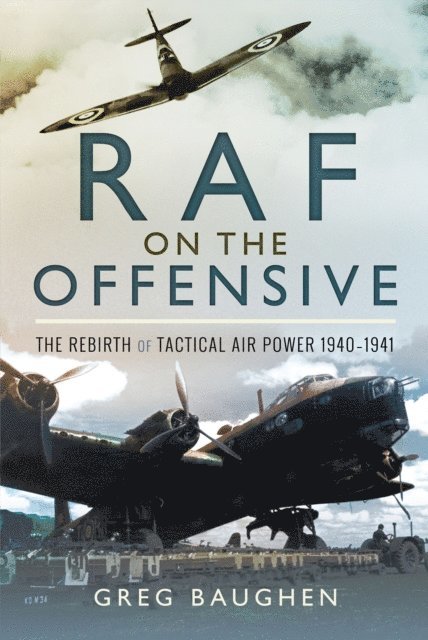
Long before the start of the Second World War it had been believed that strategic bombing would be the deciding factor in any future conflict. Then Hitler launched the Blitzkrieg upon France and the Low Countries in 1940, and the much-vaunted French Army and the British Expeditionary Force were swept away in just six weeks.This new form of warfare shook the Air Ministry, but the expected invasion never came and the Battle of Britain was fought in the air. It seemed that air forces operating independently could determine the course of the war. An Army scarcely seemed necessary for the defence of the UK and no British army could ever be powerful enough to mount an invasion of Europe on its own. Bombing Germany into defeat seemed Britain''s only option. In North Africa, however, Commonwealth armies and air forces were demonstrating that they too could use blitzkrieg tactics to crush opponents. Britain was also no longer alone; Greece and then the Soviet Union joined the fight.RAF on the Offensive describes how British air power developed after the Battle of Britain. Attitudes were beginning to change – the fighter, rather than the bomber, was re-emerging as the principal means of gaining air superiority. As 1941 drew to a close, the strategic air offensive appeared to be achieving little and conventional land warfare seemed poised to replace it as the way to defeat the enemy. Which direction, then, would the war take?
Inbunden, Engelska, 2021
272 kr
Skickas
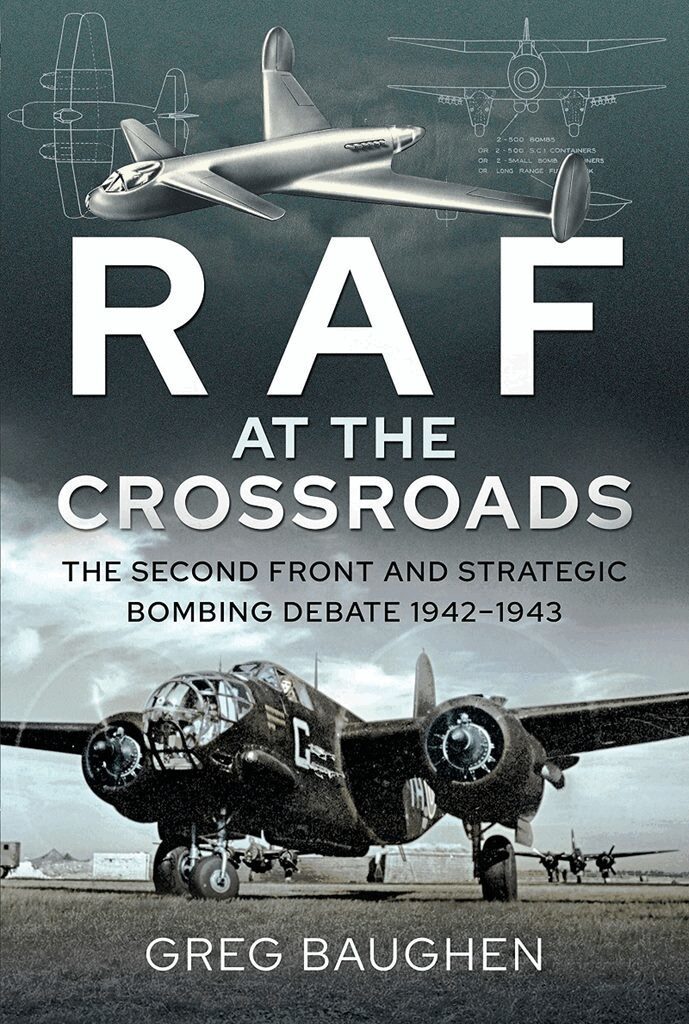
The events of 1942 marked a pivotal year in the history of British air power. For more than two decades the theory that long-range bombing could win wars had dominated British defence policy. The vast majority of warplanes ordered for the RAF were designed either to bomb enemy cities or stop the enemy from bombing British cites. Conventional armies and the air forces that supported them were seen as an outmoded way of waging war.During 1941 evidence began to mount that British policy was wrong. It had become clear the RAF's bomber offensive against Germany had, until that point, achieved very little. Meanwhile, the wars raging in Europe, Africa and Asia were being decided not by heavy bombers, but by armies and their supporting tactical air forces. Britain had never had the resources to build a large army as well as a strategic bomber fleet; it had always had to make a choice. Now it seemed the country might have made the wrong choice.For the first time since 1918 Britain began thinking seriously about a different way of fighting wars. Was it too late to change? Was a strategic bombing campaign the only option open to Britain? Could the United Kingdom help its Soviet ally more by invading France as Stalin so vehemently demanded? Could this be done in 1942?Looking further ahead, was it time to begin the development of an entirely new generation of warplanes to support the Army? Should the RAF have specialist ground attack aircraft and air superiority fighters?The answers to these questions, which are all explored here by aviation historian Greg Baughen, would help shape the development of British air power for decades to come.
156 kr
Läs direkt efter köp
The events of 1942 marked a pivotal year in the history of British air power. For more than two decades the theory that long-range bombing could win wars had dominated British defense policy. The vast majority of warplanes ordered for the RAF were designed either to bomb enemy cities or stop the enemy from bombing British cites. Conventional armies and the air forces that supported them were seen as an outmoded way of waging war. During 1941 evidence began to mount that British policy was wrong. It had become clear the RAF’s bomber offensive against Germany had, until that point, achieved very little. Meanwhile, the wars raging in Europe, Africa and Asia were being decided not by heavy bombers, but by armies and their supporting tactical air forces. Britain had never had the resources to build a large army as well as a strategic bomber fleet; it had always had to make a choice. Now it seemed the country might have made the wrong choice. For the first time since 1918 Britain began thinking seriously about a different way of fighting wars. Was it too late to change? Was a strategic bombing campaign the only option open to Britain? Could the United Kingdom help its Soviet ally more by invading France as Stalin so vehemently demanded? Could this be done in 1942? Looking further ahead, was it time to begin the development of an entirely new generation of warplanes to support the Army? Should the RAF have specialist ground attack aircraft and air superiority fighters? The answers to these questions, which are all explored here by aviation historian Greg Baughen, would help shape the development of British air power for decades to come.
E-bok
PDF, Engelska, 2021156 kr
Läs direkt efter köp
The events of 1942 marked a pivotal year in the history of British air power. For more than two decades the theory that long-range bombing could win wars had dominated British defense policy. The vast majority of warplanes ordered for the RAF were designed either to bomb enemy cities or stop the enemy from bombing British cites. Conventional armies and the air forces that supported them were seen as an outmoded way of waging war.During 1941 evidence began to mount that British policy was wrong. It had become clear the RAF’s bomber offensive against Germany had, until that point, achieved very little. Meanwhile, the wars raging in Europe, Africa and Asia were being decided not by heavy bombers, but by armies and their supporting tactical air forces. Britain had never had the resources to build a large army as well as a strategic bomber fleet; it had always had to make a choice. Now it seemed the country might have made the wrong choice.For the first time since 1918 Britain began thinking seriously about a different way of fighting wars. Was it too late to change? Was a strategic bombing campaign the only option open to Britain? Could the United Kingdom help its Soviet ally more by invading France as Stalin so vehemently demanded? Could this be done in 1942?Looking further ahead, was it time to begin the development of an entirely new generation of warplanes to support the Army? Should the RAF have specialist ground attack aircraft and air superiority fighters?The answers to these questions, which are all explored here by aviation historian Greg Baughen, would help shape the development of British air power for decades to come.
Inbunden, Engelska, 2016
272 kr
Skickas
In May 1940, the opposing German and Allied forces seemed reasonably well matched. On the ground, the four allied nations had more troops, artillery and tanks. Even in the air, the German advantage in numbers was slight. Yet two months later, the Allied armies had been crushed. The Netherlands, Belgium and France had all surrendered and Britain stood on her own, facing imminent defeat. Subsequent accounts of the campaign have tended to see this outcome as predetermined, with the seeds of defeat sown long before the fighting began. Was it so inevitable? Should the RAF have done more to help the Allied armies? Why was such a small proportion of the RAF's frontline strength committed to the crucial battle on the ground? Could Fighter Command have done more to protect the British and French troops being evacuated from the beaches of Dunkirk? This study looks at the operations flown and takes a fresh look at the fatal decisions made behind the scenes, decisions that unnecessarily condemned RAF aircrews to an unequal struggle and ultimately ensured Allied defeat. What followed became the RAF's finest hour with victory achieved by the narrowest of margins.Or was it, as some now suggest, a victory that was always inevitable? If so, how was the German military juggernaut that had conquered most of Europe so suddenly halted? This study looks at the decisions and mistakes made by both sides. It explains how the British obsession with bomber attacks on cities had led to the development of the wrong type of fighter force and how only a fortuitous sequence of events enabled Fighter Command to prevail. It also looks at how ready the RAF was to deal with an invasion. How much air support could the British Army have expected? Why were hundreds of American combat planes and experienced Polish and Czech pilots left on the sidelines? And when the Blitz began, and Britain finally got the war it was expecting, what did this campaign tell us about the theories on air power that had so dominated pre-war air policy? All these questions and more are answered in Greg Baughen's third book. Baughen describes the furious battles between the RAF and the Luftwaffe and the equally bitter struggle between the Air Ministry and the War Office - and explains how close Britain really came to defeat in the summer of 1940.
Inbunden, Engelska, 2017
315 kr
Skickas
On 10 May 1940, the French possessed one of the largest air forces in the world. On paper, it was nearly as strong as the RAF. Six weeks later, France had been defeated. For a struggling French Army desperately looking for air support, the skies seemed empty of friendly planes. In the decades that followed, the debate raged. Were there unused stockpiles of planes? Were French aircraft really so inferior? Baughen examines the myths that surround the French defeat. He explains how at the end of the First World War, the French had possessed the most effective air force in the world, only for the lessons learned to be forgotten. Instead, air policy was guided by radical theories that predicted air power alone would decide future wars. Baughen traces some of the problems back to the very earliest days of French aviation. He describes the mistakes and bad luck that dogged the French efforts to modernise their air force in the twenties and thirties. He examines how decisions made just months before the German attack further weakened the air force. Yet defeat was not inevitable. If better use had been made of the planes that were available, the result might have been different.