Henrik F. Infield – författare
Visar alla böcker från författaren Henrik F. Infield. Handla med fri frakt och snabb leverans.
10 produkter
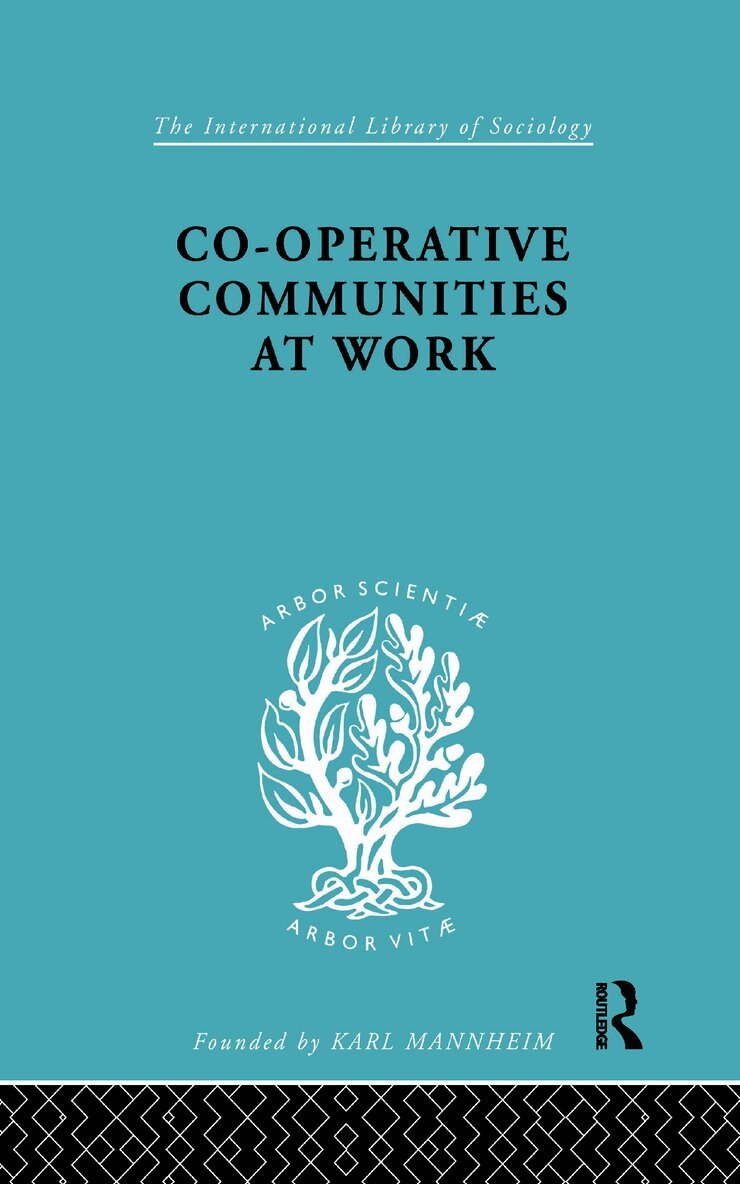
Co-Operative Communities at Work
Inbunden, 1998
4580 kr
Lägg i varukorg
This is Volume IV in a series of twenty-two on Race, Class and Social Structure. Originally published in 1947, in this study is an attempt to sum up the lessons offered by co-operative communities of the past and present. The work deals with two principal tasks: (I) a description of the most …
Coop Living Palestine Ils 106
Inbunden, 1998
3055 kr
Lägg i varukorg
First published in 1998. This is the fifth volume of the Race, Class and Social Structure series. In this study of co-operative living Doctor Henrik Infield has chosen the Kvutza as a type of rural settlement already of the highest value to the Jewish National Home in Palestine, and probably of …
Coop Living Palestine Ils 106
Häftad, 2015
747 kr
Lägg i varukorg
First published in 1998. This is the fifth volume of the Race, Class and Social Structure series. In this study of co-operative living Doctor Henrik Infield has chosen the Kvutza as a type of rural settlement already of the highest value to the Jewish National Home in Palestine, and probably of …
Co-Operative Communities at Work
E-bok, 2018
883 kr
Lägg i varukorg
This is Volume IV in a series of twenty-two on Race, Class and Social Structure. Originally published in 1947, in this study is an attempt to sum up the lessons offered by co-operative communities of the past and present. The work deals with two principal tasks: (I) a description of the most …
Co-Operative Communities at Work
E-bok, 2018
883 kr
Lägg i varukorg
This is Volume IV in a series of twenty-two on Race, Class and Social Structure. Originally published in 1947, in this study is an attempt to sum up the lessons offered by co-operative communities of the past and present. The work deals with two principal tasks: (I) a description of the most …
Coop Living Palestine Ils 106
E-bok, 2013
864 kr
Lägg i varukorg
First published in 1998. This is the fifth volume of the Race, Class and Social Structure series. In this study of co-operative living Doctor Henrik Infield has chosen the Kvutza as a type of rural settlement already of the highest value to the Jewish National Home in Palestine, and probably of …
Coop Living Palestine Ils 106
E-bok, 2013
864 kr
Lägg i varukorg
First published in 1998. This is the fifth volume of the Race, Class and Social Structure series. In this study of co-operative living Doctor Henrik Infield has chosen the Kvutza as a type of rural settlement already of the highest value to the Jewish National Home in Palestine, and probably of …
Co-Operative Communities at Work
Häftad, 2016
747 kr
Lägg i varukorg
This is Volume IV in a series of twenty-two on Race, Class and Social Structure. Originally published in 1947, in this study is an attempt to sum up the lessons offered by co-operative communities of the past and present. The work deals with two principal tasks: (I) a description of the most …