Hugh Prince – författare
Visar alla böcker från författaren Hugh Prince. Handla med fri frakt och snabb leverans.
2 produkter
2 produkter
E-bok
PDF, Engelska, 2008901 kr
Läs direkt efter köp
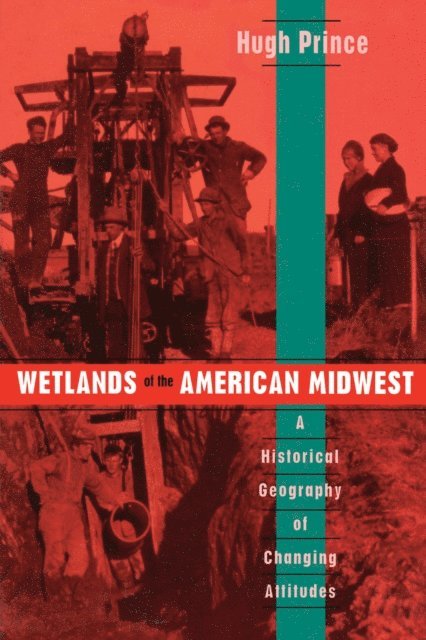
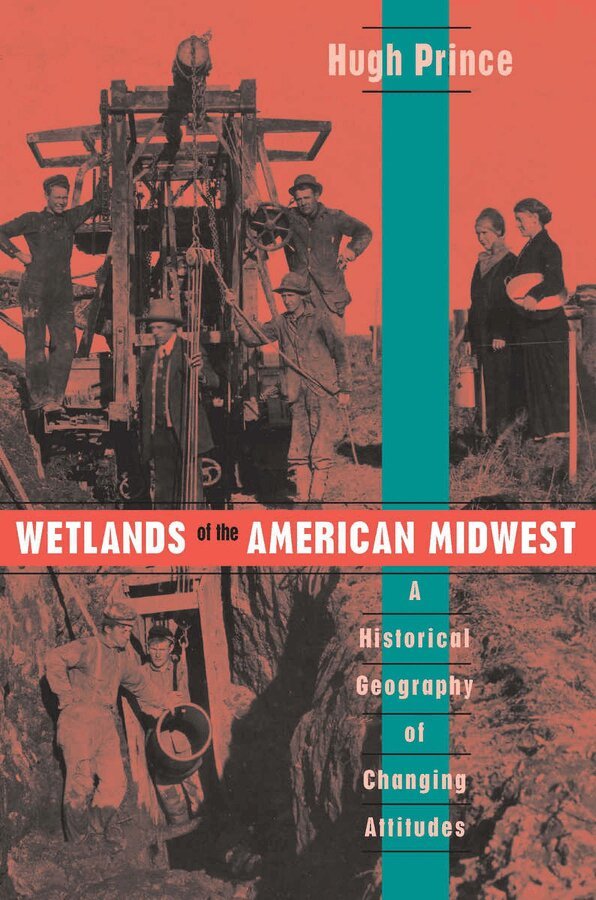
How people perceive wetlands has always played a crucial role in determining how people act toward them. In this readable and objective account, Hugh Prince examines literary evidence as well as government and scientific documents to uncover the history of changing attitudes toward wetlands in the American Midwest. As attitudes changed, so did scientific research agendas, government policies, and farmers'' strategies for managing their land. Originally viewed as bountiful sources of wildlife by indigenous peoples, wet areas called "wet prairies," "swamps," or "bogs" in the late nineteenth and early twentieth centuries were considered productive only when drained for agricultural use. Beginning in the 1950s, many came to see these renamed "wetlands" as valuable for wildlife and soil conservation. Prince''s book will appeal to a wide readership, ranging from geographers and environmental historians to the many government and private agencies and individuals concerned with wetland research, management, and preservation.
Häftad, Engelska, 1998
412 kr
Skickas inom 5-8 vardagar
How people perceive wetlands has always played a crucial role in determining how people act toward them. In this account, Hugh Prince examines literary evidence as well as government and scientific documents to uncover the history of changing attitudes toward wetlands in the American Midwest. As attitudes changed, so did scientific research agendas, government policies, and farmers' strategies for managing their land. Originally viewed as bountiful sources of wildlife by indigenous peoples, wet areas called "wet prairies," "swamps," or "bogs" in the late 19th and early 20th centuries were considered productive only when drained for agricultural use. Beginning in the 1950s, many came to regard these renamed "wetlands" as valuable for wildlife and soil conservation. The book should interest geographers and environmental historians to government and private agencies, and individuals concerned with wetland research, management, and preservation.