Igor Galynker - Böcker
Visar alla böcker från författaren Igor Galynker. Handla med fri frakt och snabb leverans.
3 produkter
3 produkter
1 399 kr
Skickas inom 3-6 vardagar
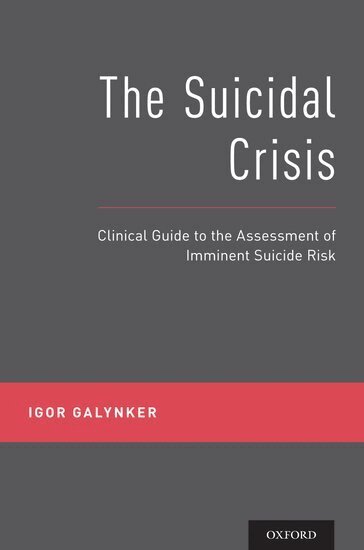
Most people who die by suicide see a clinician prior to taking their lives. Therefore, one of the most difficult determinations clinicians must be able to make is whether any given patient is at risk for suicide in the immediate future. The Suicidal Crisis, Clinical Guide to the Assessment of Imminent Suicide Risk, is the first book written specifically to help clinicians evaluate the risk of such imminent suicidal behavior.The Suicidal Crisis is an essential work for every mental health professional and for anyone who would like to have a framework for understanding suicide. Written by master clinician Dr. Igor Galynker, the book presents methods for a systematic and comprehensive assessment of short-term suicide risk and for conducting risk assessment interviews in different settings.Dr. Galynker describes suicide as an attempt of a vulnerable individual to escape an unbearable life situation, which is perceived as both intolerable and inescapable. What sets the Suicidal Crisis apart from the other books of its kind is its sharp focus on those at the highest risk. It presents a wealth of clinical material within the easy-to-understand and intuitive framework of the Narrative-Crisis model of suicidal behavior. The book contains sixty individual case studies of actual suicidal individuals and their interviews, detailed instructions on how to conduct such interviews, and risk assessment test cases with answer keys. A unique feature of the book, not found in any other book on suicide, is a discussion of how clinicians' emotional responses to acutely suicidal individuals may help identify those at highest risk. In this timely, thorough, and well-written monograph, Dr. Galynker provides a method for understanding the suicidal process and of identifying those at the highest risk for taking their lives. Any clinician who works with suicidal individuals-and anybody who knows someone who has considered suicide-will find the book an essential and illuminating read.
821 kr
Skickas inom 5-8 vardagar
Most people who die by suicide see a clinician prior to taking their lives. Therefore, one of the most difficult determinations clinicians must be able to make is whether any given patient is at risk for suicide in the immediate future. The Suicidal Crisis, Clinical Guide to the Assessment of Imminent Suicide Risk, is the first book written specifically to help clinicians evaluate the risk of such imminent suicidal behavior.The Suicidal Crisis is an essential work for every mental health professional and for anyone who would like to have a framework for understanding suicide. Written by master clinician Dr. Igor Galynker, the book presents methods for a systematic and comprehensive assessment of short-term suicide risk and for conducting risk assessment interviews in different settings.Dr. Galynker describes suicide as an attempt of a vulnerable individual to escape an unbearable life situation, which is perceived as both intolerable and inescapable. What sets the Suicidal Crisis apart from the other books of its kind is its sharp focus on those at the highest risk. It presents a wealth of clinical material within the easy-to-understand and intuitive framework of the Narrative-Crisis model of suicidal behavior. The book contains sixty individual case studies of actual suicidal individuals and their interviews, detailed instructions on how to conduct such interviews, and risk assessment test cases with answer keys. A unique feature of the book, not found in any other book on suicide, is a discussion of how clinicians' emotional responses to acutely suicidal individuals may help identify those at highest risk.In this timely and extensively updated edition Galynker provides a method for understanding the suicidal process, and of identifying those at the highest risk for taking their lives. Any clinician who works with suicidal individuals and anybody who knows someone who has considered suicide will find the book an essential and illuminating read.
339 kr
Tillfälligt slut
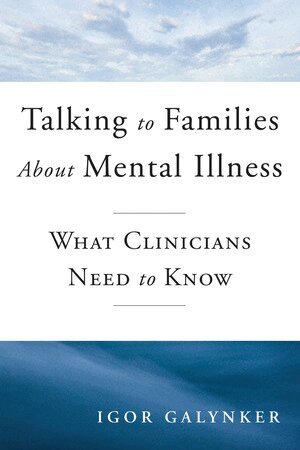
Will he always need medication? How should I explain his illness to the children? What should I say to him to be supportive? How should I behave? A diagnosis of a mental illness can change a person forever—indeed, in some cases it can affect the rest of the life course. It can also have a deep and lasting impact on those close to them. Loving and caring, but often frustrated and at times depressed themselves, family members and caregivers have plenty of questions for the psychiatrists, primary care physicians, and other counselors or therapists who are caring for their mentally ill loved one.Here, veteran clinician Igor Galynker equips mental health professionals with everything they need to know to speak with family members compassionately and effectively, conveying treatment information and answering their questions, while also relieving their anxieties. Drawing from years of his own clinical experience, he offers tools for communicating with families about psychiatric symptoms, medications, and alternative treatment options—along with the difficult topics of stigma, denial, and suicide. He covers the ins and outs of schizophrenia, bipolar mood disorder, major depressive disorder, generalized anxiety disorder, panic disorder, obsessive-compulsive disorder, and personality disorders, and outlines the course of each illness, symptoms, and implications for the client’s future and relationships. Finally, he offers advice for managing stress, succeeding at school and work, building strong romantic relationships, and planning families. Clinical case examples throughout showcase Galynker’s narratives in practice, and prepare clinicians for families’ reactions, both good and bad. Whether you are a general practitioner or psychiatric specialist, or concerned loved one, Talking to Families About Mental Illness will enhance your ability to manage a family’s difficult questions and concerns, which can ultimately transform the way they handle the patient’s diagnosis. This book provides all the tools necessary to communicate clearly and effectively, and guide patients and their families on the path to healing.