Ilan Rachum – författare
Visar alla böcker från författaren Ilan Rachum. Handla med fri frakt och snabb leverans.
3 produkter
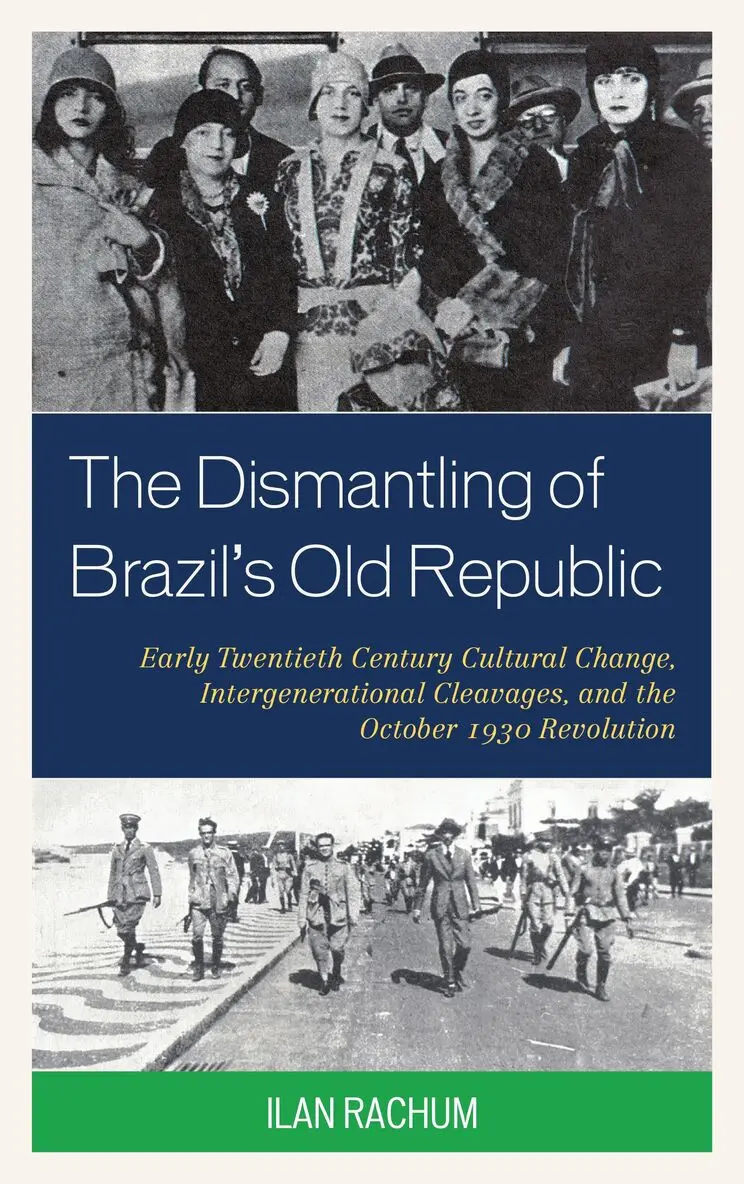
Dismantling of Brazil's Old Republic
Early Twentieth Century Cultural Change, Intergenerational Cleavages, and the October 1930 Revolution
Av Ilan Rachum
Inbunden, 2015
1243 kr
Lägg i varukorg
In the years 1922–1930 Brazil's political and cultural arenas were bestirred by distinct movements of protest and demand for change, forcing a great shift in the manner Brazilians perceived themselves and their country, and shaping a national climate of opinion which led to a revolution and …
Dismantling of Brazil's Old Republic
Early Twentieth Century Cultural Change, Intergenerational Cleavages, and the October 1930 Revolution
Av Ilan Rachum
E-bok, 2015
1364 kr
Lägg i varukorg
In the years 1922–1930 Brazil''s political and cultural arenas were bestirred by distinct movements of protest and demand for change, forcing a great shift in the manner Brazilians perceived themselves and their country, and shaping a national climate of opinion which led to a revolution and …
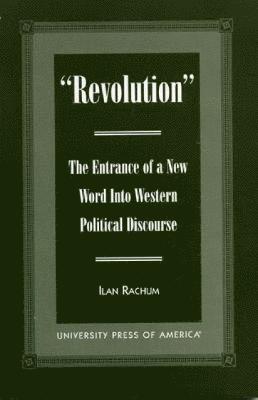
'Revolution'
The Entrance of a New Word Into Western Political Discourse
Av Ilan Rachum
Häftad, 1999
706 kr
Tillfälligt slut
Although there are scores of books on the theme of revolution, Ilan Rachum's study is unique in its analysis from the perspective of political discourse. It examines how the term 'revolution' entered Western political vocabulary through a historical survey covering the early Renaissance to the …