Ilkka Syvanne – författare
Visar alla böcker från författaren . Handla med fri frakt och snabb leverans.
23 produkter
23 produkter
Inbunden, Engelska, 2023
334 kr
Skickas
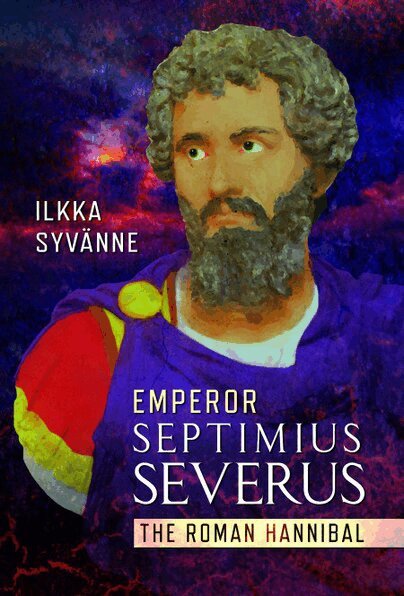
One ancient source called Severus the most warlike of all men who had lived up to that moment in time. The rise of Septimius Severus to power started the dominance of the military in Roman affairs and it was because of this that Septimius's advice for his sons was nothing less than: 'Be harmonious, enrich the soldiers, and scorn all other men!'Ilkka Syvanne explains in detail how the African Septimius Severus achieved his position, how he won his wars and battles and how he used his newly gained power to secure his family's position. He reveals how he reformed the state and its military, and how he used these remodelled forces in wars of conquest to prove his worth as emperor to both the soldiers and the populace. This biography offers the first complete overview of the policies, events and military campaigns of Severus' reign in the fullest detail allowed by the sources. It also explains how and why these contributed to the military crisis of the third century and discusses the legacy he left for his son, Caracalla, who followed him in both his good and bad traits.
Inbunden, Engelska, 2022
325 kr
Skickas
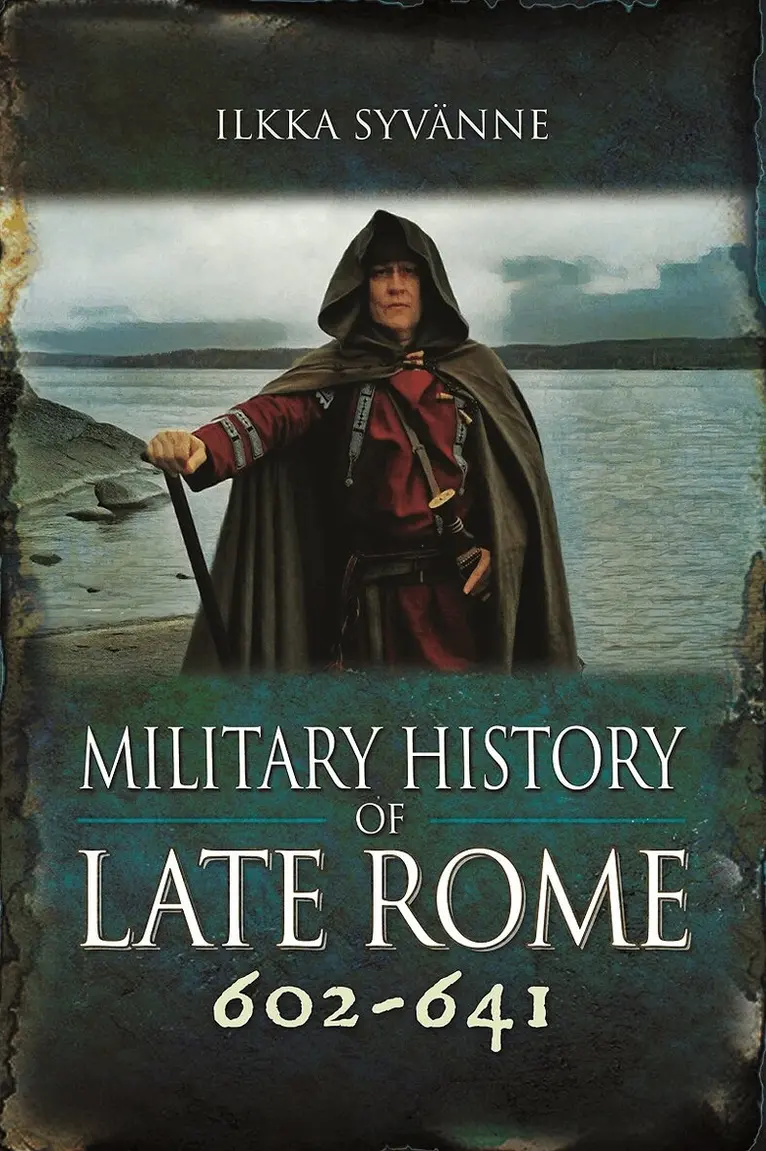
The Military History of Late Rome 565-602 provides a fresh analysis of the Roman Empire from the reign of Phocas (602-10) until the death of Heraclius (610-41). This was an era of unprecedented upheavals which is usually considered to have resulted in the end of antiquity. The usurpations of Phocas and Heraclius led to the collapse of the Roman defences; The Persians conquered Syria, Lebanon, Palestine and Egypt; The Avars and Slavs ravaged the Balkans; The Lombards held the upper hand in Italy; the Visigoths conquered Spain; But then happened one of the most remarkable reversals of fortune in the history of mankind. Heraclius began his holy war against the fire-worshippers. He launched a very effective counterattack against the Persians as a result of which the Romans not only defeated the Persians but actually even extended their domains at their expense, and not only this, because by 633 Heraclius was already restoring the Roman fortunes in the Balkans. This volume revises many of the previously held views of how this took place and what actually happened. The Roman armies seemed invincible and then happened yet another great reversal of fortune - the Muslims began their jihad to conquer the world. The author provides a fresh analysis of all of these upheavals; explains in detail why these reversals of fortune happened; what enabled the Romans to defeat the Persians; and why the Romans lost when they fought against the Muslims and, conversely, why the Muslims were so successful. This was an era of epic campaigns and battles all of which are explained in unprecedented detail. The epic campaigns needed equally talented commanders who include, for example, Heraclius, Chosroes II Parwez, Shahrbaraz, Shahin, Abu Bakr, Umar, Abu Ubaydah, and Khalid b. al-Walid, the Sword of Allah. This is revisionist history writing at its best.
Häftad, Engelska, 2021
208 kr
Skickas
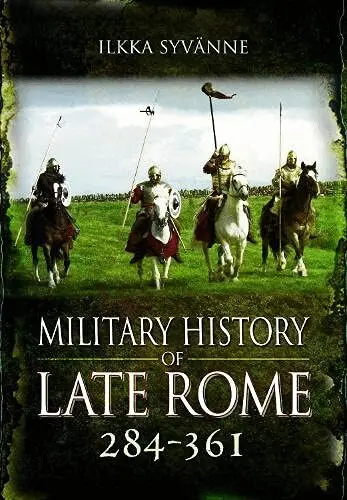
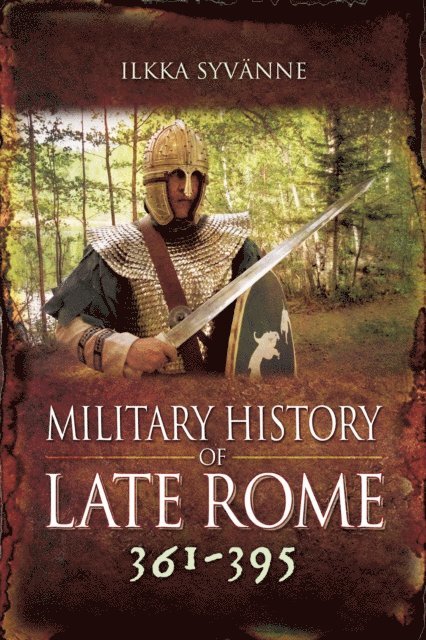
This ambitious series gives the reader a comprehensive narrative of late Roman military history from 284-641\. Each volume (5 are planned) gives a detailed account of the changes in organization, equipment, strategy and tactics among both the Roman forces and her enemies in the relevant period, while also giving a detailed but accessible account of the campaigns and battles. Volume I covers the period 284-361, starting with recovery from the 'third-century crisis' and the formation of the Tetrarchy. Constantine's civil wars and stabilization.are also major themes, with the pattern repeated under his sons. Constantius IIs wars against the usurper Magnentius, the Danubian tribes and the Sassanid Persians illustrate the serious combination of internal and external threats the Empire faced at this time. The author discusses these and the many other dramatic military events in their full context and puts forward some interesting conclusions on strategic and tactical developments. He argues, for example, that the Roman shift from infantry to cavalry as the dominant arm occurred considerably earlier than usually accepted. Anyone with an interest in the military history of this period will find it both informative and thought-provoking.
E-bok
Engelska, 2021129 kr
Läs direkt efter köp
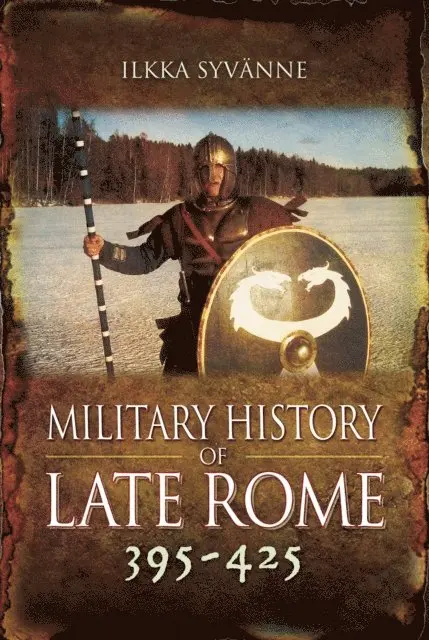
A detailed overview of the tumultuous events of this pivotal period, in which a divided Rome was plagued by assassination, civil wars, and invading hordes.This ambitious series offers a comprehensive narrative of late Roman military history from 284–641. Each volume gives a detailed account of the changes in organization, equipment, strategy, and tactics among both the Roman forces and their enemies in the relevant period, while also giving a detailed but accessible account of the campaigns and battles.This third volume analyzes in great detail the pivotal years of 395–425. It was then that the mighty Roman Empire faced the Great Migrations while being wracked by civil wars. In 395 the task of defending the Roman Empire fell on the great generalissimo Stilicho. He faced a series of hostile bureaucrats, emperors, usurpers, and foreign foes until he was killed in a conspiracy in 409. His death led to an event that shook up the Empire to its very core. The city of Rome fell to the Visigoths of Alaric in 410. The book shows why this happened and how and why the Germanic tribes were able to settle inside the borders of the Empire. This, however, is not the entire picture. In contrast to the West Romans, the East Romans survived the civil wars and faced the Germans, Huns, and Persia successfully. Why it was so and why were the East Romans able to take control also of West Rome in 425? The information in this book will give history buffs much to consider and debate.Praise for Military History of Late Rome 425–457“An outstanding work . . . [the series] gives us a very good picture of the long process that has come to be known as the ‘Fall of Rome.’ This is an invaluable read for anyone with an interest in Late Antiquity.” —The NYMAS Review
E-bok
PDF, Engelska, 2021129 kr
Läs direkt efter köp
A detailed overview of the tumultuous events of this pivotal period, in which a divided Rome was plagued by assassination, civil wars, and invading hordes. This ambitious series offers a comprehensive narrative of late Roman military history from 284 641. Each volume gives a detailed account of the changes in organization, equipment, strategy, and tactics among both the Roman forces and their enemies in the relevant period, while also giving a detailed but accessible account of the campaigns and battles. This third volume analyzes in great detail the pivotal years of 395 425. It was then that the mighty Roman Empire faced the Great Migrations while being wracked by civil wars. In 395 the task of defending the Roman Empire fell on the great generalissimo Stilicho. He faced a series of hostile bureaucrats, emperors, usurpers, and foreign foes until he was killed in a conspiracy in 409. His death led to an event that shook up the Empire to its very core. The city of Rome fell to the Visigoths of Alaric in 410. The book shows why this happened and how and why the Germanic tribes were able to settle inside the borders of the Empire. This, however, is not the entire picture. In contrast to the West Romans, the East Romans survived the civil wars and faced the Germans, Huns, and Persia successfully. Why it was so and why were the East Romans able to take control also of West Rome in 425? The information in this book will give history buffs much to consider and debate. Praise for Military History of Late Rome 425 457"e;An outstanding work . . . [the series] gives us a very good picture of the long process that has come to be known as the 'Fall of Rome.' This is an invaluable read for anyone with an interest in Late Antiquity."e; The NYMAS Review
E-bok
Engelska, 202086 kr
Läs direkt efter köp
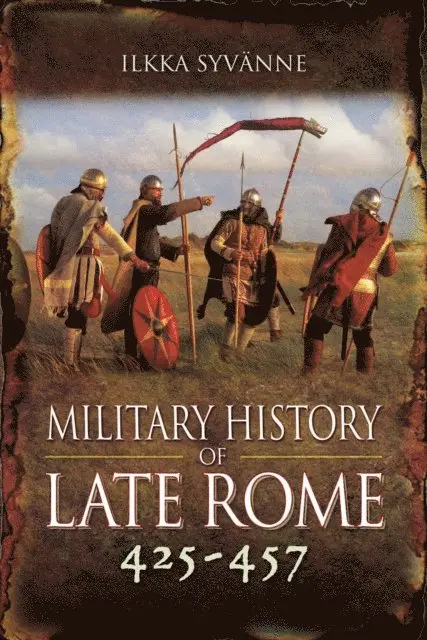
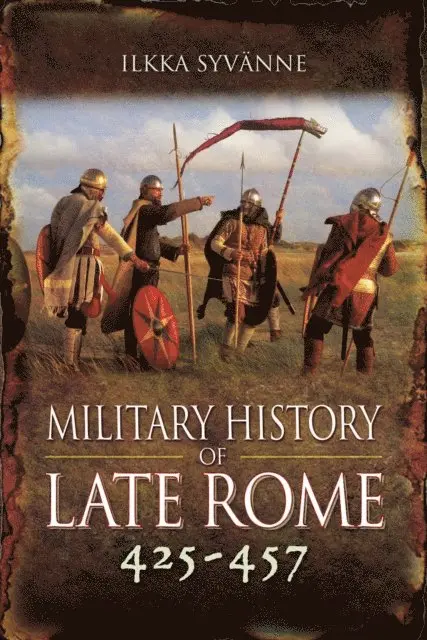
A history of pivotal military and political events in Ancient Rome from 425 to 457 BC.Military History of Late Rome 425–457 analyses in great detail how the Romans coped with the challenge posed by masses of Huns in a situation in which the Germanic tribes had gained a permanent foothold in the territories of West Rome. This analysis reassesses the strategy and tactics of the period. The book shows how cooperation between the West Roman Master of Soldiers, Aetius, and East Roman Emperor Marcian saved Western civilization from the barbarian nightmare posed by the Huns of Attila. A fresh appraisal of the great clash at the Catalaunian Fields in 451 offers new insights into the mechanics of the fighting and shows that it was a true battle of nations which decided nothing less than the fate of human civilization. Had Aetius and his allies lost the battle and had Marcian not cooperated with Aetius in 451 and 452, we would not have seen the rise of the West and the rise of the scientific thinking.Praise for Military History of Late Rome 425–457"An outstanding work . . . [the series] gives us a very good picture of the long process that has come to be known as the "Fall of Rome". This is an invaluable read for anyone with an interest in Late Antiquity." —The NYMAS Review
E-bok
PDF, Engelska, 202086 kr
Läs direkt efter köp
A history of pivotal military and political events in Ancient Rome from 425 to 457 BC.Military History of Late Rome 425–457 analyses in great detail how the Romans coped with the challenge posed by masses of Huns in a situation in which the Germanic tribes had gained a permanent foothold in the territories of West Rome. This analysis reassesses the strategy and tactics of the period. The book shows how cooperation between the West Roman Master of Soldiers, Aetius, and East Roman Emperor Marcian saved Western civilization from the barbarian nightmare posed by the Huns of Attila. A fresh appraisal of the great clash at the Catalaunian Fields in 451 offers new insights into the mechanics of the fighting and shows that it was a true battle of nations which decided nothing less than the fate of human civilization. Had Aetius and his allies lost the battle and had Marcian not cooperated with Aetius in 451 and 452, we would not have seen the rise of the West and the rise of the scientific thinking.Praise for Military History of Late Rome 425–457"An outstanding work . . . [the series] gives us a very good picture of the long process that has come to be known as the "Fall of Rome". This is an invaluable read for anyone with an interest in Late Antiquity." —The NYMAS Review
E-bok
Engelska, 202215 kr
Läs direkt efter köp
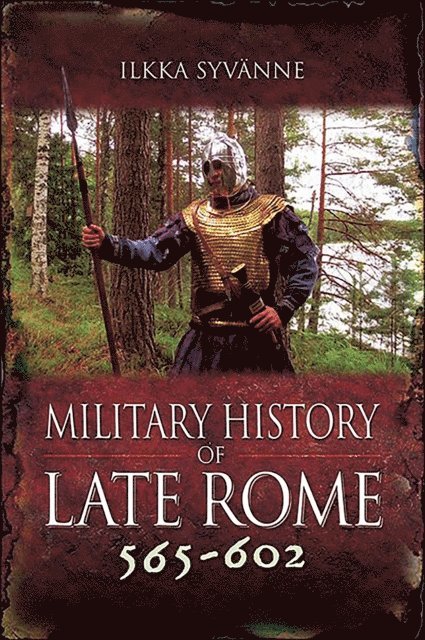
A fresh analysis of the Roman Empire in the aftermath of the reconquests of Justinian I. It is often claimed that Justinian overstretched the Roman resources, but the analysis in Military History of Late Rome 565-602 proves that view wrong. It demonstrates that the initial troubles were largely the result of the mistakes of Justin II, and that his successors, Tiberius II and Maurice, not only restored its fortunes but were, at the time of Maurice’s death, actually poised to complete the reconquests of Justinian. It was thanks to the reforms of Maurice, which were codified in the military treatise the Strategikon, that the Roman army had achieved a position of relative superiority over all of its enemies—so that by 602 the Romans had decisively defeated the Persians, Slavs, and Avars. These gains, however, were lost when Maurice was murdered in a military mutiny that brought Phocas to power. This volume explains why the Roman army overthrew one of the greatest Roman emperors who ever lived. This was an era of epic battles, so the author also pays particular attention to the period tactics and analyzes all the period battles in great detail. These include such battles as Melitene, Constantia, Sirmium, Nymphius River, Solanchon, Lake Urmiah, Plain of Canzak, Iatrus, and the epic battles of Priscus and Comentiolus in the Balkans. Praise for Military History of Late Rome 425–457 “An outstanding work . . . [the series] gives us a very good picture of the long process that has come to be known as the ‘Fall of Rome.’ This is an invaluable read for anyone with an interest in Late Antiquity.” —The NYMAS Review
E-bok
PDF, Engelska, 202215 kr
Läs direkt efter köp
A fresh analysis of the Roman Empire in the aftermath of the reconquests of Justinian I. It is often claimed that Justinian overstretched the Roman resources, but the analysis in Military History of Late Rome 565-602 proves that view wrong. It demonstrates that the initial troubles were largely the result of the mistakes of Justin II, and that his successors, Tiberius II and Maurice, not only restored its fortunes but were, at the time of Maurice’s death, actually poised to complete the reconquests of Justinian. It was thanks to the reforms of Maurice, which were codified in the military treatise the Strategikon, that the Roman army had achieved a position of relative superiority over all of its enemies—so that by 602 the Romans had decisively defeated the Persians, Slavs, and Avars. These gains, however, were lost when Maurice was murdered in a military mutiny that brought Phocas to power. This volume explains why the Roman army overthrew one of the greatest Roman emperors who ever lived. This was an era of epic battles, so the author also pays particular attention to the period tactics and analyzes all the period battles in great detail. These include such battles as Melitene, Constantia, Sirmium, Nymphius River, Solanchon, Lake Urmiah, Plain of Canzak, Iatrus, and the epic battles of Priscus and Comentiolus in the Balkans. Praise for Military History of Late Rome 425–457 “An outstanding work . . . [the series] gives us a very good picture of the long process that has come to be known as the ‘Fall of Rome.’ This is an invaluable read for anyone with an interest in Late Antiquity.” —The NYMAS Review
Inbunden, Engelska, 2019
272 kr
Skickas
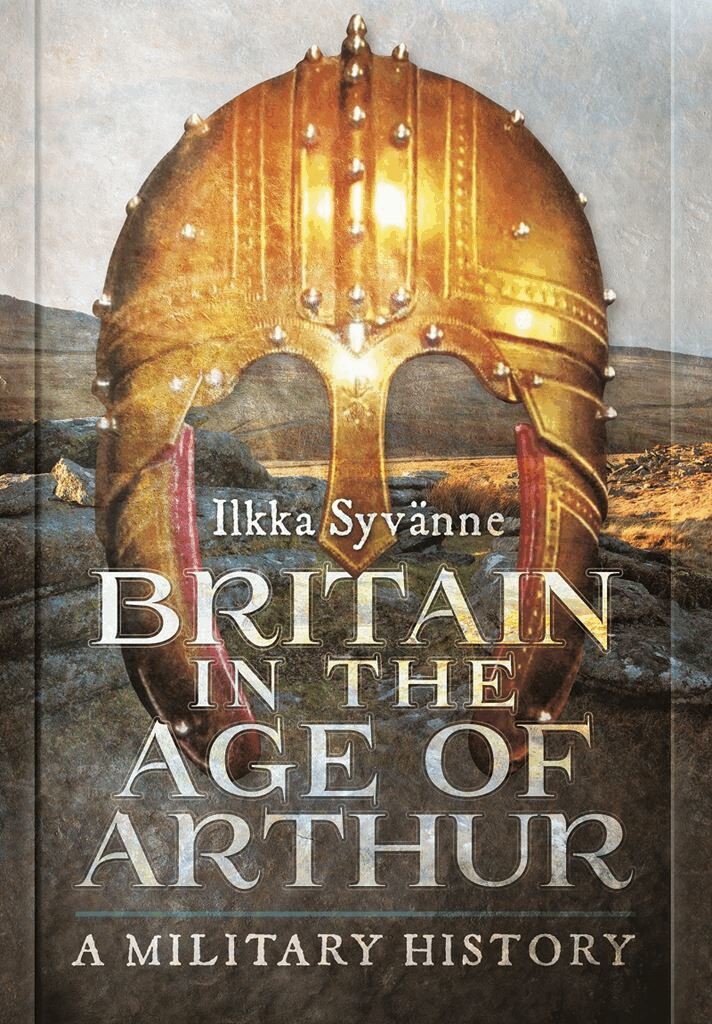
King Arthur is one of the most controversial topics of early British history. Are the legends based on a real historical figure or pure mythological invention? Ilkka Syvanne's study breaks new ground, adopting a novel approach to the sources by starting with the assumption that Arthur existed and that Geoffrey of Monmouth's account has preserved details of his career that are based on real events. He then interprets these by using 'common sense' and the perspective of a specialist in late Roman military history to form a probable picture of what really happened during the period (roughly AD 400-550). This approach allows the author to test the entire literary evidence for the existence of Arthur to see if the supposed events of his career match what is known of the events of the period, the conclusion being that in general they do. Arthur's military career is set in the context of the wider military history of Britain and Europe in this period and along the way describes the nature of armies and warfare of the period.
E-bok
Engelska, 202086 kr
Läs direkt efter köp
“[The] well known historian . . . attempts to find the elusive King Arthur through a study of the military of the period following the Fall of Rome.” —FiretrenchKing Arthur is one of the most controversial topics of early British history. Are the legends based on a real historical figure or pure mythological invention? Ilkka Syvänne’s study breaks new ground, adopting a novel approach to the sources by starting with the assumption that Arthur existed and that Geoffrey of Monmouth’s account has preserved details of his career that are based on real events. He then interprets these by using “common sense” and the perspective of a specialist in late Roman military history to form a probable picture of what really happened during the period (roughly AD 400-550). This approach allows the author to test the entire literary evidence for the existence of Arthur to see if the supposed events of his career match what is known of the events of the period, the conclusion being that in general they do. Arthur’s military career is set in the context of the wider military history of Britain and Europe in this period and along the way describes the nature of armies and warfare of the period.“Anything about Arthur is worth a read in my opinion, and this is a great addition to the growing body of work on the mythical King.” —Books Monthly
E-bok
PDF, Engelska, 202086 kr
Läs direkt efter köp
"e;[The] well known historian . . . attempts to find the elusive King Arthur through a study of the military of the period following the Fall of Rome."e; -FiretrenchKing Arthur is one of the most controversial topics of early British history. Are the legends based on a real historical figure or pure mythological invention? Ilkka Syvanne's study breaks new ground, adopting a novel approach to the sources by starting with the assumption that Arthur existed and that Geoffrey of Monmouth's account has preserved details of his career that are based on real events. He then interprets these by using "e;common sense"e; and the perspective of a specialist in late Roman military history to form a probable picture of what really happened during the period (roughly AD 400-550). This approach allows the author to test the entire literary evidence for the existence of Arthur to see if the supposed events of his career match what is known of the events of the period, the conclusion being that in general they do. Arthur's military career is set in the context of the wider military history of Britain and Europe in this period and along the way describes the nature of armies and warfare of the period. "e;Anything about Arthur is worth a read in my opinion, and this is a great addition to the growing body of work on the mythical King."e; Books Monthly
E-bok
Engelska, 202186 kr
Läs direkt efter köp
“An outstanding work . . . [the series] gives us a very good picture of the long process that has come to be known as the ‘Fall of Rome.’” —The NYMAS Review
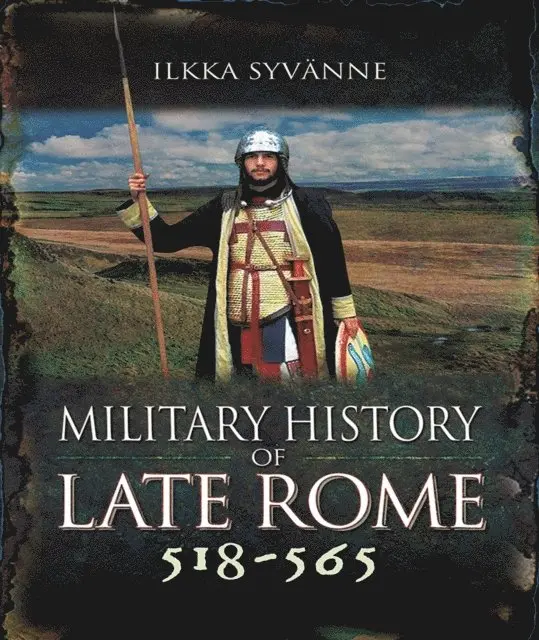
The Military History of Late Rome 518-565 provides a new, fresh analysis of the revival of Roman fortunes during the reigns of Justin I (518–527) and Justinian I (527–565). The book narrates in great detail the re-conquests of North Africa, Italy and southern Spain by Justinian’s armies. It also explores the massive encounters between the Romans and Persians in the east, and the apocalyptic fights in the Balkans between the Romans and barbarians. The author pays particular attention to the tactics and battles so there is detailed analysis of all of the period engagements, such as Dara, Satala, Callinicum, Ad Decimum, Tricamarum, Rome, Scalae Veteres, Antonia Castra, Gallica, Campi Catonis, Hippis River, Busta Gallorum, Mons Lactarius, Casilinum, Archaeopolis, Phasis, and others. The narrative features the military exploits of the great Roman heroes, such as Belisarius and Narses, while not forgetting the many other overlooked generals such as Germanus, Mundus, John the nephew of Vitalian, Martinus, Dagistheus and Sittas, not to mention the dashing hero John Troglita whose achievements were immortalized by the Roman epic poet Corippus.
E-bok
PDF, Engelska, 202186 kr
Läs direkt efter köp
The Military History of Late Rome 518-565 provides a new, fresh analysis of the revival of Roman fortunes during the reigns of Justin I (518-527) and Justinian I (527-565). The book narrates in great detail the re-conquests of North Africa, Italy and southern Spain by Justinian’s armies. It also explores the massive encounters between the Romans and Persians in the east, and the apocalyptic fights in the Balkans between the Romans and barbarians.The author pays particular attention to the tactics and battles so there is detailed analysis of all of the period engagements, such as Dara, Satala, Callinicum, Ad Decimum, Tricamarum, Rome, Scalae Veteres, Antonia Castra, Gallica, Campi Catonis, Hippis River, Busta Gallorum, Mons Lactarius, Casilinum, Archaeopolis, Phasis, and others. The narrative features the military exploits of the great Roman heroes, such as Belisarius and Narses, while not forgetting the many other overlooked generals such as Germanus, Mundus, John the nephew of Vitalian, Martinus, Dagistheus and Sittas, not to mention the dashing hero John Troglita whose achievements were immortalized by the Roman epic poet Corippus.
E-bok
Engelska, 2021158 kr
Läs direkt efter köp
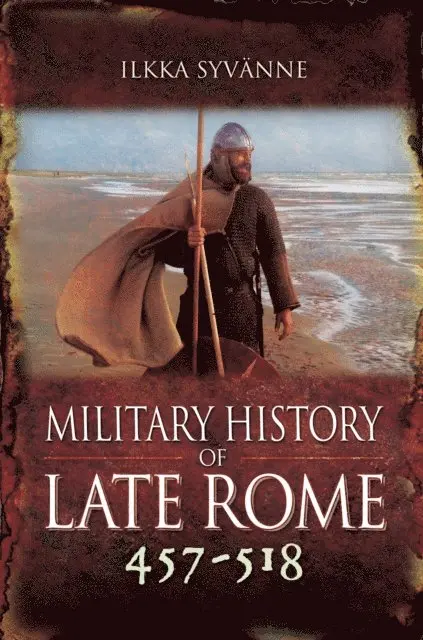
A history and military analysis of the world-changing events following the fall of the Western Roman Empire.The Military History of Late Rome 457–518 provides a fresh new look into the events that led to the collapse of West Rome, while East Rome not only survived but went on to prosper despite a series of major defeats that included, most notably, the catastrophic campaign against the Vandals in 468. The author explains what mistakes the West Romans made and what the East Romans did right to survive. He analyzes the role of the barbarian generals and military forces in this and also offers an analysis of the tactical developments during this pivotal period as a result of which the cavalry, so famous from the accounts of Procopius, became the dominant arm in the East. The book also offers a detailed study of a number of battles that have never before been subjected to such scrutiny, and puts these firmly into the context of their times. At the very end of this period in 518, East Rome was poised to start its reconquest under Anastasius’ successors Justin I and Justinian I. This book explains why this was possible.
E-bok
PDF, Engelska, 2021158 kr
Läs direkt efter köp
A history and military analysis of the world-changing events following the fall of the Western Roman Empire.The Military History of Late Rome 457–518 provides a fresh new look into the events that led to the collapse of West Rome, while East Rome not only survived but went on to prosper despite a series of major defeats that included, most notably, the catastrophic campaign against the Vandals in 468. The author explains what mistakes the West Romans made and what the East Romans did right to survive. He analyzes the role of the barbarian generals and military forces in this and also offers an analysis of the tactical developments during this pivotal period as a result of which the cavalry, so famous from the accounts of Procopius, became the dominant arm in the East.The book also offers a detailed study of a number of battles that have never before been subjected to such scrutiny, and puts these firmly into the context of their times. At the very end of this period in 518, East Rome was poised to start its reconquest under Anastasius'' successors Justin I and Justinian I. This book explains why this was possible.
Inbunden, Engelska, 2019
280 kr
Skickas
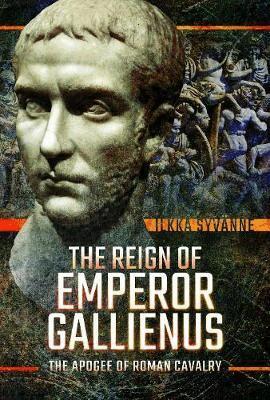
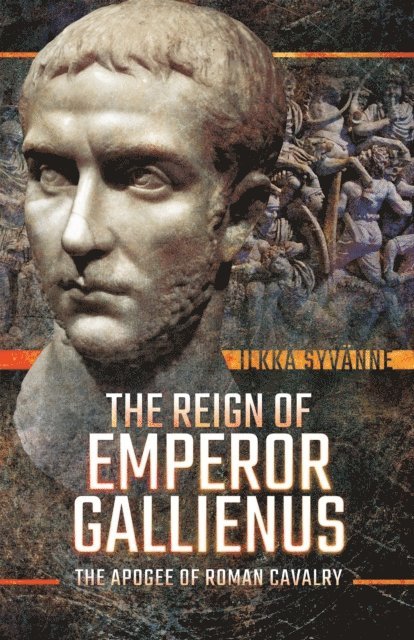
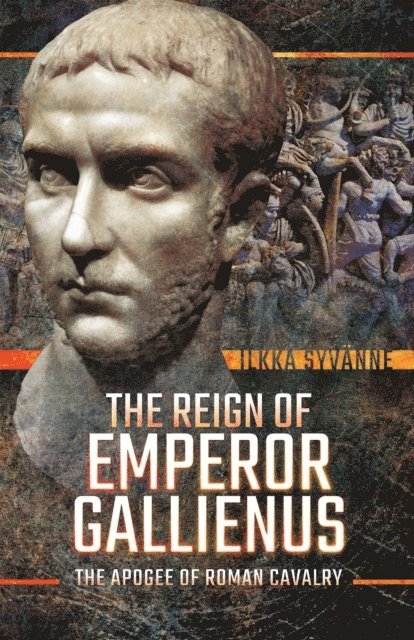
This is the only fully illustrated military life of the Emperor Publius Licinius Egnatius Gallienus (253-268). Considered the most blatantly military man of all of the soldier emperors of the third century, Gallienus is the emperor in Harry Sidebottom's bestselling Warrior of Rome novels.Gallienus faced more simultaneous usurpations and foreign invasions than any other emperor, but somehow he managed to survive. Dr. Ilkka Syvanne explains how this was possible. It was largely thanks to the untiring efforts of Gallienus that the Roman Empire survived for another 1,200 years. Gallienus was a notorious libertarian, womanizer, and cross-dresser, but he was also a fearless warrior, duellist and general all at the same time. This monograph explains why he was loved by the soldiers,yet so intensely hated by some officers that they killed him in a conspiracy.The year 2018 is the 1,800th anniversary of Gallienus' date of birth and the 1,750th anniversary of his date of death. The Reign of Gallienus celebrates the life and times of this great man.
E-bok
Engelska, 202086 kr
Läs direkt efter köp
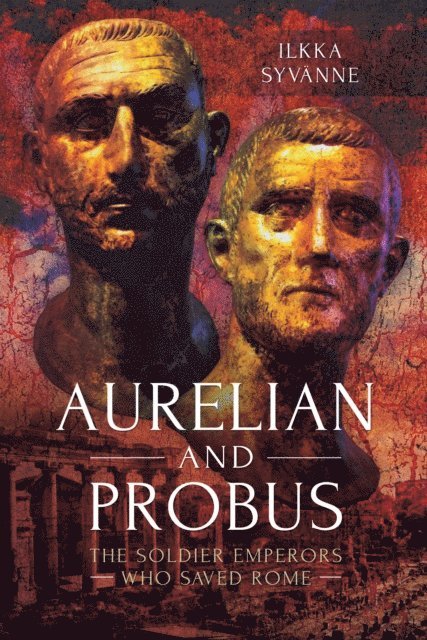
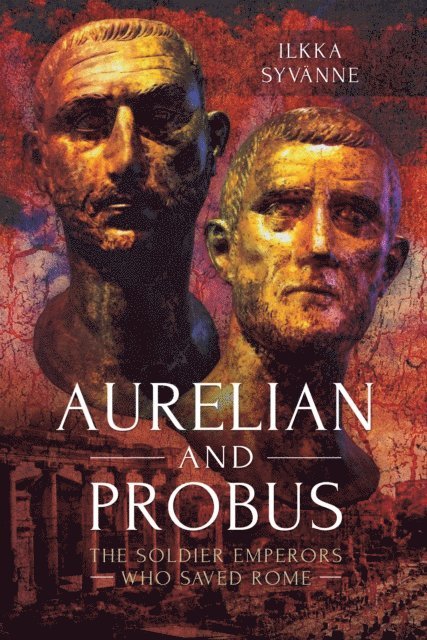
An in-depth military history of the emperors Lucius Domitius Aurelianus and Marcus Aurelius Probus.This is a narrative military history of the emperors Lucius Domitius Aurelianus (“Aurelian,” reigned 270-275) and Marcus Aurelius Probus (276-282) that also includes the other reigns between the years 268 and 285. It shows how these two remarkable emperors were chiefly responsible for the Empire surviving and emerging largely intact from a period of intense crisis. It was Aurelian who first united the breakaway regions, including Zenobia’s Palmyra, and it was Probus who then secured his achievements.The reigns of Aurelian and Probus have been subjected to many studies, but none of these have approached the extant material purely from the point of view of military analysis. Most importantly, the previous historians have not exploited the analytical opportunities provided by the military treatises that describe the strategy and tactics of the period Roman army. It is thanks to this new methodology that Ilkka Syvänne has been able to reconstruct the military campaigns of these two soldier emperors and their other contemporaries in far greater detail than has been possible before.Praise for Aurelian and Probus“A critical work… Aurelian and Probus is a very good look at a very confusing period in Roman history.” —The NYMAS Review
E-bok
PDF, Engelska, 202086 kr
Läs direkt efter köp
This is a narrative military history of the emperors Lucius Domitius Aurelianus (270-275) and Marcus Aurelius Probus (276-282). This is a narrative military history of the emperors Lucius Domitius Aurelianus ('Aurelian', reigned 270-275) and Marcus Aurelius Probus (276-282) which also includes the other reigns between the years 268 and 285. It shows how these two remarkable emperors were chiefly responsible for the Empire surviving and emerging largely intact from a period of intense crisis. It was Aurelian who first united the breakaway regions, including Zenobia's Palmyra, and it was Probus who then secured his achievements. The reigns of Aurelian and Probus have been subjected to many studies, but none of these have approached the extant material purely from the point of view of military analysis. Most importantly, the previous historians have not exploited the analytical opportunities provided by the military treatises that describe the strategy and tactics of the period Roman army. It is thanks to this new methodology that Ilkka Syvanne has been able to reconstruct the military campaigns of these two soldier emperors and their other contemporaries in far greater detail than has been possible before.
Inbunden, Engelska, 2021
272 kr
Skickas
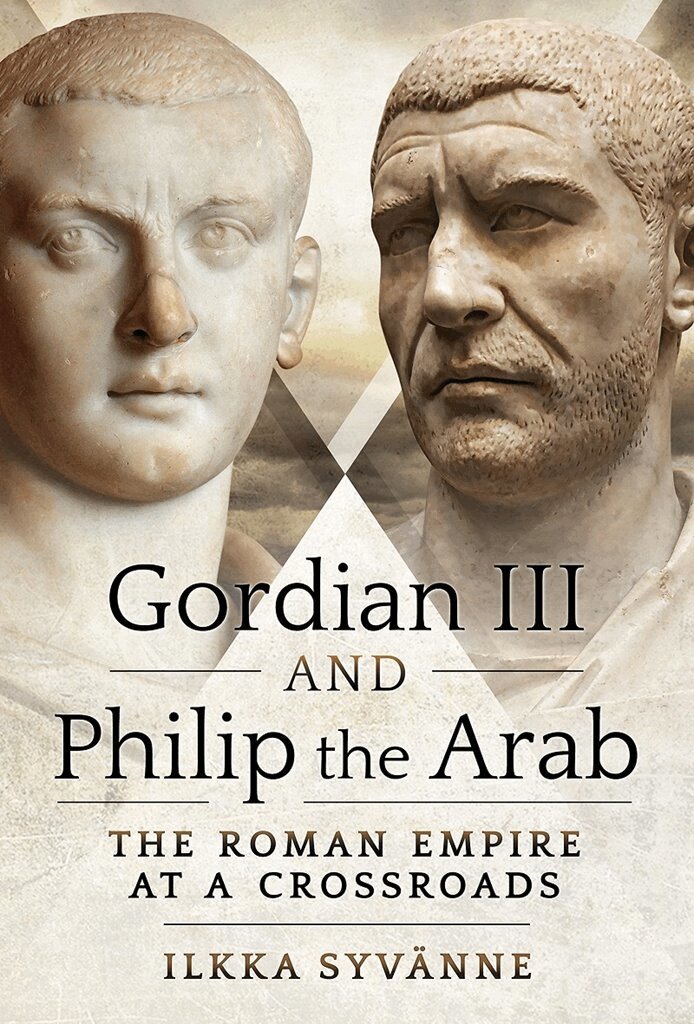
This is a dual biography of the emperors Marcus Antonius Gordianus ('Gordian III', reigned 238-244) and Marcus Julius Philippus Augustus ('Philip the Arab', reigned 244-249), focusing mainly on the political and military events during this crucial stage of the 'Third Century Crisis'. The tumultuous 'Year of the Six Emperors' saw Gordian raised to the purple at just thirteen years of age, becoming the youngest emperor in the Empire's history at a time when the borders were threatened by the powerful Sassanid Persians and the Goths, among others. Gordian died on a campaign against the Persians, either in battle or possibly murdered by his own men.Philip, succeeded Gordian, made peace with Shapur I and returned to Italy. His reign encompassed the spectacular celebration of Rome's millennium in 248 but the wars in the Balkans and East together with crippling taxation led to mutinies and rebellions. Philip and his brother had until then fought successfully against the Persians and others but this did not save Philip, who was killed by a usurper's forces at the Battle of Verona in 249\. He had been Rome's first Christian emperor and the author considers why it was fifty years before she had another.
E-bok
Engelska, 202115 kr
Läs direkt efter köp
This is a dual biography of the emperors Marcus Antonius Gordianus (‘Gordian III’, reigned 238-244) and Marcus Julius Philippus Augustus (‘Philip the Arab’, reigned 244-249), focusing mainly on the political and military events during this crucial stage of the ‘Third Century Crisis’. The tumultuous ''Year of the Six Emperors'' saw Gordian raised to the purple at just thirteen years of age, becoming the youngest emperor in the Empire’s history at a time when the borders were threatened by the powerful Sassanid Persians and the Goths, among others. Gordian died on a campaign against the Persians, either in battle or possibly murdered by his own men. Philip, succeeded Gordian, made peace with Shapur I and returned to Italy. His reign encompassed the spectacular celebration of Rome’s millennium in 248 but the wars in the Balkans and East together with crippling taxation led to mutinies and rebellions. Philip and his brother had until then fought successfully against the Persians and others but this did not save Philip, who was killed by a usurper’s forces at the Battle of Verona in 249. He had been Rome’s first Christian emperor and the author considers why it was fifty years before she had another.
E-bok
PDF, Engelska, 202115 kr
Läs direkt efter köp
This is a dual biography of the emperors Marcus Antonius Gordianus (‘Gordian III’, reigned 238-244) and Marcus Julius Philippus Augustus (‘Philip the Arab’, reigned 244-249), focusing mainly on the political and military events during this crucial stage of the ‘Third Century Crisis’. The tumultuous ''Year of the Six Emperors'' saw Gordian raised to the purple at just thirteen years of age, becoming the youngest emperor in the Empire’s history at a time when the borders were threatened by the powerful Sassanid Persians and the Goths, among others. Gordian died on a campaign against the Persians, either in battle or possibly murdered by his own men.Philip, succeeded Gordian, made peace with Shapur I and returned to Italy. His reign encompassed the spectacular celebration of Rome’s millennium in 248 but the wars in the Balkans and East together with crippling taxation led to mutinies and rebellions. Philip and his brother had until then fought successfully against the Persians and others but this did not save Philip, who was killed by a usurper’s forces at the Battle of Verona in 249. He had been Rome’s first Christian emperor and the author considers why it was fifty years before she had another.
Inbunden, Engelska, 2020
325 kr
Tillfälligt slut
This is a narrative military history of the emperors Lucius Domitius Aurelianus ( Aurelian', reigned 270-275) and Marcus Aurelius Probus (276-282) which also includes the other reigns between the years 268 and 285. It shows how these two remarkable emperors were chiefly responsible for the Empire surviving and emerging largely intact from a period of intense crisis. It was Aurelian who first united the breakaway regions, including Zenobia's Palmyra, and it was Probus who then secured his achievements.The reigns of Aurelian and Probus have been subjected to many studies, but none of these have approached the extant material purely from the point of view of military analysis. Most importantly, the previous historians have not exploited the analytical opportunities provided by the military treatises that describe the strategy and tactics of the period Roman army. It is thanks to this new methodology that Ilkka Syvanne has been able to reconstruct the military campaigns of these two soldier emperors and their other contemporaries in far greater detail than has been possible before.