Indick William Indick – författare
276 kr
Läs direkt efter köp
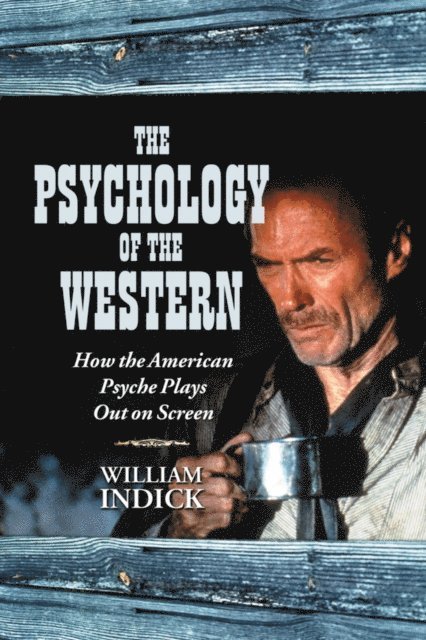
Western films are often considered sprawling reflections of the American spirit. This book analyzes the archetypes, themes, and figures within the mythology of the western frontier. Western themes are interpreted as expressions of cultural needs that perform specific psychological functions for the audience. Chapters are devoted to the frontier hero character, the roles of women and Native Americans, and the work of the genre''s most prolific directors, Anthony Mann and John Ford. The book includes a filmography and movie stills.
Instructors considering this book for use in a course may request an examination copy here.
318 kr
Läs direkt efter köp
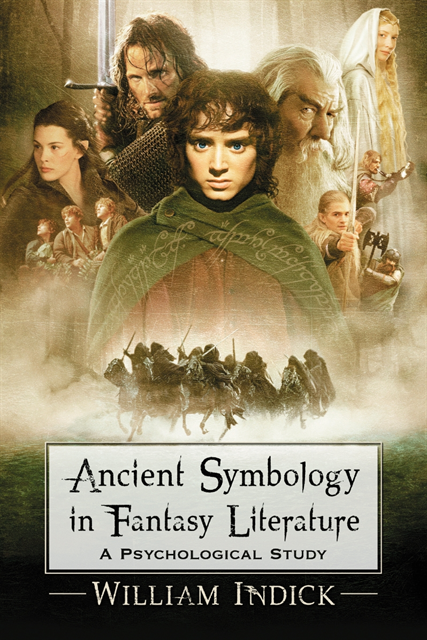
Archetypal symbols in ancient myths as well as the folktales, nursery stories, and fairytales of the Middle Ages are the blueprints of modern fantasy literature. This book explores the modern dreamscape of present-day fantasy, using the ancient myths and traditional fairytales as guides and shining the light of psychological insight onto every symbolic figure and theme encountered.
Chapters are dedicated to all of the significant archetypes: heroes and princesses, fairy godmothers and evil witches, wizards and dark lords, magic, and magical beasts are all explored. The analyses and interpretations are informed by classic psychoanalytic studies; the works of fantasy literature examined in this book include the most popular and influential in the genre.
333 kr
Läs direkt efter köp
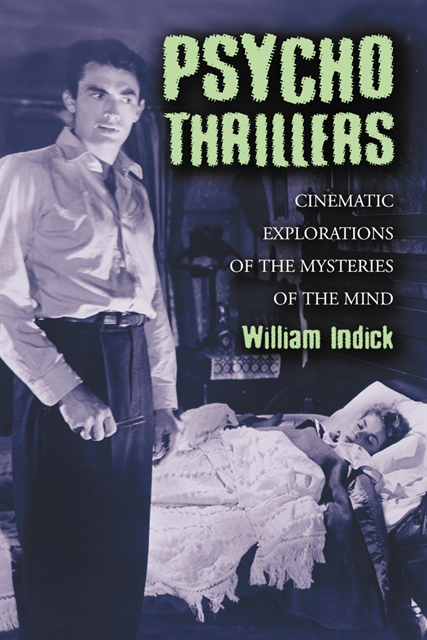
Mind control, madness and altered states of reality can make for exciting nights at the movies--which explains the enduring popularity of a film genre that might be called the psycho thriller. Psychiatry and film came of age simultaneously, and characters such as the evil psychiatrist and the pathological killer were often developed in direct reference to the psychological themes that inspired them. For example, the penchants of Hitchcock''s famously creepy Norman Bates represented real psychological disorders, and his actions were explained through psychoanalysis. The psycho thriller presents a world where psychology represents a dimension of supernatural and metaphysical wonders.
The introduction analyzes what makes a psycho thriller, and subsequent chapters are devoted to each of the archetypal psycho thriller characters (the mad scientist, the psycho killer, the individual with psychic powers, and the psychiatrist) and themes (mind control, dreams, memory, and existential issues). The concluding chapter lists the top twenty psycho thrillers. Stills from classic films in the genre illustrate the text, which also includes filmography, bibliography, and index.
485 kr
Läs direkt efter köp
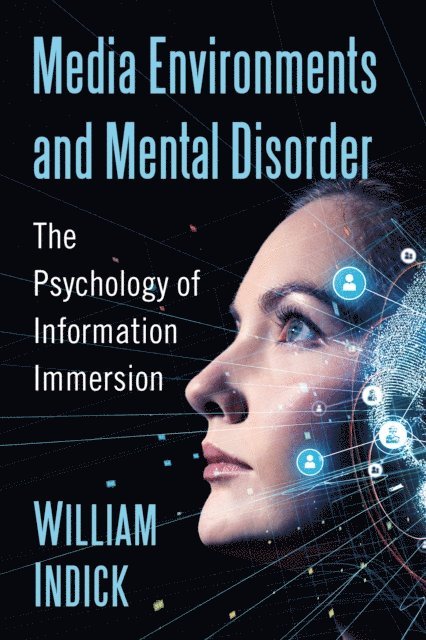
The information environments that modern society requires us to master and engage in are based in literacy and digital communication. Mediated information not only passes through our brains, it alters and rewires them. Since our environment, to a large extent, is shaped by the way we perceive, understand, and communicate information, we can even think of mental disorders as symptoms of maladaptation to our media environments.
This book uses this "media ecology" model to explore the effects of media on mental disorders. It traces the development of media from the most basic forms--the sights and sounds expressed by the human body--to the most technologically complex media created to date, showing how each medium of communication relates to specific mental disorders such as anxiety, depression, schizophrenia, and autism. As the digital age proceeds to envelop us in an environment of infinite and instantly accessible information, it''s crucial to our own mental health to understand how the various forms of media influence and shape our minds and behaviors.
359 kr
Läs direkt efter köp
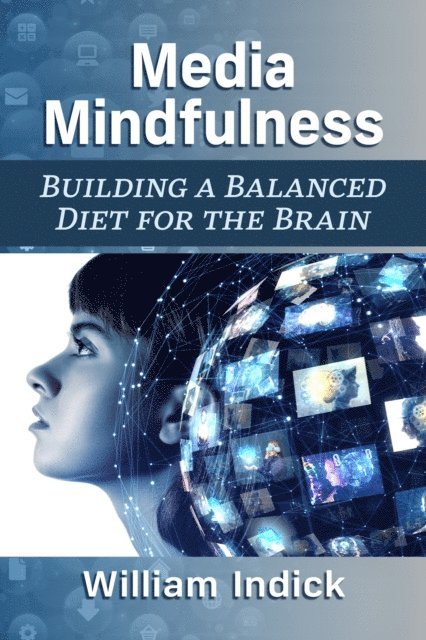
The media that capture our attention, mold our thoughts, and shape our expressions are the invisible information environments that surround us. The "Digital Age" has forced humanity to engage in daily prolonged immersion within specific media of thought that, over time, become toxic media environments and can result in a state of mental imbalance. As a process for achieving stability, practicing media mindfulness is not about disengaging, but rather having a deeper awareness of the media environments that we are immersed in--how they engage our attention, how they affect our thoughts and behaviors and, most importantly, how we can manage them to avoid their harmful effects. Simply changing one''s media environment results in a new way of attending to information and even a shift in one''s behavior and thought patterns.
This book explains why our media environments are often toxic, the effects they can have on our mental health, and steps we can take in order to practice mindful, balanced, and healthy engagement with media environments. The specific focus of this practice is on managing the psychological effects of all media. Readers will learn how to manage their media environments for optimal mental, emotional, physical, and spiritual health with the aid of a simple mantra: Change your behaviors and your thoughts will follow.