Irina Podgorny – författare
Visar alla böcker från författaren Irina Podgorny. Handla med fri frakt och snabb leverans.
4 produkter
4 produkter
Inbunden, Engelska, 2014
698 kr
Skickas inom 5-8 vardagar
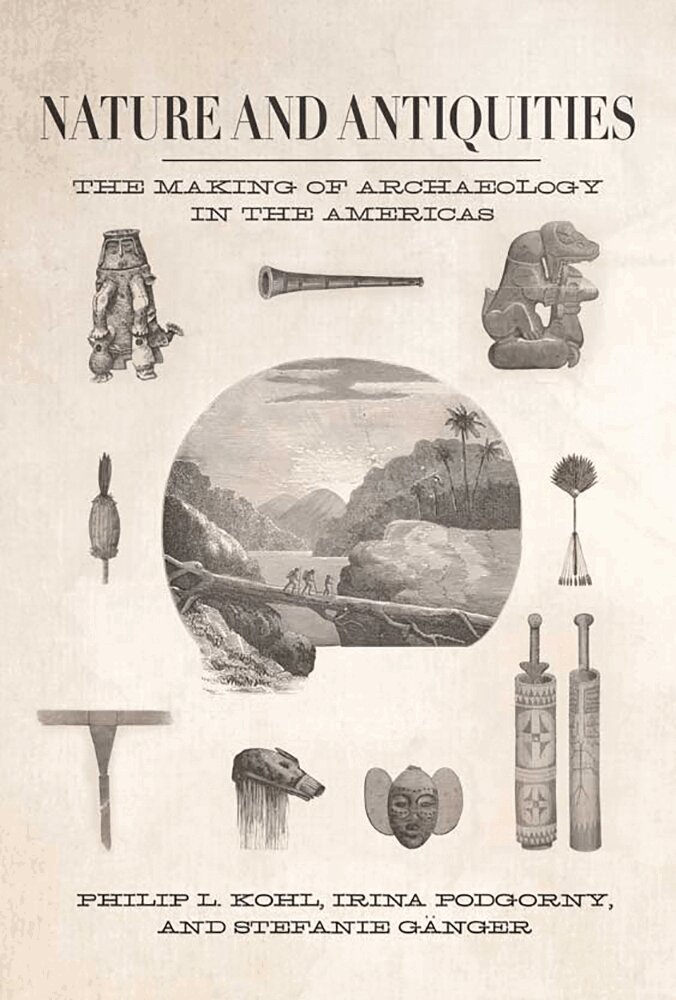
Nature and Antiquities examines the relation between the natural sciences, anthropology, and archaeology in the Americas in the nineteenth and early twentieth centuries. Taking the reader across the Americas from the Southern Cone to Canada, across the Andes, the Brazilian Amazon, Mesoamerica, and the United States, the book explores the early history of archaeology from a Pan-American perspective.The volume breaks new ground by entreating archaeologists to acknowledge the importance of ways of knowing that resulted from the study of nature in the history of archaeology. Some of the contributions to this volume trace the part conventions, practices, and concepts from natural history and the natural sciences played in the history and in the making of the discipline. Others set out to uncover, reassemble, or adjust our vision of collections that research historians of archaeology have disregarded or misrepresented – because their nineteenth-century makers would refuse to comply with today's disciplinary borders and study natural specimens and antiquities in conjunction, under the rubric of the territorial, the curious or the universal. Other contributions trace the socio-political implications of studying nature in conjunction with ""indigenous peoples"" in the Americas – inquiring into what it meant and entailed to comprehend the inhabitants of the American continent in and through a state of nature.
Häftad, Engelska, 2024
408 kr
Skickas inom 5-8 vardagar
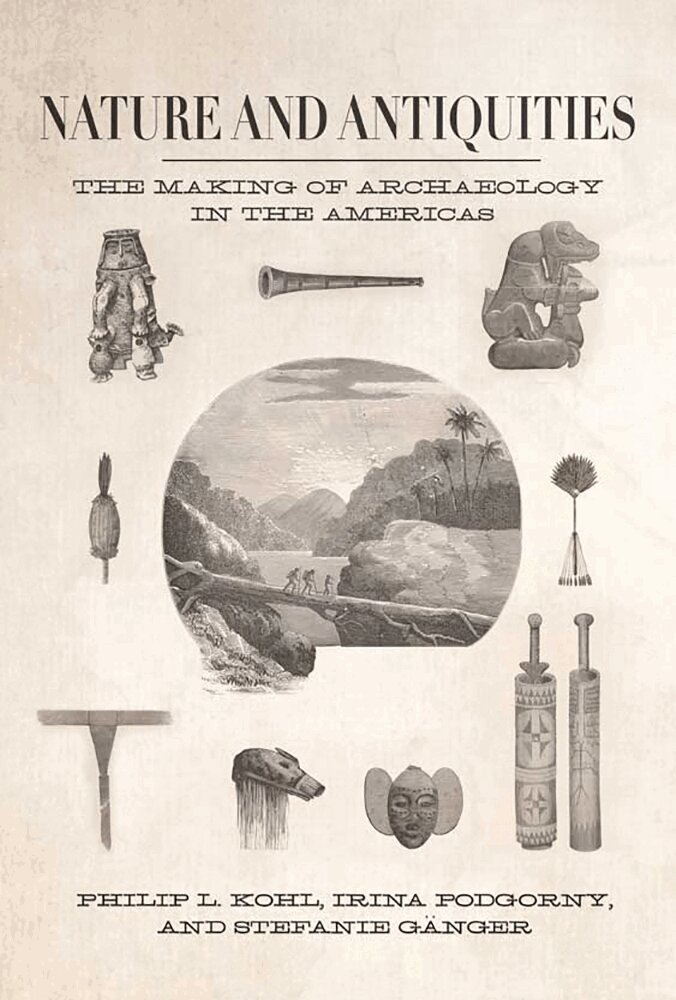
Nature and Antiquities examines the relation between the natural sciences, anthropology, and archaeology in the Americas in the nineteenth and early twentieth centuries. Taking the reader across the Americas from the Southern Cone to Canada, across the Andes, the Brazilian Amazon, Mesoamerica, and the United States, the book explores the early history of archaeology from a Pan-American perspective. The volume breaks new ground by entreating archaeologists to acknowledge the importance of ways of knowing that resulted from the study of nature in the history of archaeology. Some of the contributions to this volume trace the part conventions, practices, and concepts from natural history and the natural sciences played in the history and making of the discipline. Others set out to uncover, reassemble, or adjust our vision of collections that research historians of archaeology have disregarded or misrepresented - because their nineteenth-century makers would refuse to comply with today's disciplinary borders and study natural specimens and antiquities in conjunction, under the rubric of the territorial, the curious or the universal. Other contributions trace the sociopolitical implications of studying nature in conjunction with 'indigenous peoples' in the Americas - inquiring into what it meant and entailed to comprehend the inhabitants of the American continent in and through a state of nature.
E-bok
PDF, Spanska, 2026154 kr
Läs direkt efter köp
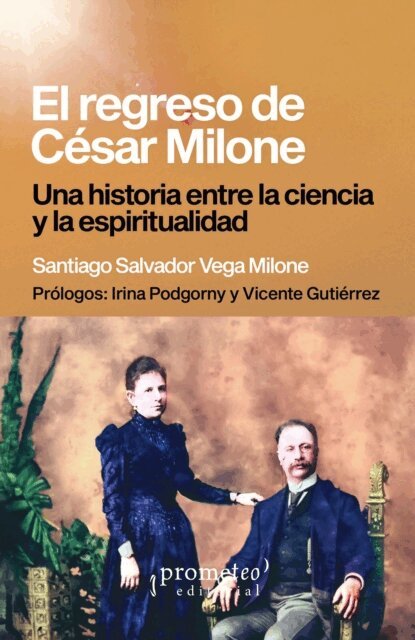
A los 17 anos Noa tuvo un sueno en el cual le decian que debia recuperar el legado de los Milone. Doce anos despues responde a este sueno e inicia una investigacion apasionante junto a personas como Vicente Gutierrez (medico destacado), Barbara Ciani (historiadora), Gianfranco Perri (ingeniero, historiador y escritor) y muchas personas mas para descubrir quien fue Cesar Milone. Se introduce tanto en la investigacion que su yo se desvanece y ya no sabe cuales son sus creencias. Comienza a comunicarse con un mundo espiritual paralelo, pero, a pesar de esto, nunca pierde el foco de la importancia ni el objetivo de esta historia: presentar la biografia de Cesar Milone. Luego, todo lo demas merece un gracias... Santiago Salvador Vega Milone nacio en el barrio de la Paternal en el ano 1967. El octavo de ocho hermanos a los cuales pudo observar y de quienes pudo aprender. Amante del deporte y la reflexion se convirtio en Docente de Educacion Tecnologica y de Acrobacia, deporte que practico desde muy joven. A los 15 anos decidio estudiar la vida y a los 19 anos tuvo una "e;shock mental sobre la nocion del tiempo"e; sintio que pudo comprenderlo y esto lo llevo a una constante investigacion sobre la vida sin los deberes. Durante diez anos estudio en talleres literarios y filosoficos hasta que empezo a escribir el libro Renacer del propio ser al propio querer los 24 anos. Luego estudio la carrera de Coaching para tener herramientas en la comunicacion, fundo su propia Escuela de Acrobacia y se anoto en la carrera de Filosofia la que cursa actualmente. Cuando penso que iba a escribir un libro solo, de manera irrespetuosa, lo vinieron a buscar cuatro libros mas formando un sistema filosofico que aun estudia para comprenderlo. Este libro corresponde al numero dos demostrando que puede suceder si no se persiguen tantos deberes y se escucha y se sigue por un instante al querer.
E-bok
Spanska, 2021127 kr
Läs direkt efter köp
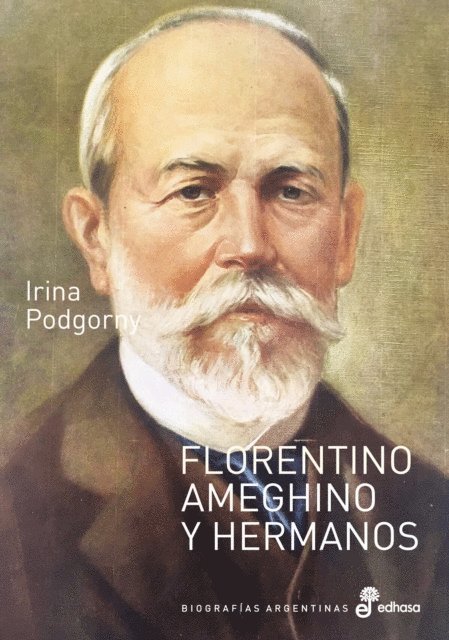
A finales del siglo XIX, las ciencias en la Argentina eran un mundo por construir. En particular la arqueología y la paleontología, la investigación del pasado remoto. La palabra prehistoria apenas se usaba. En ese entonces, hacia 1870, un joven llamado Florentino Ameghino, maestro en una escuela de Mercedes, en la Provincia de Buenos Aires, decide cambiar su profesión por la búsqueda de huesos, de las huellas de la vida antigua en el continente americano. Con la ayuda de sus amigos de Mercedes y Luján y una capacidad de trabajo a prueba de cualquier contratiempo, Ameghino inicia una carrera fulgurante. Sus descubrimientos, su talento para que alcancen notoriedad pública, lo vuelven una figura de referencia. En 1878 viaja a París para la Exposición Universal, escribe libros, compra y vende piezas paleontológicas, aprende –de la mano de colegas y comerciantes europeos y estadounidenses- a observar estratos, a preparar fósiles, a clasificarlos. Se casa y regresa a Buenos Aires, donde suma a sus hermanos a su cruzada, rastrea en el norte y en el sur los restos que validen sus teorías, se bate en polémicas con colegas argentinos y extranjeros que desconfían mientras otros aplauden sus hallazgos, presiona a las autoridades nacionales y provinciales para que apoyen sus investigaciones y funden un Museo. Nunca solo, pero –a veces- mal asesorado. O por lo menos, sorprendido por la política de un país imprevisible. Cuando muere en 1911, nace el Sabio Nacional. Irina Podgorny, con una prosa exquisita y una investigación exhaustiva, reconstruye la vida de Florentino Ameghino y las tramas del saber y la política, de la prensa y la enseñanza, donde batalló sin descanso, con suerte diversa, pero sin rendirse jamás. Su libro es una biografía de una figura impar y de una Argentina que en muchos aspectos todavía estaba en formación, que premiaba el rigor pero también los emprendimientos de los aventureros y los cantamañanas.