Jack Kyte – författare
Visar alla böcker från författaren Jack Kyte. Handla med fri frakt och snabb leverans.
8 produkter
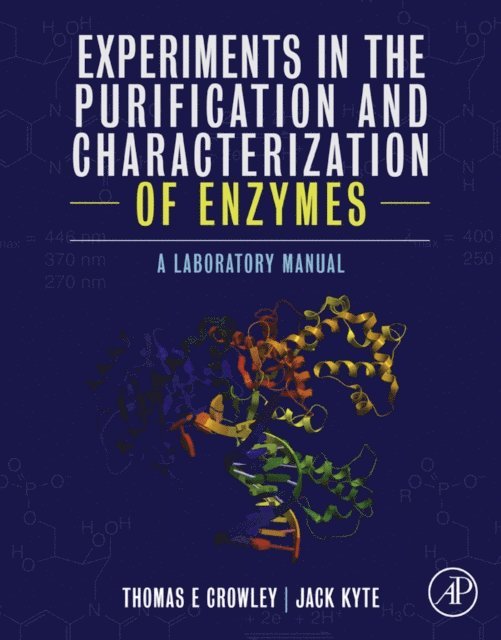
Experiments in the Purification and Characterization of Enzymes
A Laboratory Manual
Av Thomas E. Crowley, Jack Kyte
Häftad, 2014
788 kr
Lägg i varukorg
Experiments in the Purification and Characterization of Enzymes: A Laboratory Manual provides students with a working knowledge of the fundamental and advanced techniques of experimental biochemistry. Included are instructions and experiments that involve purification and characterization of …
Experiments in the Purification and Characterization of Enzymes
A Laboratory Manual
Av Jack Kyte, Thomas E. Crowley
E-bok, 2014
862 kr
Lägg i varukorg
Experiments in the Purification and Characterization of Enzymes: A Laboratory Manual provides students with a working knowledge of the fundamental and advanced techniques of experimental biochemistry. Included are instructions and experiments that involve purification and characterization of …
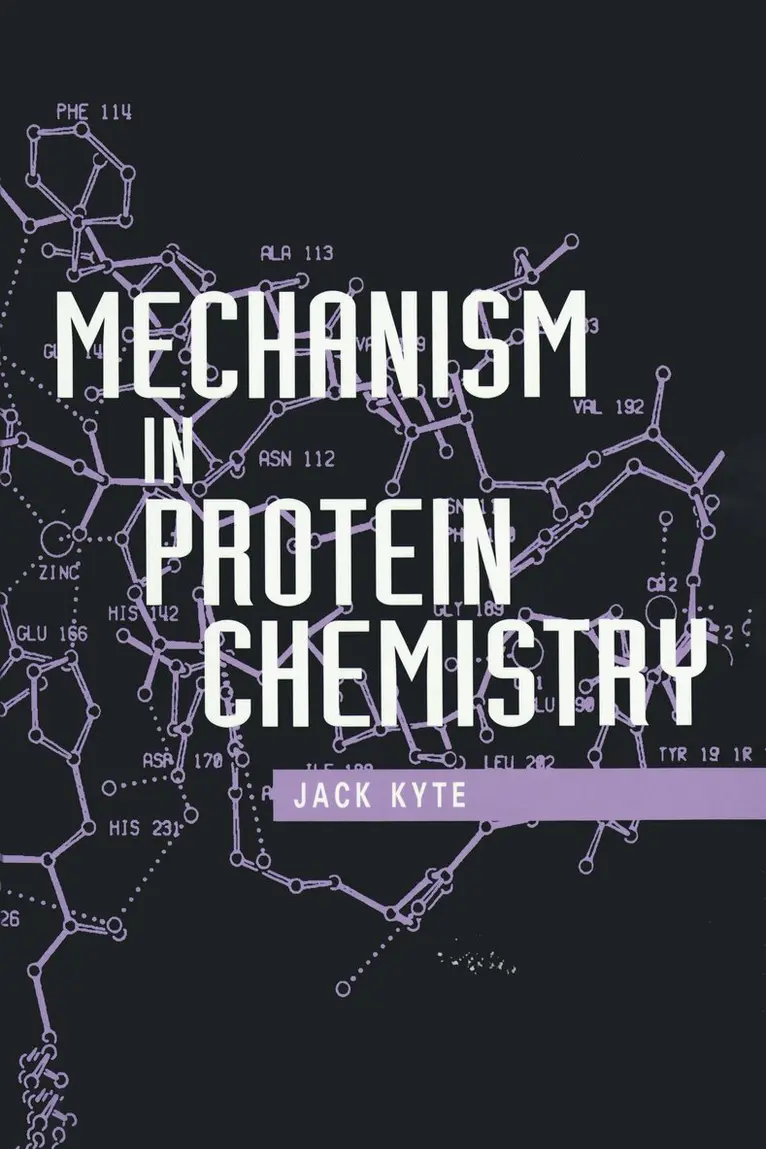
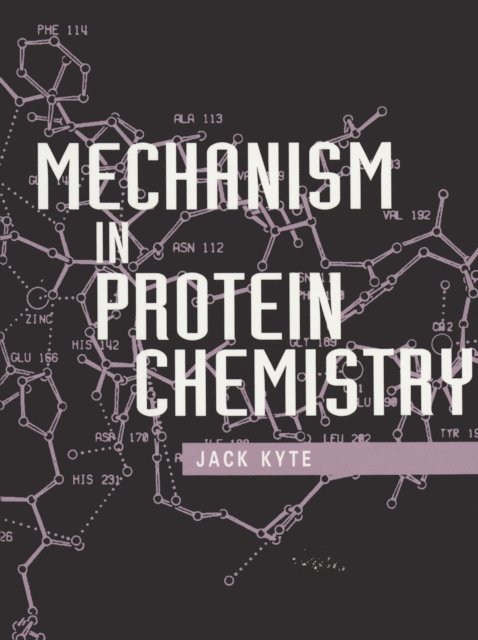
Mechanism in Protein Chemistry
Av Jack Kyte
Inbunden, 1995
3020 kr
Lägg i varukorg
Describes proteins' physical and chemical nature and how their molecular structures can be determined experimentally. Intended for upper level undergraduate and graduate students with a background in chemistry or biochemistry.
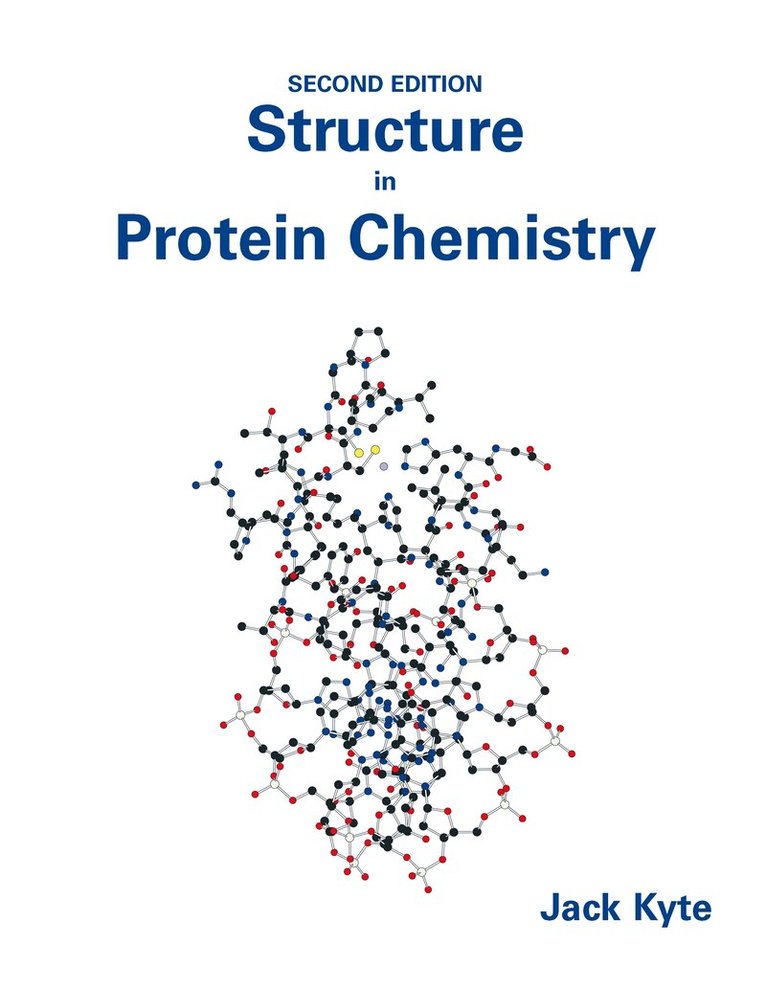
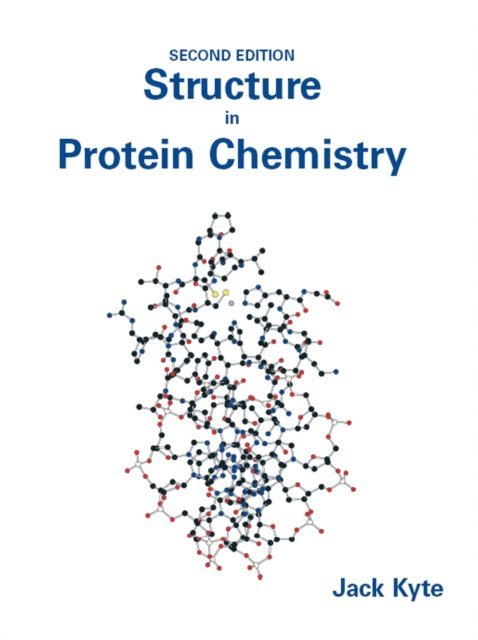
Structure in Protein Chemistry
Av Jack Kyte
Inbunden, 2006
2101 kr
Lägg i varukorg
The second edition of Structure in Protein Chemistry showcases the latest developments and innovations in the field of protein structure analysis and prediction. The book begins by explaining how proteins are purified and describes methods for elucidating their sequences of amino acids and defining …
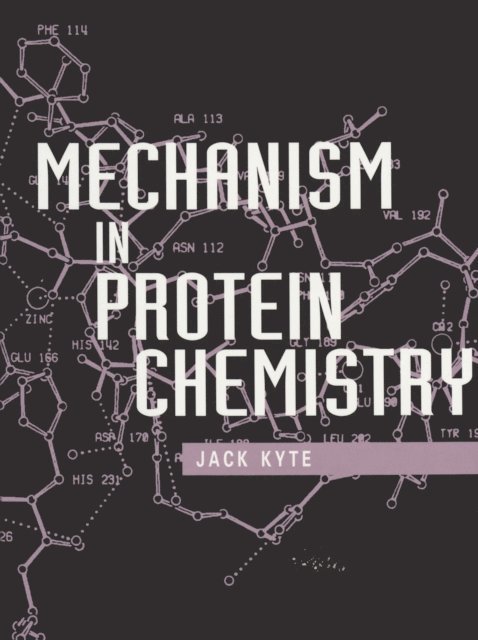
Mechanism in Protein Chemistry
Av Jack Kyte
E-bok, 2024
3636 kr
Lägg i varukorg
Describes proteins'' physical and chemical nature and how their molecular structures can be determined experimentally. Intended for upper level undergraduate and graduate students with a background in chemistry or biochemistry.
Mechanism in Protein Chemistry
Av Jack Kyte
E-bok, 2024
3521 kr
Lägg i varukorg
Describes proteins'' physical and chemical nature and how their molecular structures can be determined experimentally. Intended for upper level undergraduate and graduate students with a background in chemistry or biochemistry.
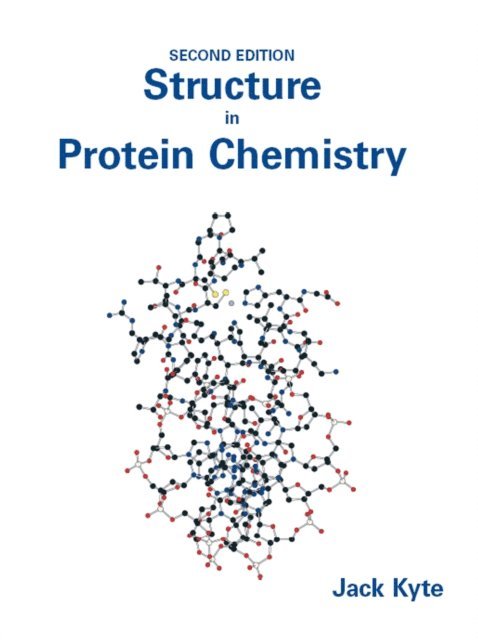
Structure in Protein Chemistry
Av Jack Kyte
E-bok, 2006
2355 kr
Lägg i varukorg
The second edition of Structure in Protein Chemistry showcases the latest developments and innovations in the field of protein structure analysis and prediction. The book begins by explaining how proteins are purified and describes methods for elucidating their sequences of amino acids and defining …
Structure in Protein Chemistry
Av Jack Kyte
E-bok, 2006
2355 kr
Lägg i varukorg
The second edition of Structure in Protein Chemistry showcases the latest developments and innovations in the field of protein structure analysis and prediction. The book begins by explaining how proteins are purified and describes methods for elucidating their sequences of amino acids and defining …