James Gelvin - Böcker
Visar alla böcker från författaren James Gelvin. Handla med fri frakt och snabb leverans.
3 produkter
3 produkter
1 164 kr
Skickas inom 3-6 vardagar
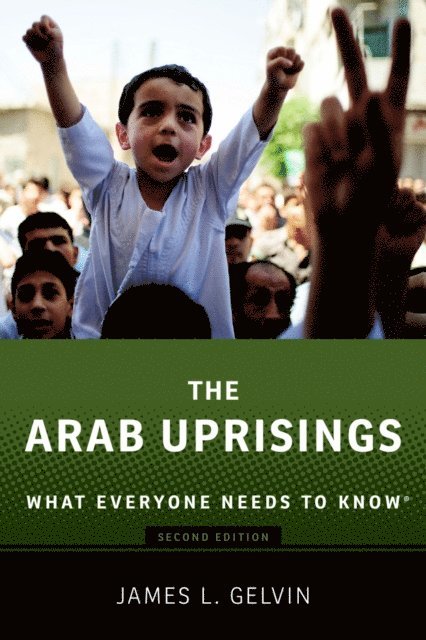
Employing an engaging question-and-answer format, The Arab Uprisings explores the revolutionary protests that have rocked the Arab world since late 2010. In this updated and revised second edition, James L. Gelvin explores the varied paths taken by the uprisings and assesses their historical and global significance. Gelvin begins with an overview-What were the conditions in the Arab world that led to the uprisings? Where did the demands for human and democratic rights and social and economic justice come from?-before turning to specific countries in the region. He examines how the long history of state-building in Tunisia and Egypt ultimately determined the paths taken by uprisings there. He explains why the weakness of state institutions in Libya and Yemen led to violence and chaos. He explores the commonalities of the "coup-proofed" states Bahrain and Syria and the tragic course of their uprisings. In the final chapter, he discusses the implications of the uprisings. What do they mean for the United States, al-Qaeda, and the balance of power in the region? What do they say about the viability of the Arab state system? What effects have they had on the Israel-Palestine conflict? What conclusions might we draw from the uprisings so far? When will we know their historical meaning?What Everyone Needs to Know® is a registered trademark of Oxford University Press.
191 kr
Skickas inom 5-8 vardagar
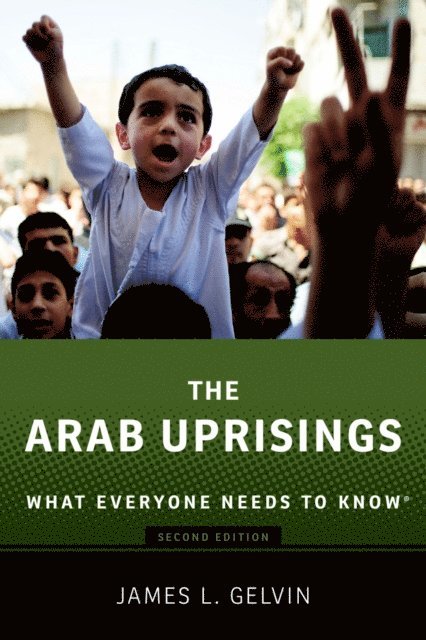
Beginning in December 2010 popular revolt swept through the Middle East, shocking the world and ushering in a period of unprecedented unrest. Protestors took to the streets to demand greater freedom, democracy, human rights, social justice, and regime change. What caused these uprisings? What is their significance? And what are their likely consequences? In an engaging question-and-answer format, this updated edition of The Arab Uprisings: What Everyone Needs to Know® explores all aspects of the revolutionary protests that have rocked the Middle East. Historian James Gelvin begins with an overview, asking questions such as: What sparked the Arab uprisings? Where did the demands for democracy and human rights come from? How appropriate is the phrase "Arab Spring"?--before turning to specific countries around the region. Shifting the emphasis from the initial upheaval itself to the spinning out of the revolutionary process, Gelvin looks at such topics as the role of youth, labor, and religious groups in Tunisia and Egypt and discusses why the military turned against rulers in both countries. Exploring the uprisings in Libya and Yemen, Gelvin explains why these two states are considered "weak," why that status is important for understanding the upheavals there, and why outside powers intervened in Libya but not in Yemen. This second edition looks more closely at the situation of individual countries affected by the uprisings. Gelvin compares two cases that defied expectations: Algeria, which experts assumed would experience a major upheaval after Egypt's, and Syria, which experts failed to foresee. He then looks at the monarchies of Morocco, Jordan, and the Gulf, exploring the commonalities and differences of protest movements in each. Reconsidering the possible historical significance of the uprisings Gelvin explores what this means for the United States and Iran. Has al-Qaeda been strengthened or weakened? What effects have the uprisings had on the Israel-Palestine conflict? What conclusions might we draw from the uprisings so far?What Everyone Needs to Know® is a registered trademark of Oxford University Press.
142 kr
Skickas
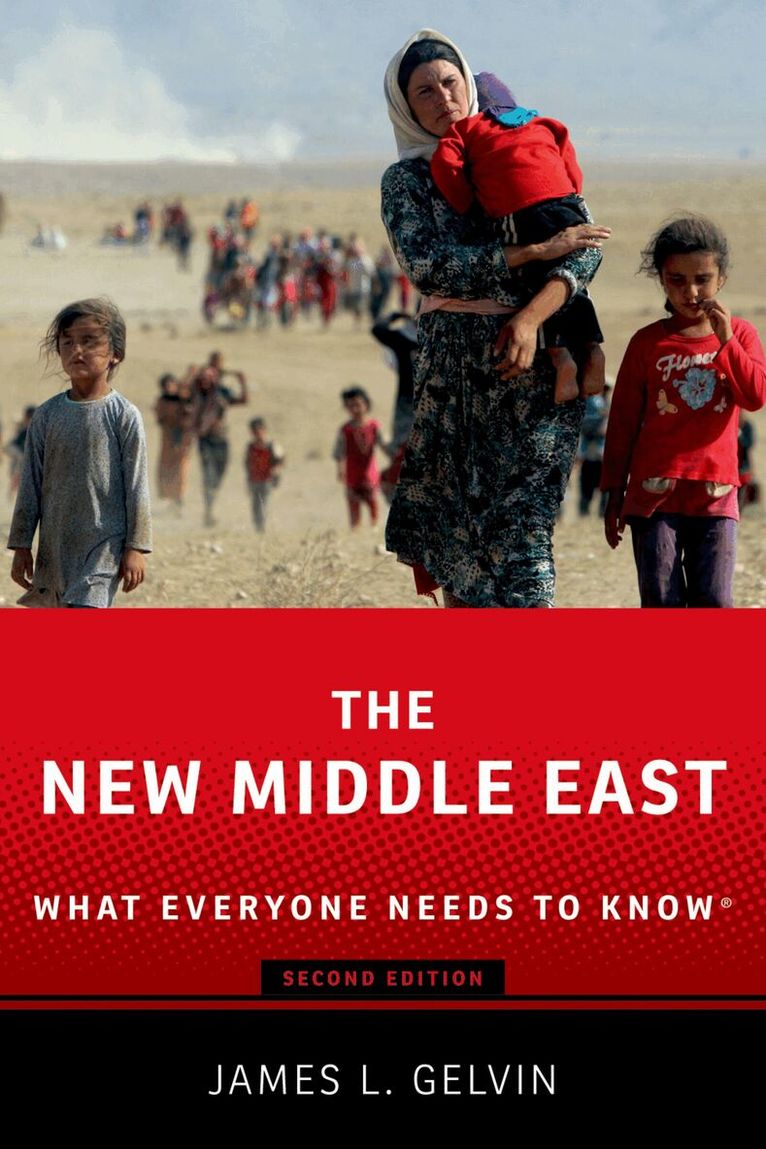
In the second edition of The New Middle East: What Everyone Needs to Know, renowned Middle East scholar James L. Gelvin explains how in the aftermath of the collapse of the USSR, the American invasion of Iraq, and the Arab uprisings of 2010-11, a new Middle East has emerged. Syria, Libya, and Yemen have become "crisis states," where warlords vie against governments and each other. The economies of Iran, Turkey, and Lebanon, weakened by corruption, sanctions, and neoliberal economic policies, have imploded. Some states have doubled-down on repression, while others intervene in the internal affairs of their neighbors with impunity. The revised and expanded edition explores these hallmarks of the New Middle East, along with the end of American hegemony in the region, the expansion of "conflict zones," the continued centrality of the Saudi-Iranian competition, and the ramifications of the breakdown of the Israel-Palestine peace process. It also highlights the crisis of human security brought on by the COVID-19 pandemic, bad governance, stagnant economies, poor healthcare and educational delivery systems, climate change, food and water insecurity, population growth and imbalance, and the unprecedented displacement of populations. In a concise question-and-answer format, Gelvin outlines the social, political, and economic contours of the New Middle East, illuminating the current crisis in the region and exploring how it is likely to evolve in the decades to come.