James J.Sheng – författare
Visar alla böcker från författaren James J.Sheng. Handla med fri frakt och snabb leverans.
6 produkter
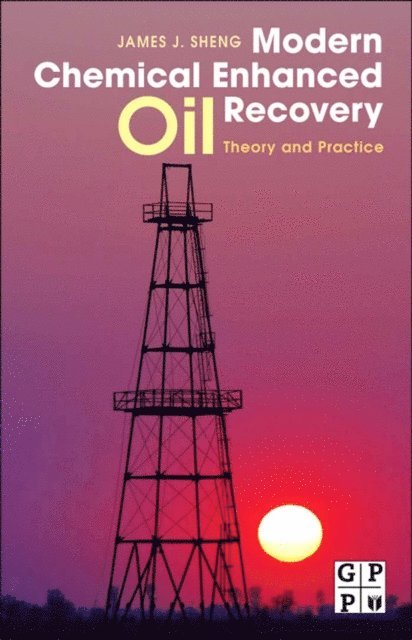
Modern Chemical Enhanced Oil Recovery
Theory and Practice
E-bok, 2010
1386 kr
Lägg i varukorg
Crude oil development and production in U.S. oil reservoirs can include up to three distinct phases: primary, secondary, and tertiary (or enhanced) recovery. During primary recovery, the natural pressure of the reservoir or gravity drive oil into the wellbore, combined with artificial lift …
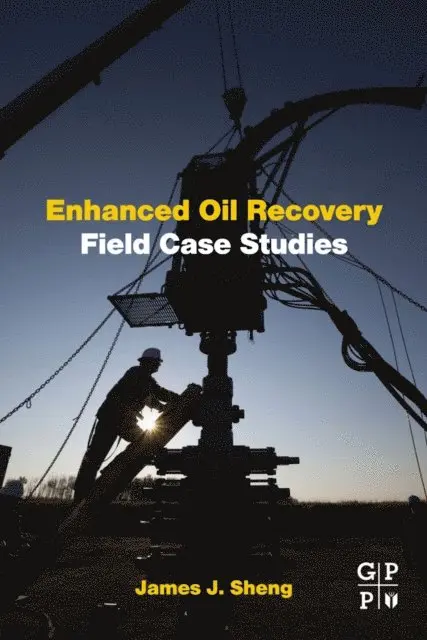
Enhanced Oil Recovery Field Case Studies
Inbunden, 2013
1200 kr
Lägg i varukorg
Enhanced Oil Recovery Field Case Studies bridges the gap between theory and practice in a range of real-world EOR settings. Areas covered include steam and polymer flooding, use of foam, in situ combustion, microorganisms, "smart water"-based EOR in carbonates and sandstones, and many more. Oil …
Enhanced Oil Recovery Field Case Studies
E-bok, 2013
1239 kr
Lägg i varukorg
Enhanced Oil Recovery Field Case Studies bridges the gap between theory and practice in a range of real-world EOR settings. Areas covered include steam and polymer flooding, use of foam, in situ combustion, microorganisms, "smart water"-based EOR in carbonates and sandstones, and many more.Oil …
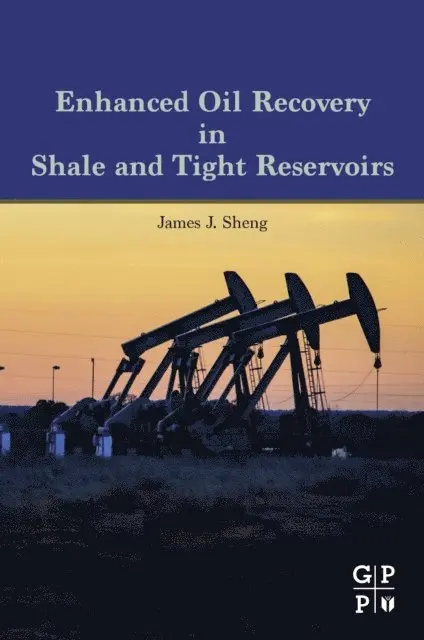
Enhanced Oil Recovery in Shale and Tight Reservoirs
Häftad, 2019
1829 kr
Lägg i varukorg
Oil Recovery in Shale and Tight Reservoirs delivers a current, state-of-the-art resource for engineers trying to manage unconventional hydrocarbon resources. Going beyond the traditional EOR methods, this book helps readers solve key challenges on the proper methods, technologies and options …
Enhanced Oil Recovery in Shale and Tight Reservoirs
E-bok, 2019
2604 kr
Lägg i varukorg
Oil Recovery in Shale and Tight Reservoirs delivers a current, state-of-the-art resource for engineers trying to manage unconventional hydrocarbon resources. Going beyond the traditional EOR methods, this book helps readers solve key challenges on the proper methods, technologies and options …
Modern Chemical Enhanced Oil Recovery
Theory and Practice
Inbunden, 2010
1470 kr
Lägg i varukorg
Crude oil development and production in U.S. oil reservoirs can include up to three distinct phases: primary, secondary, and tertiary (or enhanced) recovery. During primary recovery, the natural pressure of the reservoir or gravity drive oil into the wellbore, combined with artificial lift …