Jan Gore – författare
Visar alla böcker från författaren Jan Gore. Handla med fri frakt och snabb leverans.
5 produkter
5 produkter
Inbunden, Engelska, 2024
240 kr
Skickas
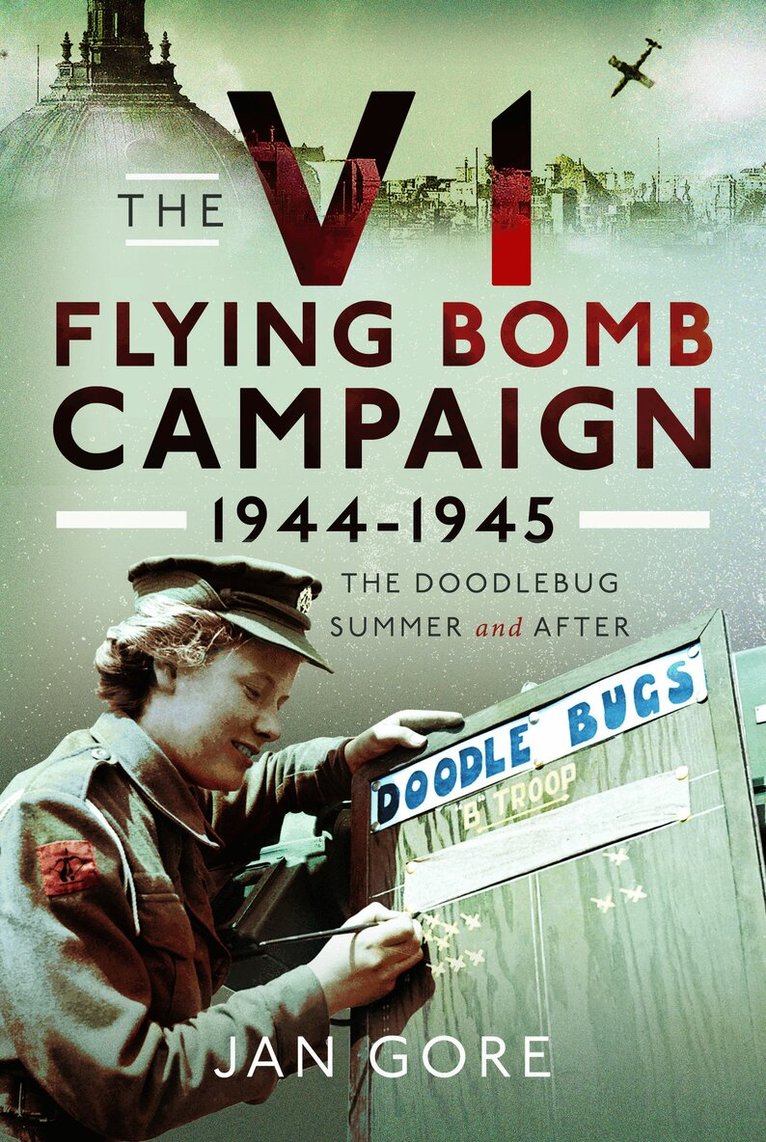
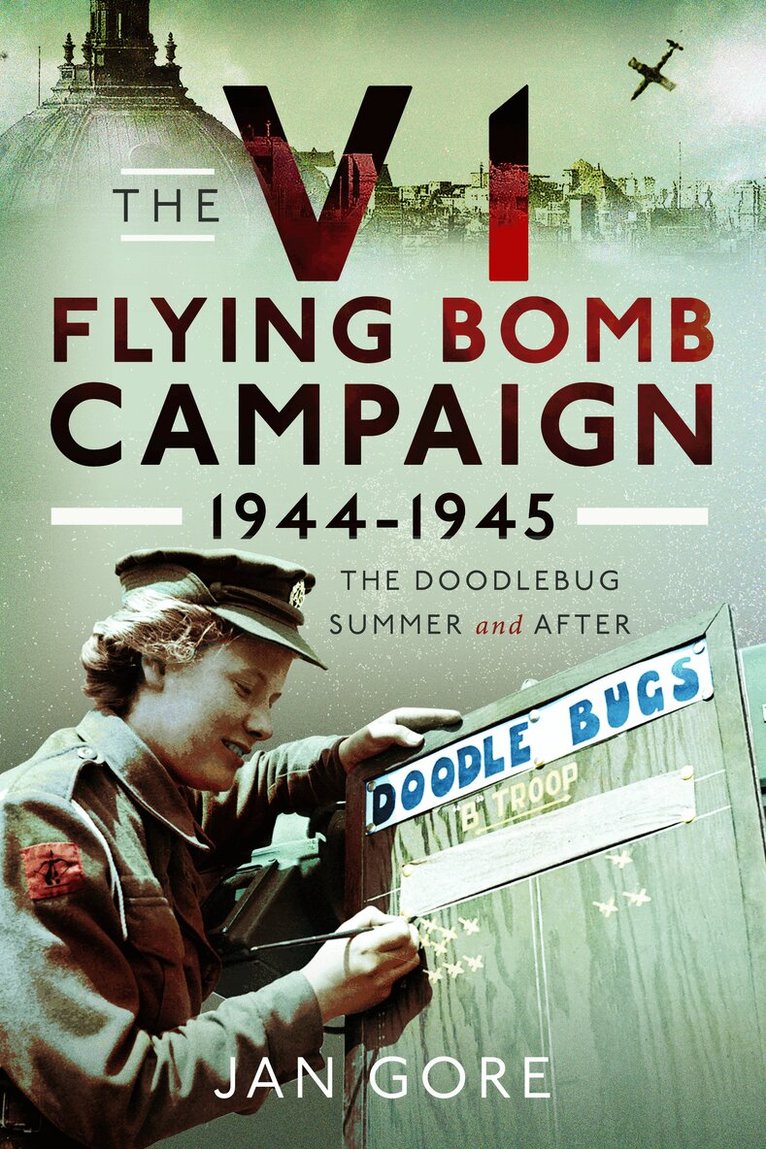
In this new study, Jan Gore assesses the success of the V1 campaign. The background to the development of the V1 will be examined, from the initial references to a mystery weapon to the gradual realisation by the British that the Germans were planning both a flying bomb (V1) and a long range rocket (V2). Once the first V1 sites were identified, the British began a strategic bombing campaign, later joined by the Americans. However, as the Normandy landings became imminent in June 1944, Hitler realised he had nothing to lose by delaying his vengeance attacks. A week after D-Day, the first V1s began to reach England. The attacks swiftly intensified. It was a very different campaign from those before. The pilotless planes could be produced cheaply and there was no need to put expensively-trained pilots at risk. The planes could be launched by day or night, whatever the weather. They were true terror weapons, as the first-hand accounts of those who lived through the attacks make clear; there was very little notice that a doodlebug explosion was imminent and so it was almost impossible to take cover. The book describes the first weekend of the attacks with the bombing of the Guards’ Chapel, the evacuation programme which followed, and the UK's defence strategies. It goes on to discuss the second phase of the attacks, including the planned bombing of Manchester, and the third phase of the campaign, where V1s were ground-launched from the Netherlands.
Häftad, Engelska, 2026
161 kr
Kommande
In this new study, Jan Gore assesses the success of the V1 campaign. The background to the development of the V1 will be examined, from the initial references to a mystery weapon to the gradual realisation by the British that the Germans were planning both a flying bomb (V1) and a long range rocket (V2).Once the first V1 sites were identified, the British began a strategic bombing campaign, later joined by the Americans. However, as the Normandy landings became imminent in June 1944, Hitler realised he had nothing to lose by delaying his vengeance attacks. A week after D-Day, the first V1s began to reach England. The attacks swiftly intensified.It was a very different campaign from those before. The pilotless planes could be produced cheaply and there was no need to put expensively-trained pilots at risk. The planes could be launched by day or night, whatever the weather. They were true terror weapons, as the first-hand accounts of those who lived through the attacks make clear; there was very little notice that a doodlebug explosion was imminent and so it was almost impossible to take cover.The book describes the first weekend of the attacks with the bombing of the Guards’ Chapel, the evacuation programme which followed, and the UK's defence strategies. It goes on to discuss the second phase of the attacks, including the planned bombing of Manchester, and the third phase of the campaign, where V1s were ground-launched from the Netherlands.
Inbunden, Engelska, 2020
262 kr
Skickas
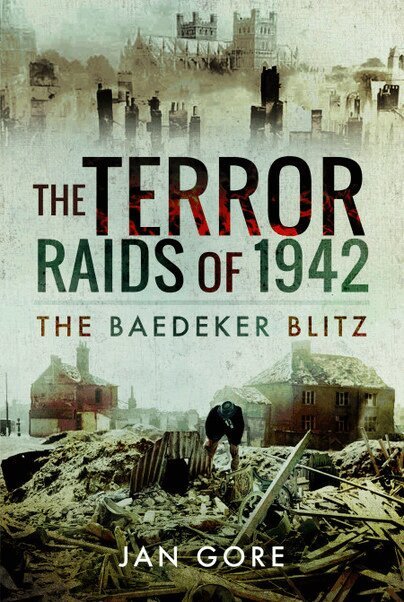
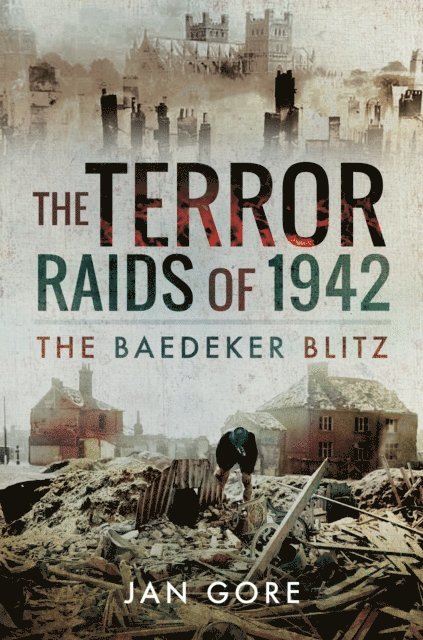
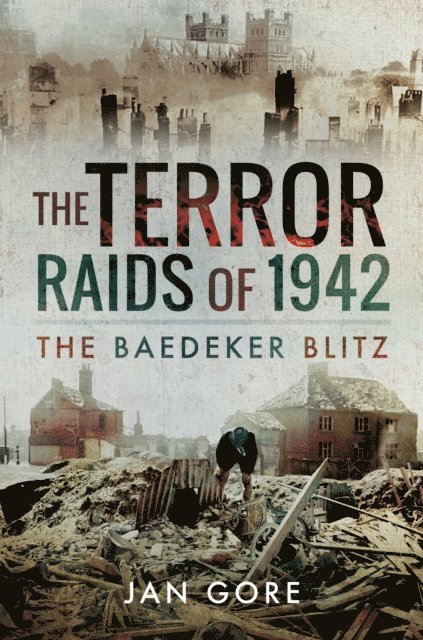
'We shall go out and bomb every building in Britain marked with three stars in the Baedeker Guide' the German Foreign Office announced in April 1942 as the Luftwaffe attacked Exeter, Bath, Norwich, York and Canterbury. Over a thousand people died. These raids were direct retaliation for RAF raids on equally historic German cities. Hitler had ordered that 'Preference is to be given...where attacks are likely to have the greatest possible effect on civilian life' and in this narrow aim - as Jan Gore shows in the first full history of the raids to be published for over twenty years - they certainly succeeded.She explains the Luftwaffe's tactics, the types of bombs that were used - high explosive, parachute mines and incendiaries - and records the devastating damage they caused. Her main focus is on the effect of the bombing on the ground. In graphic detail she describes the air raid precautions, the role of the various civil defence organisations and the direct experience of the civilians. Their recollections - many of which have not been published before - as well as newspaper articles and official reports give us a vivid impression of the raids themselves and their immediate aftermath.Jan Gore's original and painstaking research provides the fullest insight yet into the impact of this bombing campaign on Britain's home front during the Second World War.
E-bok
Engelska, 2020160 kr
Läs direkt efter köp
Meticulous research provides the fullest insight yet into the impact of this bombing campaign on Britain’s home front during the Second World War.“We shall go out and bomb every building in Britain marked with three stars in the Baedeker Guide,” the German Foreign Office announced in April 1942 as the Luftwaffe attacked Exeter, Bath, Norwich, York and Canterbury. Over a thousand people died. These raids were direct retaliation for RAF raids on equally historic German cities. Hitler had ordered that “Preference is to be given . . . where attacks are likely to have the greatest possible effect on civilian life,” and in this narrow aim—as Jan Gore shows in the first full history of the raids to be published for over twenty years—they certainly succeeded.She explains the Luftwaffe’s tactics, the types of bombs that were used—high explosive, parachute mines and incendiaries—and records the devastating damage they caused. Her main focus is on the effect of the bombing on the ground. In graphic detail she describes the air raid precautions, the role of the various civil defense organizations and the direct experience of the civilians. Their recollections—many of which have not been published before—as well as newspaper articles and official reports give us a vivid impression of the raids themselves and their immediate aftermath.“One can never understand what either side hoped to achieve by destroying historic cities and killing and maiming their citizens during a conflict such as the second world war. Jan Gore attempts to explain the thinking behind it, and the awful consequences . . . A terrific account.” —Books Monthly
E-bok
PDF, Engelska, 2020160 kr
Läs direkt efter köp
Meticulous research provides the fullest insight yet into the impact of this bombing campaign on Britain's home front during the Second World War. "e;We shall go out and bomb every building in Britain marked with three stars in the Baedeker Guide,"e; the German Foreign Office announced in April 1942 as the Luftwaffe attacked Exeter, Bath, Norwich, York and Canterbury. Over a thousand people died. These raids were direct retaliation for RAF raids on equally historic German cities. Hitler had ordered that "e;Preference is to be given . . . where attacks are likely to have the greatest possible effect on civilian life,"e; and in this narrow aim as Jan Gore shows in the first full history of the raids to be published for over twenty years they certainly succeeded. She explains the Luftwaffe's tactics, the types of bombs that were used high explosive, parachute mines and incendiaries and records the devastating damage they caused. Her main focus is on the effect of the bombing on the ground. In graphic detail she describes the air raid precautions, the role of the various civil defense organizations and the direct experience of the civilians. Their recollections many of which have not been published before as well as newspaper articles and official reports give us a vivid impression of the raids themselves and their immediate aftermath. "e;One can never understand what either side hoped to achieve by destroying historic cities and killing and maiming their citizens during a conflict such as the second world war. Jan Gore attempts to explain the thinking behind it, and the awful consequences . . . A terrific account."e; Books Monthly