Janice Cavell – författare
Visar alla böcker från författaren Janice Cavell. Handla med fri frakt och snabb leverans.
5 produkter
5 produkter
Inbunden, Engelska, 2018
973 kr
Skickas inom 5-8 vardagar
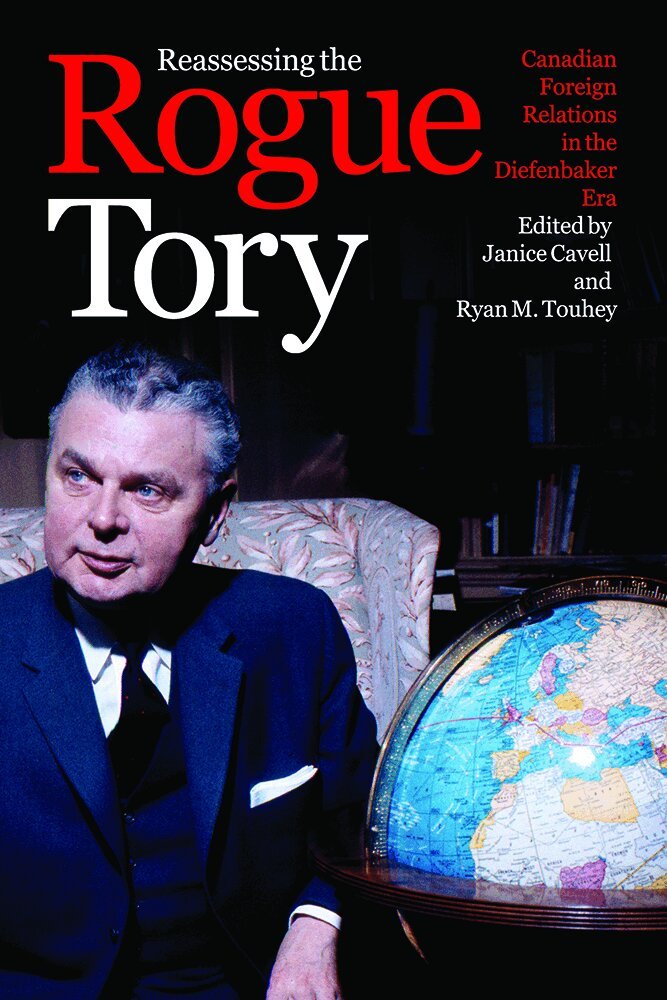
The years when John Diefenbaker's Progressive Conservatives were in office were among the most tumultuous in Canadian history. Coming to power on a surge of optimistic nationalism in 1957, the "Rogue Tory" had stirred up more controversy than any previous prime minister by the time he was defeated in 1963. This was nowhere more apparent than in his handling of international affairs.This book reassesses foreign policy in the Diefenbaker era to determine whether its failures can be mainly attributed to the prime minister's personality traits, particularly his indecisiveness, or to broader shifts in world affairs. Written by leading scholars who mine new sources of archival research, the chapters examine the full range of international issues that confronted Diefenbaker and his ministers and probe the factors that led to success or failure, decision or indecision, on specific issues. Rather than dismissing Diefenbaker as a "Rogue Tory" on the world stage, this fascinating reconsideration of the Diefenbaker years challenges readers to push beyond the conventional and reassess his record with fresh eyes.
Häftad, Engelska, 2019
369 kr
Skickas inom 5-8 vardagar
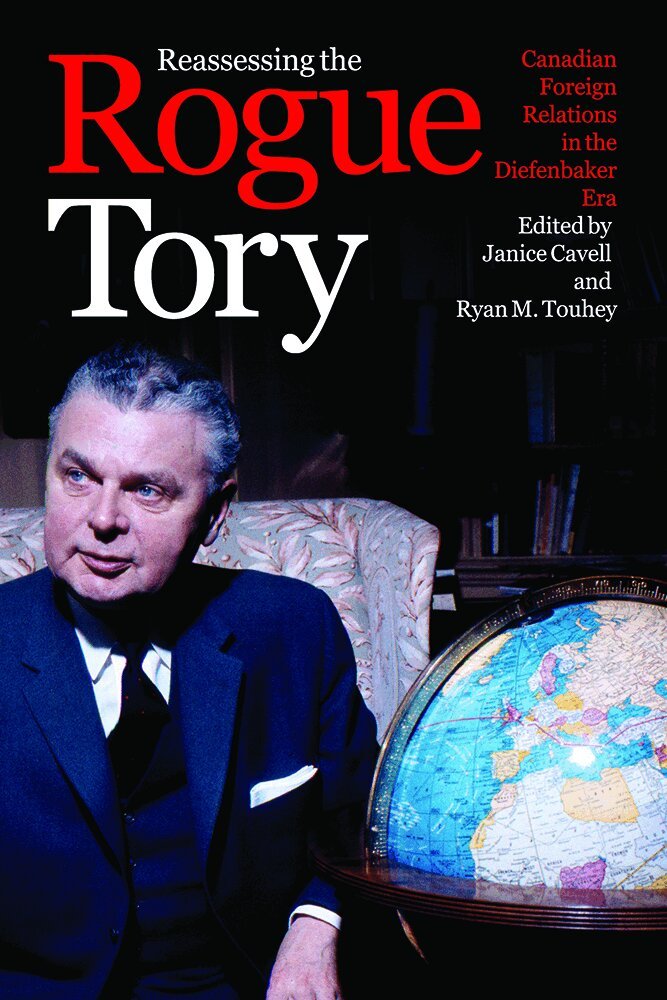
The years when John Diefenbaker's Progressive Conservatives were in office were among the most tumultuous in Canadian history. Coming to power on a surge of optimistic nationalism in 1957, the "Rogue Tory" had stirred up more controversy than any previous prime minister by the time he was defeated in 1963. This was nowhere more apparent than in his handling of international affairs.This book reassesses foreign policy in the Diefenbaker era to determine whether its failures can be mainly attributed to the prime minister's personality traits, particularly his indecisiveness, or to broader shifts in world affairs. Written by leading scholars who mine new sources of archival research, the chapters examine the full range of international issues that confronted Diefenbaker and his ministers and probe the factors that led to success or failure, decision or indecision, on specific issues. Rather than dismissing Diefenbaker as a "Rogue Tory" on the world stage, this fascinating reconsideration of the Diefenbaker years challenges readers to push beyond the conventional and reassess his record with fresh eyes.
E-bok
PDF, Engelska, 2008545 kr
Läs direkt efter köp
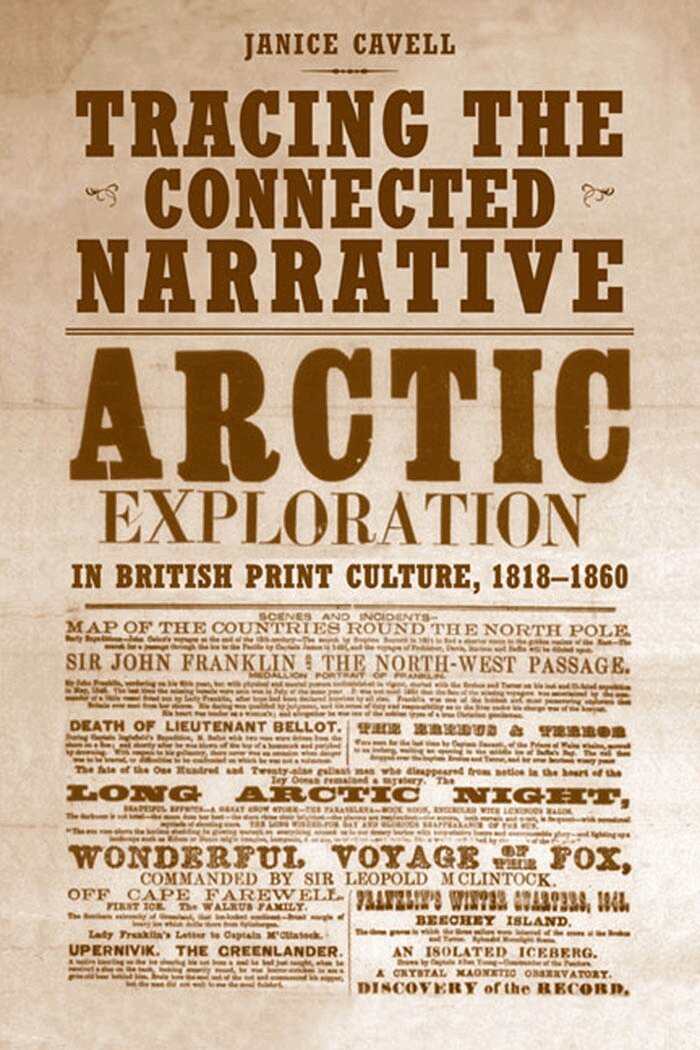
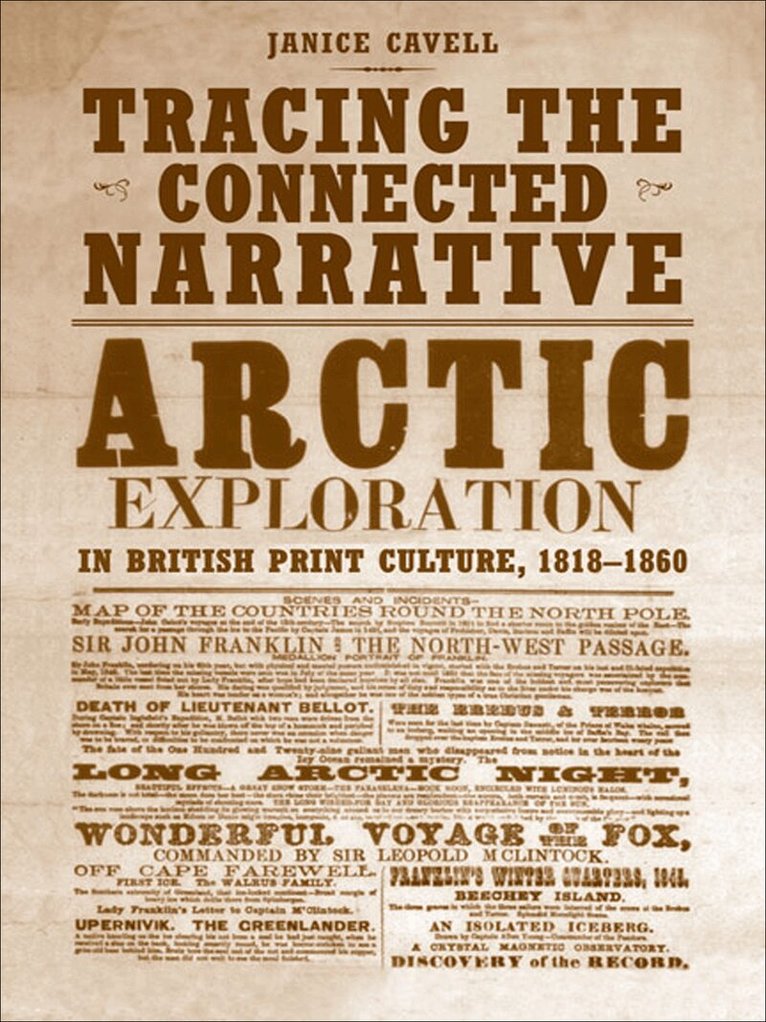
By the 1850s, journalists and readers alike perceived Britain's search for the Northwest Passage as an ongoing story in the literary sense. Because this 'story' appeared, like so many nineteenth-century novels, in a series of installments in periodicals and reviews, it gained an appeal similar to that of fiction. Tracing the Connected Narrative examines written representations of nineteenth-century British expeditions to the Canadian Arctic. It places Arctic narratives in the broader context of the print culture of their time, especially periodical literature, which played an important role in shaping the public's understanding of Arctic exploration.Janice Cavell uncovers similarities between the presentation of exploration reports in periodicals and the serialized fiction that, she argues, predisposed readers to take an interest in the prolonged quest for the Northwest Passage. Cavell examines the same parallel in relation to the famous disappearance and subsequent search for the Franklin expedition. After the fate of Sir John Franklin had finally been revealed, the Illustrated London News printed a list of earlier articles on the missing expedition, suggesting that the public might wish to re-read them in order to 'trace the connected narrative' of this chapter in the Arctic story. Through extensive research and reference to new archival material, Cavell undertakes this task and, in the process, recaptures and examines the experience of nineteenth-century readers.
E-bok
Engelska, 20081 036 kr
Läs direkt efter köp
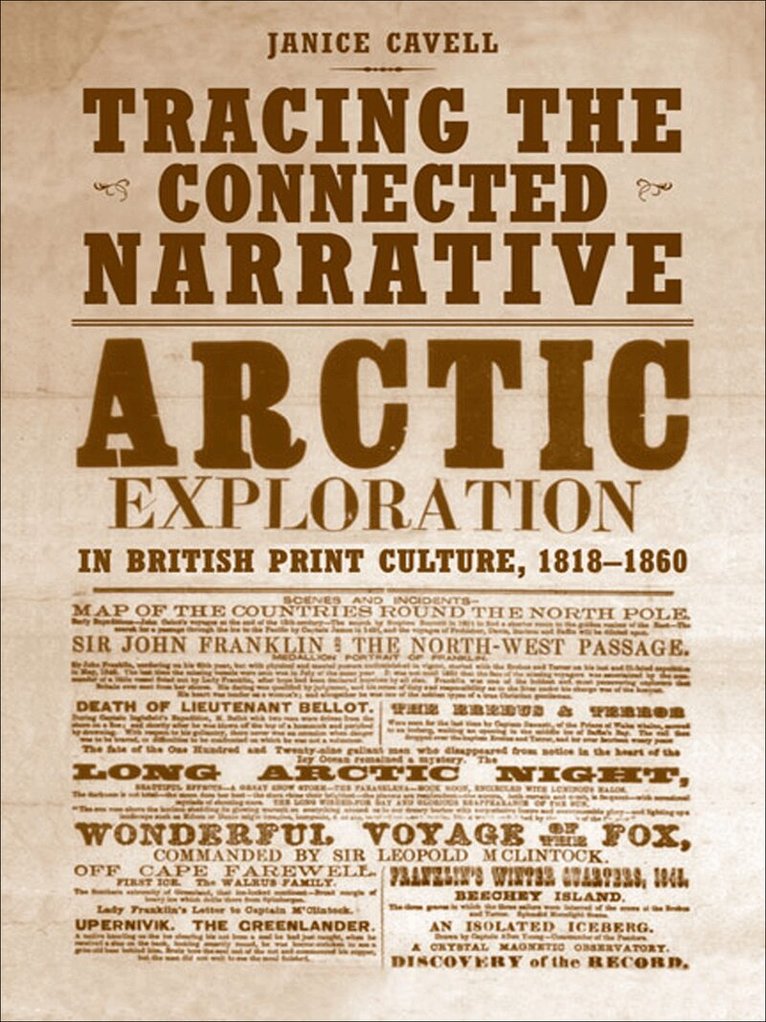
By the 1850s, journalists and readers alike perceived Britain's search for the Northwest Passage as an ongoing story in the literary sense. Because this 'story' appeared, like so many nineteenth-century novels, in a series of installments in periodicals and reviews, it gained an appeal similar to that of fiction. Tracing the Connected Narrative examines written representations of nineteenth-century British expeditions to the Canadian Arctic. It places Arctic narratives in the broader context of the print culture of their time, especially periodical literature, which played an important role in shaping the public's understanding of Arctic exploration.Janice Cavell uncovers similarities between the presentation of exploration reports in periodicals and the serialized fiction that, she argues, predisposed readers to take an interest in the prolonged quest for the Northwest Passage. Cavell examines the same parallel in relation to the famous disappearance and subsequent search for the Franklin expedition. After the fate of Sir John Franklin had finally been revealed, the Illustrated London News printed a list of earlier articles on the missing expedition, suggesting that the public might wish to re-read them in order to 'trace the connected narrative' of this chapter in the Arctic story. Through extensive research and reference to new archival material, Cavell undertakes this task and, in the process, recaptures and examines the experience of nineteenth-century readers.
Häftad, Engelska, 2023
486 kr
Skickas inom 5-8 vardagar
By the 1850s, journalists and readers alike perceived Britain's search for the Northwest Passage as an ongoing story in the literary sense. Because this 'story' appeared, like so many nineteenth-century novels, in a series of installments in periodicals and reviews, it gained an appeal similar to that of fiction. Tracing the Connected Narrative examines written representations of nineteenth-century British expeditions to the Canadian Arctic. It places Arctic narratives in the broader context of the print culture of their time, especially periodical literature, which played an important role in shaping the public's understanding of Arctic exploration.Janice Cavell uncovers similarities between the presentation of exploration reports in periodicals and the serialized fiction that, she argues, predisposed readers to take an interest in the prolonged quest for the Northwest Passage. Cavell examines the same parallel in relation to the famous disappearance and subsequent search for the Franklin expedition. After the fate of Sir John Franklin had finally been revealed, the Illustrated London News printed a list of earlier articles on the missing expedition, suggesting that the public might wish to re-read them in order to 'trace the connected narrative' of this chapter in the Arctic story. Through extensive research and reference to new archival material, Cavell undertakes this task and, in the process, recaptures and examines the experience of nineteenth-century readers.