Jeong Hye Kim – författare
Visar alla böcker från författaren Jeong Hye Kim. Handla med fri frakt och snabb leverans.
4 produkter
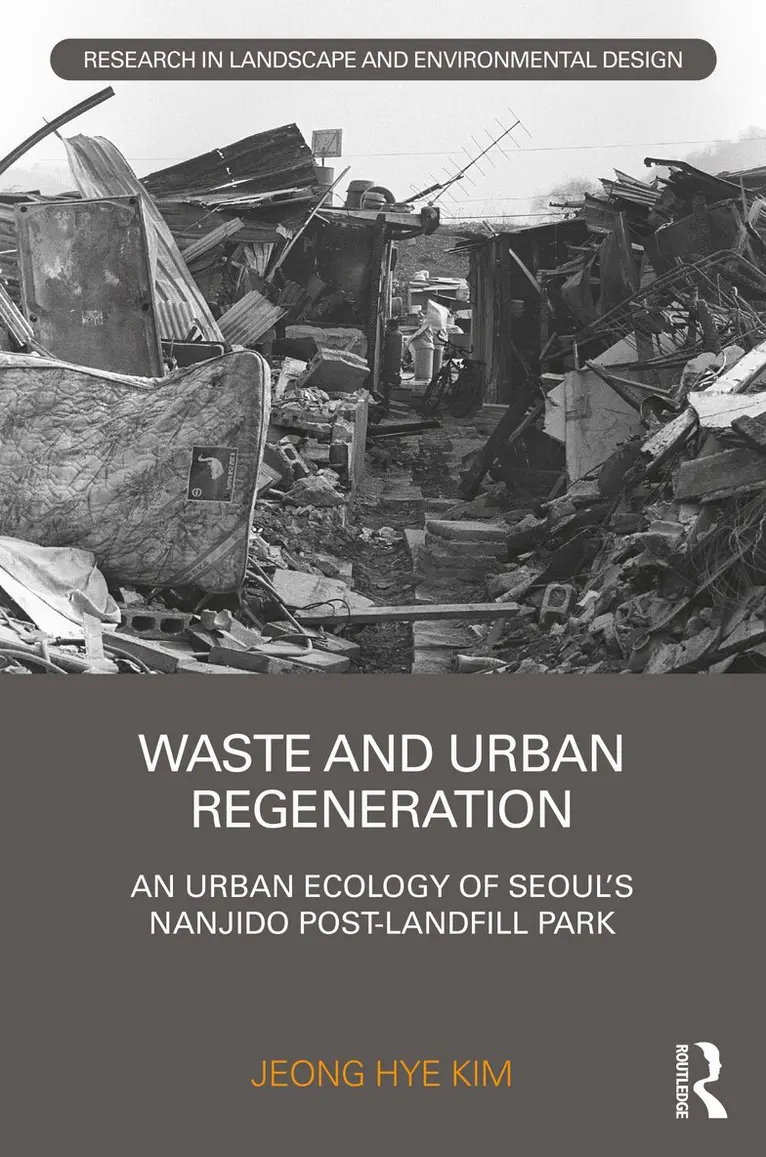
Waste and Urban Regeneration
An Urban Ecology of Seoul’s Nanjido Post-landfill Park
Inbunden, 2020
2585 kr
Lägg i varukorg
Waste and Urban Regeneration examines the Nanjido region of Seoul and its transformation from Nanjido Landfill to the World Cup Park, and its relation to the urban ecology within the context of the city’s urban development during the late twentieth and early twenty-first centuries.The study …
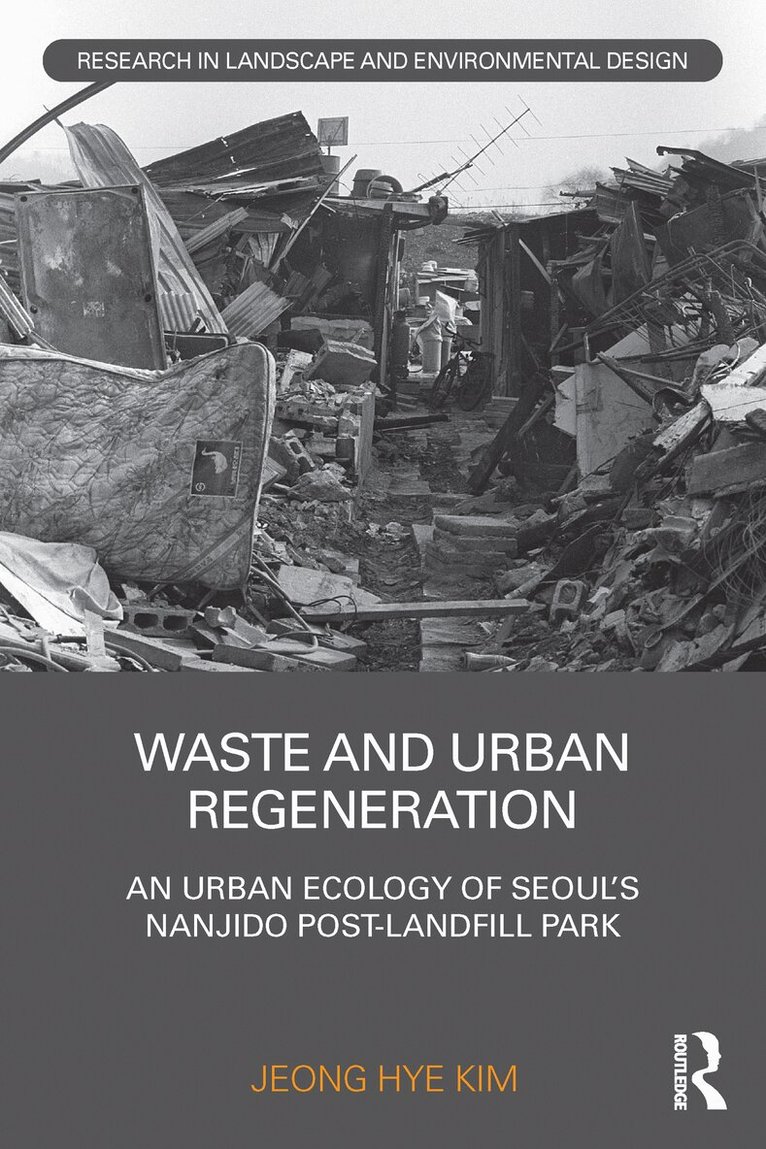
Waste and Urban Regeneration
An Urban Ecology of Seoul’s Nanjido Post-landfill Park
Häftad, 2023
711 kr
Lägg i varukorg
Waste and Urban Regeneration examines the Nanjido region of Seoul and its transformation from Nanjido Landfill to the World Cup Park, and its relation to the urban ecology within the context of the city’s urban development during the late twentieth and early twenty-first centuries.The study …
Waste and Urban Regeneration
An Urban Ecology of Seoul’s Nanjido Post-landfill Park
E-bok, 2020
727 kr
Lägg i varukorg
Waste and Urban Regeneration examines the Nanjido region of Seoul and its transformation from Nanjido Landfill to the World Cup Park, and its relation to the urban ecology within the context of the city’s urban development during the late twentieth and early twenty-first centuries. The study …
Waste and Urban Regeneration
An Urban Ecology of Seoul's Nanjido Post-landfill Park
E-bok, 2020
727 kr
Lägg i varukorg
Waste and Urban Regeneration examines the Nanjido region of Seoul and its transformation from Nanjido Landfill to the World Cup Park, and its relation to the urban ecology within the context of the city’s urban development during the late twentieth and early twenty-first centuries. The study …