John Peteet – författare
Visar alla böcker från författaren John Peteet. Handla med fri frakt och snabb leverans.
5 produkter
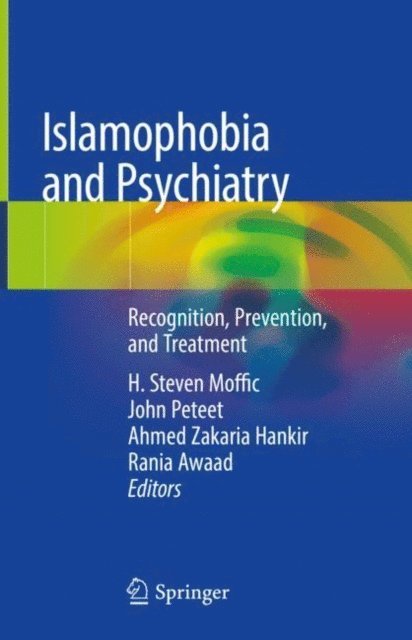
Islamophobia and Psychiatry
Recognition, Prevention, and Treatment
Av Rania Awaad, Ahmed Zakaria Hankir m. fl.
E-bok, 2018
1962 kr
Lägg i varukorg
The book begins by covering the general and clinical challenges that are unique to Muslims, drawing from an internationally, ethnically, and intergenerationally diverse pool of experts. The text covers not only how psychiatrists and other clinicians can intervene successfully with patients, but how …
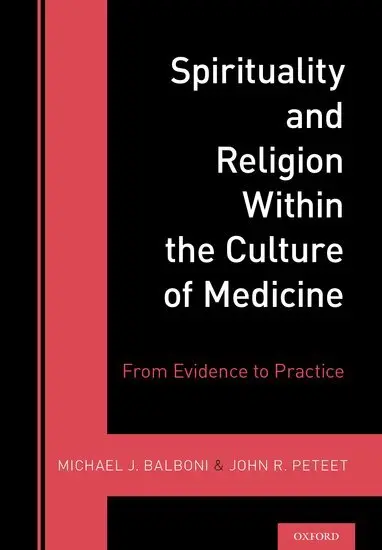
Spirituality and Religion Within the Culture of Medicine
From Evidence to Practice
Av Michael Balboni, John Peteet
Inbunden, 2017
1324 kr
Lägg i varukorg
Spirituality and Religion Within the Culture of Medicine provides a comprehensive evaluation of the relationship between spirituality, religion, and medicine evaluating current empirical research and academic scholarship.In Part 1, the book examines the relationship of religion, spirituality, and …
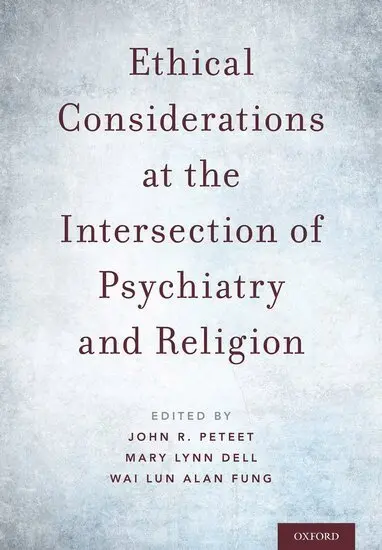
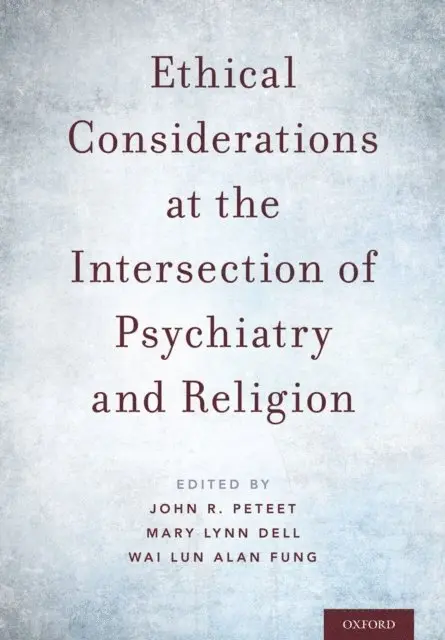
Ethical Considerations at the Intersection of Psychiatry and Religion
Av John Peteet, Mary Lynn Dell m. fl.
Inbunden, 2018
1206 kr
Lägg i varukorg
Psychiatry and religion/spirituality (R/S) share an interest in human flourishing, a concern with beliefs and values, and an appreciation for community. Yet historical tensions between science and religion continue to impede dialogue, leaving clinicians uncertain about how to approach ethical …
Ethical Considerations at the Intersection of Psychiatry and Religion
Av Wai Lun Alan Fung, Mary Lynn Dell m. fl.
E-bok, 2018
776 kr
Lägg i varukorg
Psychiatry and religion/spirituality (R/S) share an interest in human flourishing, a concern with beliefs and values, and an appreciation for community. Yet historical tensions between science and religion continue to impede dialogue, leaving clinicians uncertain about how to approach ethical …
Ethical Considerations at the Intersection of Psychiatry and Religion
Av Wai Lun Alan Fung, Mary Lynn Dell m. fl.
E-bok, 2018
776 kr
Lägg i varukorg
Psychiatry and religion/spirituality (R/S) share an interest in human flourishing, a concern with beliefs and values, and an appreciation for community. Yet historical tensions between science and religion continue to impede dialogue, leaving clinicians uncertain about how to approach ethical …