Jonathan Boff – författare
Visar alla böcker från författaren . Handla med fri frakt och snabb leverans.
7 produkter
7 produkter
E-bok
PDF, Engelska, 2018135 kr
Läs direkt efter köp
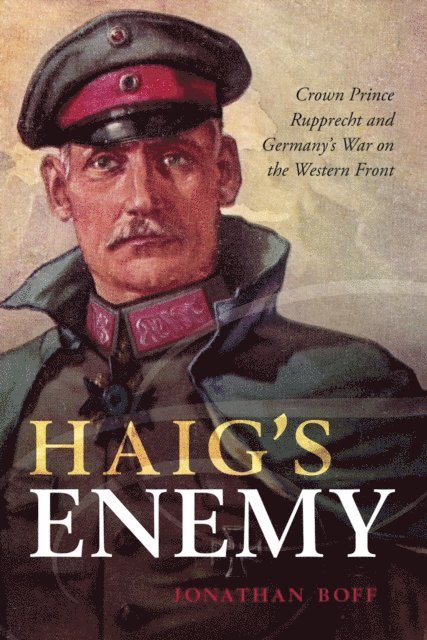
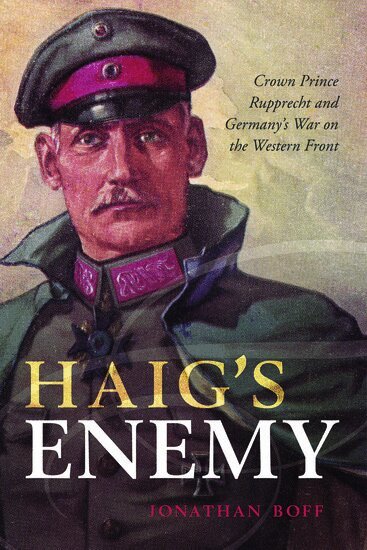
During the First World War, the British Army''s most consistent German opponent was Crown Prince Rupprecht of Bavaria. Commanding more than a million men as a General, and then Field Marshal, in the Imperial German Army, he held off the attacks of the British Expeditionary Force under Sir John French and then Sir Douglas Haig for four long years. But Rupprecht was to lose not only the war, but his son and his throne.Haig''s Enemy by Jonathan Boff explores the tragic tale of Rupprecht''s war--the story of a man caught under the wheels of modern industrial warfare. Providing a fresh viewpoint on the history of the Western Front, Boff draws on extensive research in the German archives to offer a history of the First World War from the other side of the barbed wire. He revises conventional explanations of why the Germans lost with an in-depth analysis of the nature of command, and of the institutional development of the British, French, and German armies as modern warfare was born. Using Rupprecht''s own diaries and letters, many of them never before published, Haig''s Enemy views the Great War through the eyes of one of Germany''s leading generals, shedding new light on many of the controversies of the Western Front.The picture which emerges is far removed from the sterile stalemate of myth. Instead, Boff re-draws the Western Front as a highly dynamic battlespace, both physical and intellectual, where three armies struggled not only to out-fight, but also to out-think, their enemy. The consequences of falling behind in the race to adapt would be more terrible than ever imagined.
E-bok
Engelska, 2018135 kr
Läs direkt efter köp
During the First World War, the British Army''s most consistent German opponent was Crown Prince Rupprecht of Bavaria. Commanding more than a million men as a General, and then Field Marshal, in the Imperial German Army, he held off the attacks of the British Expeditionary Force under Sir John French and then Sir Douglas Haig for four long years. But Rupprecht was to lose not only the war, but his son and his throne.Haig''s Enemy by Jonathan Boff explores the tragic tale of Rupprecht''s war--the story of a man caught under the wheels of modern industrial warfare. Providing a fresh viewpoint on the history of the Western Front, Boff draws on extensive research in the German archives to offer a history of the First World War from the other side of the barbed wire. He revises conventional explanations of why the Germans lost with an in-depth analysis of the nature of command, and of the institutional development of the British, French, and German armies as modern warfare was born. Using Rupprecht''s own diaries and letters, many of them never before published, Haig''s Enemy views the Great War through the eyes of one of Germany''s leading generals, shedding new light on many of the controversies of the Western Front.The picture which emerges is far removed from the sterile stalemate of myth. Instead, Boff re-draws the Western Front as a highly dynamic battlespace, both physical and intellectual, where three armies struggled not only to out-fight, but also to out-think, their enemy. The consequences of falling behind in the race to adapt would be more terrible than ever imagined.
Inbunden, Engelska, 2027
272 kr
Kommande
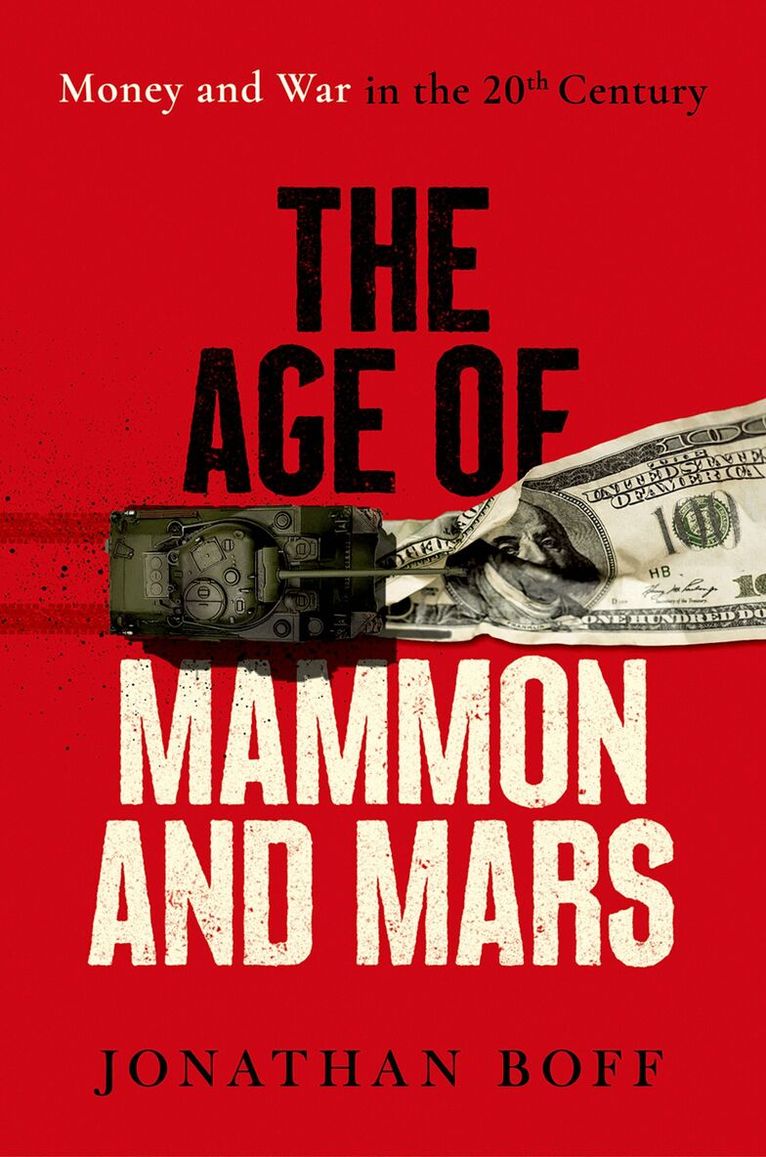
Roosevelt once claimed that 'no major war has ever been won or lost through lack of money.' He was wrong.Mammon and Mars explains why Roosevelt was incorrect by telling the neglected story of how Mammon and Mars, Money and War, came together as never before during the era of the two world wars. Faced with conflict on a new and terrible scale, states struggled to finance their own immense war efforts and undermine their enemies. Money became a crucial weapon. Studying how that happened helps us to see the world wars in a fresh and original light and challenges some of the traditional tales told about their causes, conduct and consequences. Those conflicts also redefined the meaning of money itself, blurred the boundaries between war and peace, and reset the relationship between citizen and state. Jonathan Boff tells the highly topical story of how first the UK, and then the USA, pioneered new forms of economic statecraft. Based on meticulous research in multiple languages and archives both sides of the Atlantic, Mammon and Mars integrates approaches from military, political and economic history to tell these neglected stories, explain how we got here, and suggest lessons that might help guide policy tomorrow.
Inbunden, Engelska, 2018
563 kr
Skickas inom 3-6 vardagar
During the First World War, the British army's most consistent German opponent was Crown Prince Rupprecht of Bavaria. Commanding more than a million men as a General, and then Field Marshal, in the Imperial German Army, he held off the attacks of the British Expeditionary Force under Sir John French and then Sir Douglas Haig for four long years. But Rupprecht was to lose not only the war, but his son and his throne. In Haig's Enemy, Jonathan Boff explores the tragic tale of Rupprecht's war -- the story of a man caught under the wheels of modern industrial warfare. Providing a fresh viewpoint on the history of the Western Front, Boff draws on extensive research in the German archives to offer a history of the First World War from the other side of the barbed wire. He revises conventional explanations of why the Germans lost with an in-depth analysis of the nature of command, and of the institutional development of the British, French, and German armies as modern warfare was born. Using Rupprecht's own diaries and letters, many of them never before published, Haig's Enemy views the Great War through the eyes of one of Germany's leading generals, shedding new light on many of the controversies of the Western Front. The picture which emerges is far removed from the sterile stalemate of myth. Instead, Boff re-draws the Western Front as a highly dynamic battlespace, both physical and intellectual, where three armies struggled not only to out-fight, but also to out-think, their enemy. The consequences of falling behind in the race to adapt would be more terrible than ever imagined.
Häftad, Engelska, 2020
198 kr
Skickas
During the First World War, the British Army's most consistent German opponent was Crown Prince Rupprecht of Bavaria. Commanding more than a million men as a General, and then Field Marshal, in the Imperial German Army, he held off the attacks of the British Expeditionary Force under Sir John French and then Sir Douglas Haig for four long years. But Rupprecht was to lose not only the war, but his son and his throne.Haig's Enemy by Jonathan Boff explores the tragic tale of Rupprecht's war--the story of a man caught under the wheels of modern industrial warfare. Providing a fresh viewpoint on the history of the Western Front, Boff draws on extensive research in the German archives to offer a history of the First World War from the other side of the barbed wire. He revises conventional explanations of why the Germans lost with an in-depth analysis of the nature of command, and of the institutional development of the British, French, and German armies as modern warfare was born. Using Rupprecht's own diaries and letters, many of them never before published, Haig's Enemy views the Great War through the eyes of one of Germany's leading generals, shedding new light on many of the controversies of the Western Front.The picture which emerges is far removed from the sterile stalemate of myth. Instead, Boff re-draws the Western Front as a highly dynamic battlespace, both physical and intellectual, where three armies struggled not only to out-fight, but also to out-think, their enemy. The consequences of falling behind in the race to adapt would be more terrible than ever imagined.
Inbunden, Engelska, 2012
1 378 kr
Skickas inom 7-10 vardagar
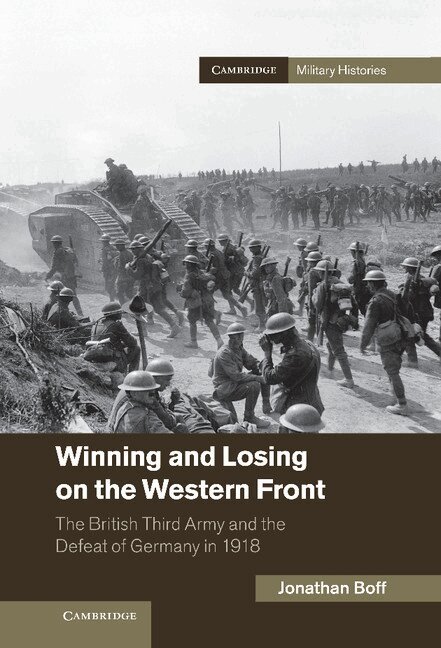
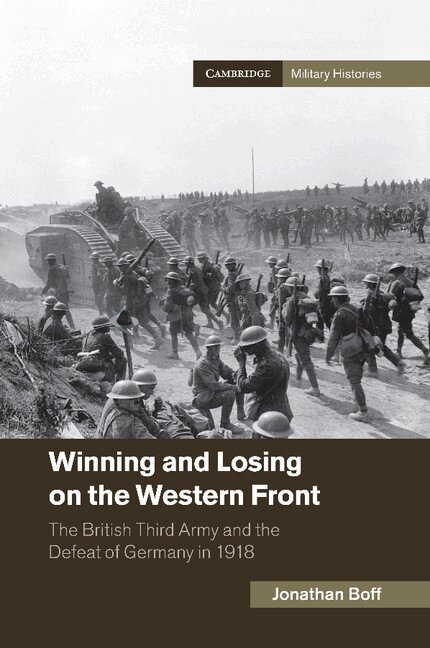
The 'Hundred Days' campaign of 1918 remains a neglected aspect of the First World War. Why was the German army defeated on the Western Front? Did its morale collapse or was it beaten by the improved military effectiveness of a British army which had climbed a painful 'learning curve' towards modern combined arms warfare? This revealing insight into the crucial final months of the First World War uses state-of-the-art methodology to present a rounded case study of the ability of both armies to adapt to the changing realities they faced. Jonathan Boff draws on both British and German archival sources, some of them previously unseen, to examine how representative armies fought during the 'Hundred Days' campaign. Assessing how far the application of modern warfare underpinned the British army's part in the Allied victory, the book highlights the complexity of modern warfare and the role of organisational behaviour within it.
Häftad, Engelska, 2014
409 kr
Skickas inom 7-10 vardagar
The 'Hundred Days' campaign of 1918 remains a neglected aspect of the First World War. Why was the German army defeated on the Western Front? Did its morale collapse or was it beaten by the improved military effectiveness of a British army which had climbed a painful 'learning curve' towards modern combined arms warfare? This revealing insight into the crucial final months of the First World War uses state-of-the-art methodology to present a rounded case study of the ability of both armies to adapt to the changing realities they faced. Jonathan Boff draws on both British and German archival sources, some of them previously unseen, to examine how representative armies fought during the 'Hundred Days' campaign. Assessing how far the application of modern warfare underpinned the British army's part in the Allied victory, the book highlights the complexity of modern warfare and the role of organisational behaviour within it.