Jorge Daniel Taillant – författare
Visar alla böcker från författaren . Handla med fri frakt och snabb leverans.
7 produkter
7 produkter
Inbunden, Engelska, 2022
367 kr
Skickas inom 5-8 vardagar
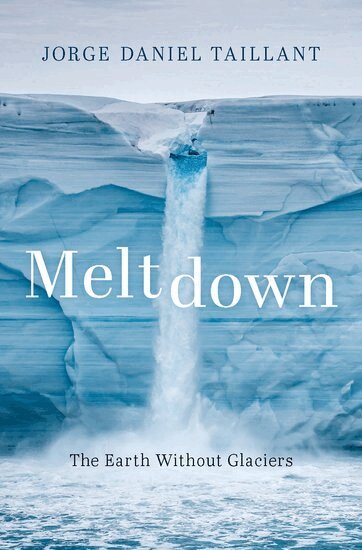
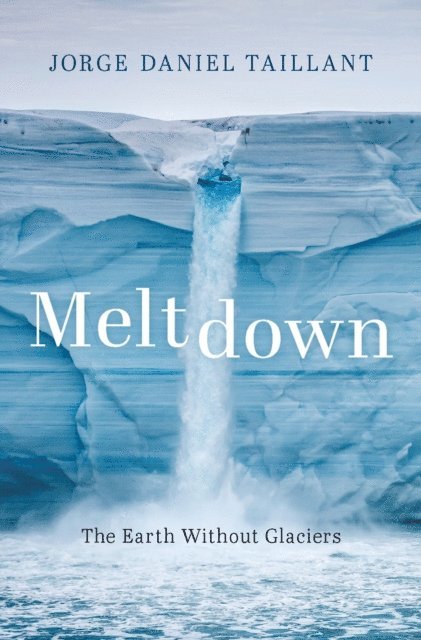
We hear about pieces of ice the size of continents breaking off of Antarctica, rapidly melting glaciers in the Himalayas, and ice sheets in the Arctic crumbling to the sea, but does it really matter? Will melting glaciers change our lives? Absolutely.Glaciers are built and destroyed during ice ages and interglacial periods. These massive ice bodies hold three quarters of our freshwater, yet we don't have laws to protect them from climate change. When they melt, they increase sea levels, alter the Earth's reflectivity, wreak havoc for ocean and air currents, destabilize global ecosystems, warm our climate, and bring on floods that swamp millions of acres of coastal land. The critical ecological role they play to keep our global climate stable, and the environmental functions they provide, wither. And, as climate change warms glacier cores, collapsing glacier ice triggers tsunamis that send deadly massive ice blocks, rocks, earth, and billions of liters of water rushing down mountain valleys. It has happened before in the Himalayas, the Central Andes, the Rockies and Western Cascades, and the European Alps, and it will happen again.In his new book Meltdown, Jorge Daniel Taillant takes readers deeper into the cryosphere, connecting the dots between climate change, glacier melt, and the impacts that receding glacier ice brings to livability on Earth, to our environments, and to our communities. Taillant walks us through the little-known realm of the periglacial environment, a world of invisible subsurface rock glaciers that will outlive exposed glaciers as climate change destroys surface ice. He also looks at actions that can help stop climate change and save glaciers, exploring how society, politics, and our leaders have responded to address the global COVID-19 pandemic and yet largely continue to fail to address the even larger—looming and escalating—crisis of climate change.Our climate is deteriorating at a drastic rate, and it's happening right in front of us. Meltdown is about glaciers and their unfolding demise during one of the most critical moments of our planet's geological history. If we can reconsider glaciers in a whole new light and understand the critical role they play in our own sustainability, we may be able to save the cryosphere.
E-bok
PDF, Engelska, 2021204 kr
Läs direkt efter köp
We hear about pieces of ice the size of continents breaking off of Antarctica, rapidly melting glaciers in the Himalayas, and ice sheets in the Arctic crumbling to the sea, but does it really matter? Will melting glaciers change our lives? Absolutely.Glaciers are built and destroyed during ice ages and interglacial periods. These massive ice bodies hold three quarters of our freshwater, yet we don''t have laws to protect them from climate change. When they melt, they increase sea levels, alter the Earth''s reflectivity, wreak havoc for ocean and air currents, destabilize global ecosystems, warm our climate, and bring on floods that swamp millions of acres of coastal land. The critical ecological role they play to keep our global climate stable, and the environmental functions they provide, wither. And, as climate change warms glacier cores, collapsing glacier ice triggers tsunamis that send deadly massive ice blocks, rocks, earth, and billions of liters of water rushing down mountain valleys. It has happened before in the Himalayas, the Central Andes, the Rockies and Western Cascades, and the European Alps, and it will happen again.In his new book Meltdown, Jorge Daniel Taillant takes readers deeper into the cryosphere, connecting the dots between climate change, glacier melt, and the impacts that receding glacier ice brings to livability on Earth, to our environments, and to our communities. Taillant walks us through the little-known realm of the periglacial environment, a world of invisible subsurface rock glaciers that will outlive exposed glaciers as climate change destroys surface ice. He also looks at actions that can help stop climate change and save glaciers, exploring how society, politics, and our leaders have responded to address the global COVID-19 pandemic and yet largely continue to fail to address the even largerDLlooming and escalatingDLcrisis of climate change.Our climate is deteriorating at a drastic rate, and it''s happening right in front of us. Meltdown is about glaciers and their unfolding demise during one of the most critical moments of our planet''s geological history. If we can reconsider glaciers in a whole new light and understand the critical role they play in our own sustainability, we may be able to save the cryosphere.
E-bok
Engelska, 2021204 kr
Läs direkt efter köp
We hear about pieces of ice the size of continents breaking off of Antarctica, rapidly melting glaciers in the Himalayas, and ice sheets in the Arctic crumbling to the sea, but does it really matter? Will melting glaciers change our lives? Absolutely.Glaciers are built and destroyed during ice ages and interglacial periods. These massive ice bodies hold three quarters of our freshwater, yet we don''t have laws to protect them from climate change. When they melt, they increase sea levels, alter the Earth''s reflectivity, wreak havoc for ocean and air currents, destabilize global ecosystems, warm our climate, and bring on floods that swamp millions of acres of coastal land. The critical ecological role they play to keep our global climate stable, and the environmental functions they provide, wither. And, as climate change warms glacier cores, collapsing glacier ice triggers tsunamis that send deadly massive ice blocks, rocks, earth, and billions of liters of water rushing down mountain valleys. It has happened before in the Himalayas, the Central Andes, the Rockies and Western Cascades, and the European Alps, and it will happen again.In his new book Meltdown, Jorge Daniel Taillant takes readers deeper into the cryosphere, connecting the dots between climate change, glacier melt, and the impacts that receding glacier ice brings to livability on Earth, to our environments, and to our communities. Taillant walks us through the little-known realm of the periglacial environment, a world of invisible subsurface rock glaciers that will outlive exposed glaciers as climate change destroys surface ice. He also looks at actions that can help stop climate change and save glaciers, exploring how society, politics, and our leaders have responded to address the global COVID-19 pandemic and yet largely continue to fail to address the even largerDLlooming and escalatingDLcrisis of climate change.Our climate is deteriorating at a drastic rate, and it''s happening right in front of us. Meltdown is about glaciers and their unfolding demise during one of the most critical moments of our planet''s geological history. If we can reconsider glaciers in a whole new light and understand the critical role they play in our own sustainability, we may be able to save the cryosphere.
Inbunden, Engelska, 2015
486 kr
Skickas inom 5-8 vardagar
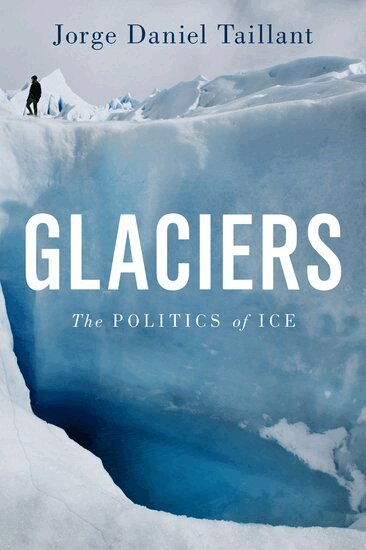
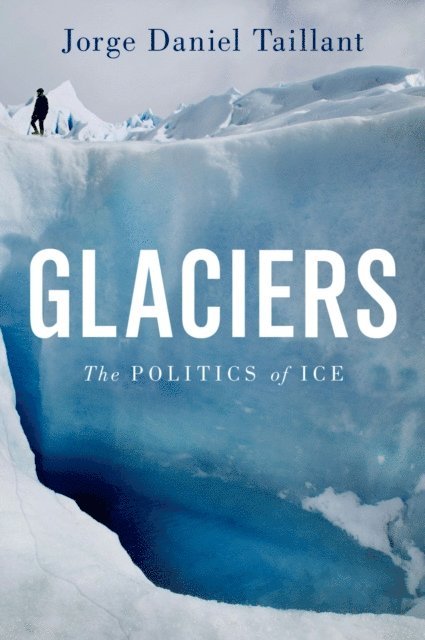
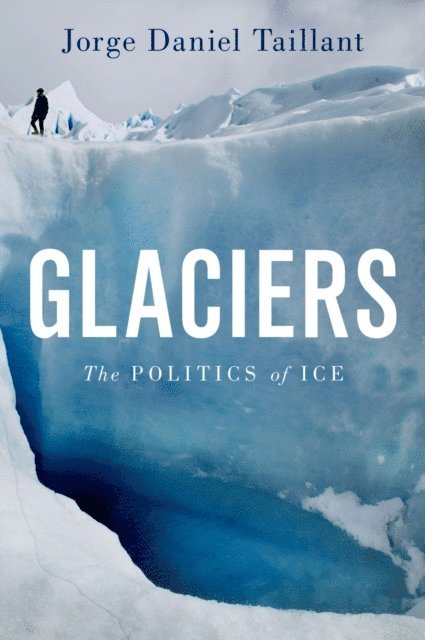
Though not traditionally thought of as key natural resource, glaciers are a crucial part of both our global ecosystem and the sustaining of life around the world. Comprising three quarters of the worlds fresh water, they freeze in the winter and melt in the summer, supplying water that is plentiful enough for agriculture and clean enough to drink. Without them, many of the planets rivers would run dry shortly after the winter snow-melt. In fact, a single mid-sized glacier in regions like California, Argentina, India, Kyrgyzstan, or Chile can provide an entire community with drinking water for generations. On the other hand, when global temperatures rise not only does glacier ice wither away into the oceans, but these massive ice bodies can become unstable and cause severe natural events like glacier tsunamis. But glaciers often exist well outside our environmental consciousness, and they are mostly unprotected from atmospheric impacts from transportation emissions, or from industrial threats such as the mining industry, which seeks the precious metals that lie beneath them. Glaciers: The Politics of Ice is a scientific, cultural, and political examination of the cryospherethe earths iceand the environmental policies that aim to protect it. Jorge Daniel Taillant discusses the debates and negotiations behind the passing of the worlds first glacier-protection law in the mid-2000s, and reveals the tension between the industry experts, politicians, and glacier conservationists. The book provides the basic environmental science behind glaciers, outlines current and future risks to their preservation, and reveals the intriguing politics behind the debate over glacier policies and laws. Taillant also makes suggestions on what can be done to preserve these crucial sources of fresh water, from both a scientific and policymaking standpoint.
E-bok
PDF, Engelska, 2015392 kr
Läs direkt efter köp
Though not traditionally thought of as strategic natural resources, glaciers are a crucial part of our global ecosystem playing a fundamental role in the sustaining of life around the world. Comprising three quarters of the world''s freshwater, they freeze in the winter and melt in the summer, supplying a steady flow of water for agriculture, livestock, industry and human consumption. The white of glacier surfaces reflect sunrays which otherwise warm our planet. Without them, many of the planet''s rivers would run dry shortly after the winter snow-melt. A single mid-sized glacier in high mountain environments of places like California, Argentina, India, Kyrgyzstan, or Chile can provide an entire community with a sustained flow of drinking water for generations. On the other hand, when global temperatures rise, not only does glacier ice wither away into the oceans and cease to act as water reservoirs, but these massive ice bodies can become highly unstable and collapse into downstream environments, resulting in severe natural events like glacier tsunamis and other deadly environmental catastrophes. But despite their critical role in environmental sustainability, glaciers often exist well outside our environmental consciousness, and they are mostly unprotected from atmospheric impacts of global warming or from soot deriving from transportation emissions, or from certain types of industrial activity such as mining, which has been shown to have devastating consequences for glacier survival. Glaciers: The Politics of Ice is a scientific, cultural, and political examination of the cryosphere -- the earth''s ice -- and the environmental policies that are slowly emerging to protect it. Jorge Daniel Taillant discusses the debates and negotiations behind the passage of the world''s first glacier-protection law in the mid-2000s, and reveals the tension that quickly arose between industry, politicians, and environmentalists when an international mining company proposed dynamiting three glaciers to get at gold deposits underneath. The book is a quest to educate general society about the basic science behind glaciers, outlines current and future risks to their preservation, and reveals the intriguing politics behind glacier melting debates over policies and laws to protect the resource. Taillant also makes suggestions on what can be done to preserve these crucial sources of fresh water, from both a scientific and policymaking standpoint.Glaciers is a new window into one of the earth''s most crucial and yet most ignored natural resources, and a call to reawaken our interest in the world''s changing climate.
E-bok
Engelska, 2015392 kr
Läs direkt efter köp
Though not traditionally thought of as strategic natural resources, glaciers are a crucial part of our global ecosystem playing a fundamental role in the sustaining of life around the world. Comprising three quarters of the world''s freshwater, they freeze in the winter and melt in the summer, supplying a steady flow of water for agriculture, livestock, industry and human consumption. The white of glacier surfaces reflect sunrays which otherwise warm our planet. Without them, many of the planet''s rivers would run dry shortly after the winter snow-melt. A single mid-sized glacier in high mountain environments of places like California, Argentina, India, Kyrgyzstan, or Chile can provide an entire community with a sustained flow of drinking water for generations. On the other hand, when global temperatures rise, not only does glacier ice wither away into the oceans and cease to act as water reservoirs, but these massive ice bodies can become highly unstable and collapse into downstream environments, resulting in severe natural events like glacier tsunamis and other deadly environmental catastrophes. But despite their critical role in environmental sustainability, glaciers often exist well outside our environmental consciousness, and they are mostly unprotected from atmospheric impacts of global warming or from soot deriving from transportation emissions, or from certain types of industrial activity such as mining, which has been shown to have devastating consequences for glacier survival. Glaciers: The Politics of Ice is a scientific, cultural, and political examination of the cryosphere -- the earth''s ice -- and the environmental policies that are slowly emerging to protect it. Jorge Daniel Taillant discusses the debates and negotiations behind the passage of the world''s first glacier-protection law in the mid-2000s, and reveals the tension that quickly arose between industry, politicians, and environmentalists when an international mining company proposed dynamiting three glaciers to get at gold deposits underneath. The book is a quest to educate general society about the basic science behind glaciers, outlines current and future risks to their preservation, and reveals the intriguing politics behind glacier melting debates over policies and laws to protect the resource. Taillant also makes suggestions on what can be done to preserve these crucial sources of fresh water, from both a scientific and policymaking standpoint.Glaciers is a new window into one of the earth''s most crucial and yet most ignored natural resources, and a call to reawaken our interest in the world''s changing climate.
Häftad, Engelska, 2010
307 kr
Skickas inom 5-8 vardagar