Josep Maria Castellà Andreu – författare
Visar alla böcker från författaren . Handla med fri frakt och snabb leverans.
4 produkter
4 produkter
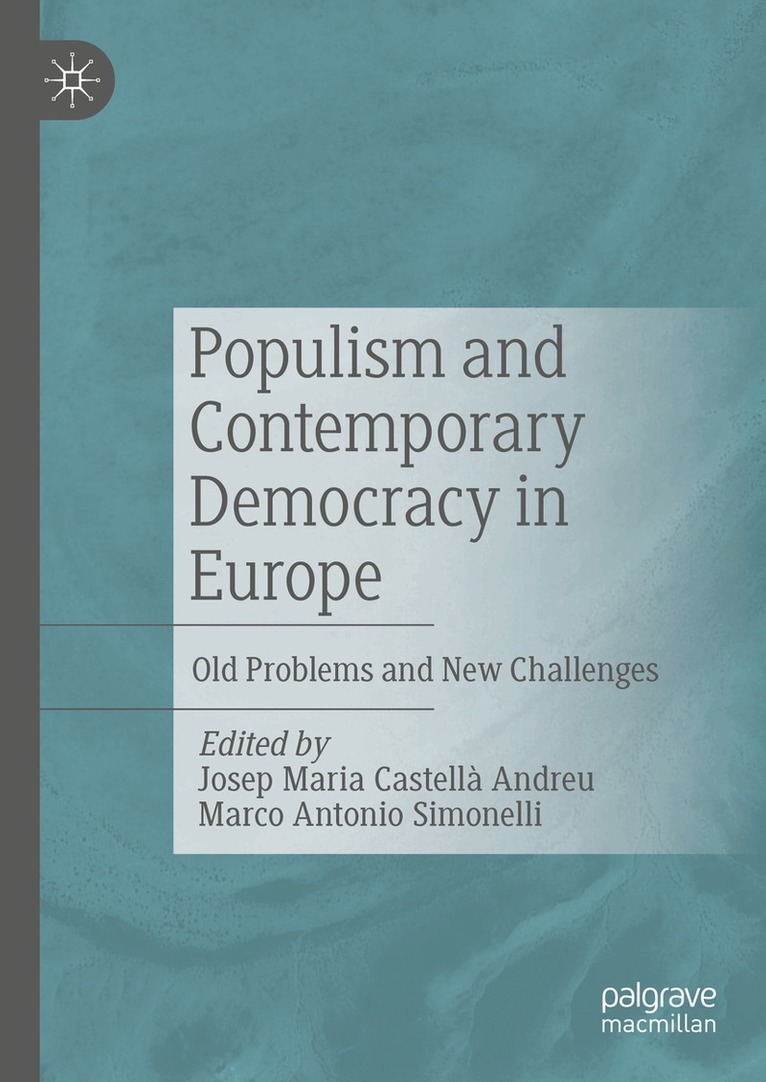
Inbunden, Engelska, 2022
1 497 kr
Skickas inom 10-15 vardagar
This book provides a comprehensive analysis of the impact of populism on the European democratic polity. In the last two decades, European democracies have come under strain amid growing populism. By asserting the superiority of the majority over the law, of direct democracy over representation, and claiming the necessity to defend national sovereignty against foreign interferences, the populist conception of democracy is in stark contrast with the longstanding Western notion of liberal democracy. This volume investigates populist attempts to radically change what Bobbio called the “rules of the game” of democracy from an eminently legal perspective. Weaving together normative and empirical analysis, the contributions focus on the institutions that have suffered the most from the rise of populism as well as those that have better resisted the populist tide. Special attention will be paid to the Venice Commission’s opinions and documents, as they represent the best European standards toevaluate the extent to which populism deviates from constitutional democracy requirements. The book also considers the responses of European States to the explosion of the COVID-19 pandemic. The COVID-19 pandemic has indeed been an accelerator of known and studied trends in most constitutional systems, such as the concentration of powers in the executive hands and the consequential loss of parliament's centrality. Various forms of populism across Europe have thus found an ideal breeding ground to implement their agenda of granting the executive broad regulatory and decision-making powers while loosening parliamentary and judicial checks. Against this backdrop, the book analyses how European democracies should adapt to the challenges posed by the pandemic, as this reflection can help respond to populist threats and propose a way forward for liberal democracy.
E-bok
Engelska, 20221 885 kr
Läs direkt efter köp
This book provides a comprehensive analysis of the impact of populism on the European democratic polity. In the last two decades, European democracies have come under strain amid growing populism. By asserting the superiority of the majority over the law, of direct democracy over representation, and claiming the necessity to defend national sovereignty against foreign interferences, the populist conception of democracy is in stark contrast with the longstanding Western notion of liberal democracy. This volume investigates populist attempts to radically change what Bobbio called the “rules of the game” of democracy from an eminently legal perspective. Weaving together normative and empirical analysis, the contributions focus on the institutions that have suffered the most from the rise of populism as well as those that have better resisted the populist tide. Special attention will be paid to the Venice Commission’s opinions and documents, as they represent the best European standards toevaluate the extent to which populism deviates from constitutional democracy requirements. The book also considers the responses of European States to the explosion of the COVID-19 pandemic. The COVID-19 pandemic has indeed been an accelerator of known and studied trends in most constitutional systems, such as the concentration of powers in the executive hands and the consequential loss of parliament''s centrality. Various forms of populism across Europe have thus found an ideal breeding ground to implement their agenda of granting the executive broad regulatory and decision-making powers while loosening parliamentary and judicial checks. Against this backdrop, the book analyses how European democracies should adapt to the challenges posed by the pandemic, as this reflection can help respond to populist threats and propose a way forward for liberal democracy.
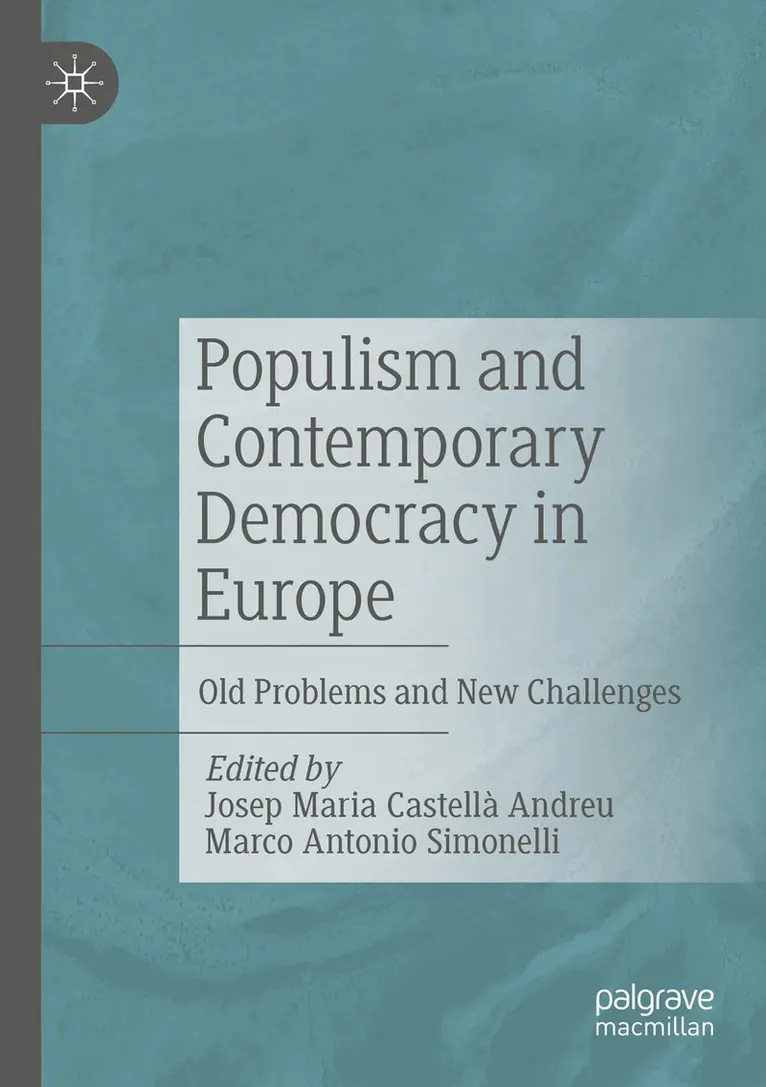
Häftad, Engelska, 2023
1 398 kr
Skickas inom 10-15 vardagar
This book provides a comprehensive analysis of the impact of populism on the European democratic polity. In the last two decades, European democracies have come under strain amid growing populism. By asserting the superiority of the majority over the law, of direct democracy over representation, and claiming the necessity to defend national sovereignty against foreign interferences, the populist conception of democracy is in stark contrast with the longstanding Western notion of liberal democracy. This volume investigates populist attempts to radically change what Bobbio called the “rules of the game” of democracy from an eminently legal perspective. Weaving together normative and empirical analysis, the contributions focus on the institutions that have suffered the most from the rise of populism as well as those that have better resisted the populist tide. Special attention will be paid to the Venice Commission’s opinions and documents, as they represent the best European standards toevaluate the extent to which populism deviates from constitutional democracy requirements. The book also considers the responses of European States to the explosion of the COVID-19 pandemic. The COVID-19 pandemic has indeed been an accelerator of known and studied trends in most constitutional systems, such as the concentration of powers in the executive hands and the consequential loss of parliament's centrality. Various forms of populism across Europe have thus found an ideal breeding ground to implement their agenda of granting the executive broad regulatory and decision-making powers while loosening parliamentary and judicial checks. Against this backdrop, the book analyses how European democracies should adapt to the challenges posed by the pandemic, as this reflection can help respond to populist threats and propose a way forward for liberal democracy.
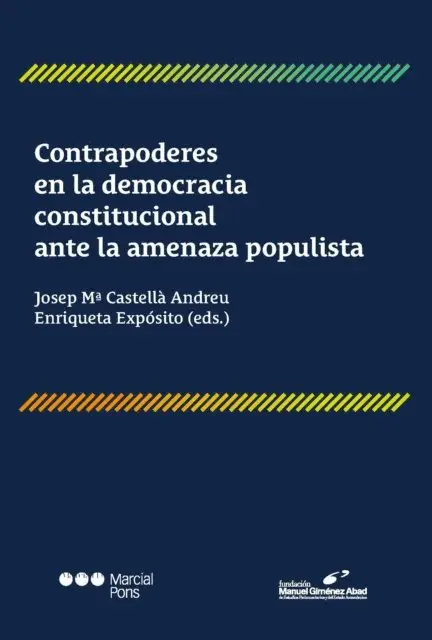
Häftad, Spanska, 2024
489 kr
Skickas
Los populismos y las derivas iliberales de algunos gobiernos ponen en riesgo el funcionamiento constitucionalmente adecuado de las instituciones y organismos encargados de controlar a la mayoría. Ello acaba por debilitar la democracia, entendida como democracia representativa y constitucional, así como la idea de Constitución como límite al poder. En los últimos años asistimos a una erosión gradual de principios e instituciones del Estado constitucional y democrático de Derecho que afecta a los checks and balances entre poderes y también al pluralismo político. Las corrientes populistas e iliberales abogan por dar primacía a los poderes con legitimidad popular, sobre los órganos de control político y judicial, los cuales son considerados como obstaculizadores de la voluntad popular. Pero en realidad instrumentalizan igualmente las instituciones parlamentarias y colonizan los órganos de control, socavando su independencia.Los autores de esta obra reflexionan acerca de estas amenazas. Analizan los déficits del diseño normativo y del funcionamiento de los contrapoderes e instrumentos contramayoritarios. También pasan revista a la eficacia de los límites provenientes de las instituciones europeas e internacionales, así como de la ciudadanía en el ejercicio de sus derechos. El libro plantea propuestas de mejora de la composición y funcionamiento de los contrapoderes y de las relaciones entre instituciones y de estas con la ciudadanía. Todo ello con la pretensión de hacer frente a esas tendencias populistas e iliberales antes de que deriven en regímenes autoritarios.