Joseph S. Tuman - Böcker
2 515 kr
Skickas inom 3-6 vardagar
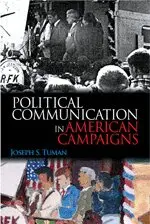
In Political Communication in American Campaigns, Joseph S. Tuman provides a comprehensive, clear, and accessible treatment of American campaign rhetoric and argues that modern elections are not really about contests between candidates or political parties; rather, they are more about the competing messages each player in the political process must present to persuade and reach voters.. This book's triangulated approach to political communication includes (1) all forms of campaign speech and oratory; (2) the rhetorical dimensions of campaign debates; and (3) candidate/campaign interaction with mass media. Key Features
Allows readers to deconstruct and understand how and why speeches affect voters: Offers methods for understanding how political speeches are constructed and targeted, as well as how to apply these methodologies to a variety of campaign oratories. Provides a comprehensive and entertaining explanation of the history of campaign debates in the United States: A historical description of the evolution of political campaign helps situate modern debates within the context of specific mass media strategies and tactics employed by campaigns. Reflects how changes in mass media have now influenced how campaigns communicate messages to voters: Explores the relationship between campaigns and mass media, with an emphasis on paid and free media, and addresses the contemporary intersection of campaign Web sites and blogs with campaign main messages, fundraising, manipulating news coverage and creating ads. Offers an insider's view of how campaigns work—and how news media coverage of campaigns works: The book is written with additional insights from the author's experiences as a political consultant and as a political analyst for news media. Presents contemporary examples that all readers will understand: Real-life case studies of debates from both state and national elections; all forms of campaign oratories; and mass mediated campaigns.Intended Audience This text is designed for advanced courses dealing with such topics as political communication, media & politics, presidential rhetoric, and persuasion, as found in departments of communication, media studies, and political science.
1 790 kr
Skickas inom 3-6 vardagar
New to the Second Edition
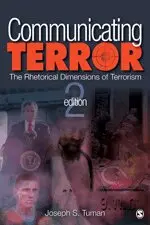
Includes three new chapters on public address and speeches concerning terrorism, symbols and targets of terror, and terrorism, rhetorical theory, and mass media.Offers new examples, case studies, speeches, and topic coverage, including expanded coverage of the Internet and the "War on Terror;" new material on Iran, Cambodia, Rwanda, Hamas and Hezbollah, and dirty bombsProvides expanded treatment of rhetoric and theory with a focus on ideological criticism, neo-classical criticism, dramatism, and media-centered terrorismExamines diverse acts of terrorism—not just 9/11 or the recent events in the Middle East—to show the history and various usages of these acts as a medium for communicationIncludes real case studies of terrorists and terror acts that make applying rhetorical theory practical and accessibleIntended AudienceCommunicating Terror, Second Edition is ideal for use in a wide range of courses, including Media & Politics, Terrorism, Media & Society, Rhetorical Theory/Analysis/Criticism, Defense and National Security, and Political Communication.
2 751 kr
Skickas inom 3-6 vardagar
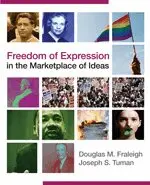
A comprehensive guide to effective participation in the public debate about our most indispensable right: freedom of expression
Encouraging readers to think critically about freedom of speech and expression and the diverse critical perspectives that challenge the existing state of the law, this text provides a comprehensive analysis of the historical and legal contexts of the First Amendment, from its early foundations all the way to censorship on the Internet. Throughout the book, authors Douglas M. Fraleigh and Joseph S. Tuman use the "Marketplace of Ideas" metaphor to help readers visualize a world where the exchange of ideas is relatively unrestrained and self-monitored. The text provides students with the opportunity to read significant excerpts of landmark decisions and to think critically about the issues and controversies raised in these cases. Students will appreciate the treatment of contemporary issues, including free speech in a post-9/11 world, free expression in cyberspace, and First Amendment rights on college campuses. Features: Demystifies free speech law, encouraging readers to grapple with the complexities of significant ethical and legal issues Sparks student interest in "big picture" issues while simultaneously covering important foundational material, including incitement, fighting words, true threats, obscenity, indecency, child pornography, hate speech, time place and manner restrictions, symbolic expression, restrictions on the Internet, and terrorism. Includes significant excerpts from landmark freedom of expression cases, including concurring or dissenting opinions where applicable, to help students become active learners of free expression rights Offers critical analysis and alternative perspectives on free expression doctrines to demonstrate that existing doctrine is not necessarily ideal or immutable Includes a global perspective on free expression including a chapter on international and comparative perspectives that helps students see how the values of different cultures influence judicial decisions