Juan Llamas-Rodriguez - Böcker
Visar alla böcker från författaren Juan Llamas-Rodriguez. Handla med fri frakt och snabb leverans.
6 produkter
6 produkter
1 004 kr
Skickas inom 7-10 vardagar
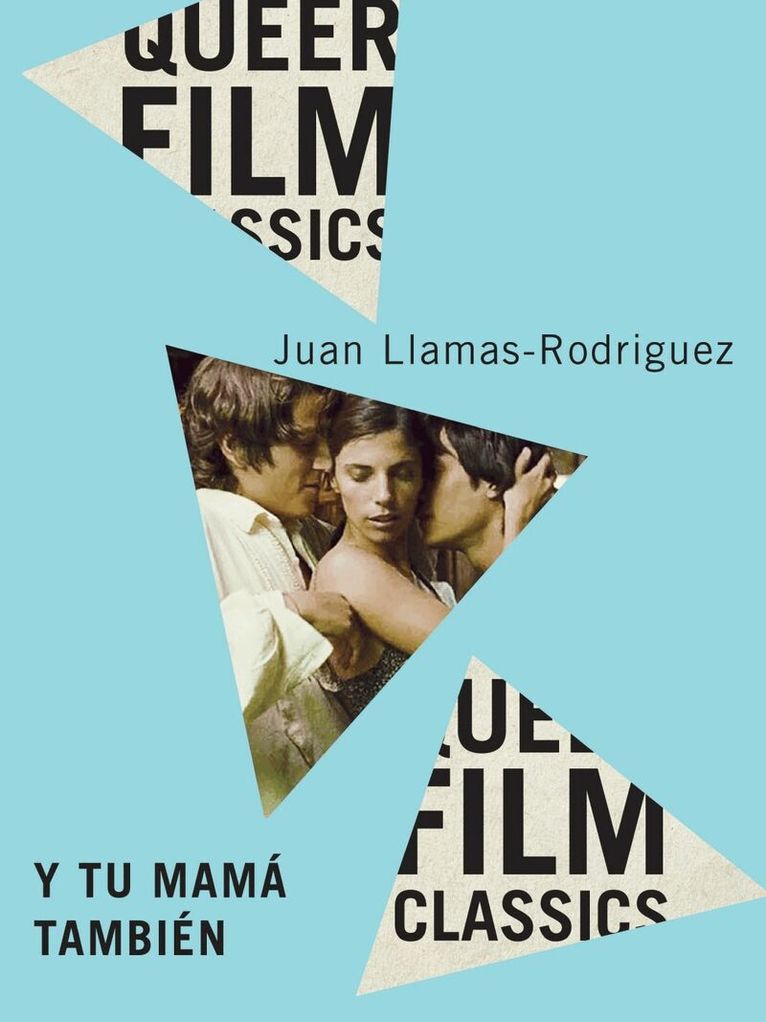
A classic of New Mexican Cinema, Y Tu Mamá También courted controversy with its explicit depictions of teenage sexuality and its forthright perspective on the country’s inequality. The cinematic sensation gained international accolades for its mixing of genres and film styles and inspired a wide body of writing from both critics and scholars. The multimedia lives of Y Tu Mamá También (especially in music, music videos, and social media) have kept the film relevant for audiences too young to have seen it when it debuted.Juan Llamas-Rodriguez revisits Y Tu Mamá También after more than two decades of social, industrial, and technological change to show how it astutely captures a particular moment in Mexican history and film production. The film was a turning point for Mexican stardom on the world stage, and the performances and celebrity of its stars, Diego Luna and Gael García Bernal, reframed millennial Mexican masculinities. The eclectic and popular bilingual soundtrack is a focal point, read as engendering a queer listening and as an integral aspect of the film’s queering of time. Rather than being legibly classified as gay or bisexual, Y Tu Mamá También flouts sexual mores and national stereotypes and continues to spur new forms of longing and desire among audiences today.Moving beyond heavily debated questions of identity and representation, Llamas-Rodriguez explores the waves of reception, scholarship, celebrity culture, and social media content around Y Tu Mamá También that have shaped its queer legacy, and the circuits of influence that enliven global cinema across media and national borders.
204 kr
Skickas inom 7-10 vardagar
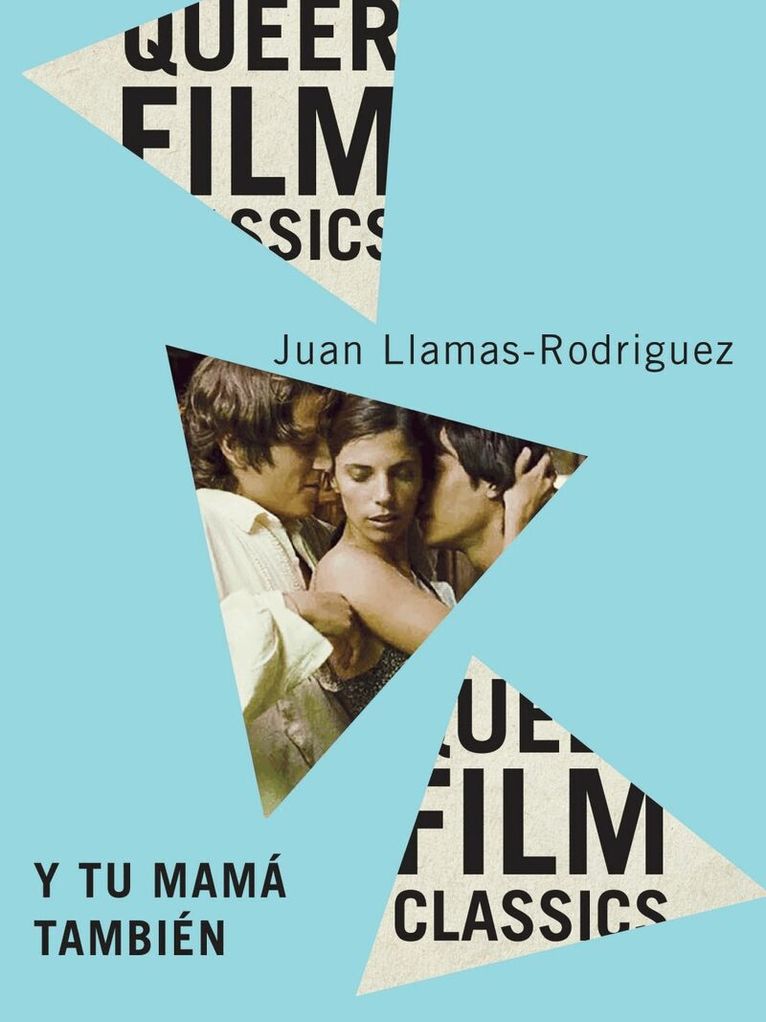
A classic of New Mexican Cinema, Y Tu Mamá También courted controversy with its explicit depictions of teenage sexuality and its forthright perspective on the country’s inequality. The cinematic sensation gained international accolades for its mixing of genres and film styles and inspired a wide body of writing from both critics and scholars. The multimedia lives of Y Tu Mamá También (especially in music, music videos, and social media) have kept the film relevant for audiences too young to have seen it when it debuted.Juan Llamas-Rodriguez revisits Y Tu Mamá También after more than two decades of social, industrial, and technological change to show how it astutely captures a particular moment in Mexican history and film production. The film was a turning point for Mexican stardom on the world stage, and the performances and celebrity of its stars, Diego Luna and Gael García Bernal, reframed millennial Mexican masculinities. The eclectic and popular bilingual soundtrack is a focal point, read as engendering a queer listening and as an integral aspect of the film’s queering of time. Rather than being legibly classified as gay or bisexual, Y Tu Mamá También flouts sexual mores and national stereotypes and continues to spur new forms of longing and desire among audiences today.Moving beyond heavily debated questions of identity and representation, Llamas-Rodriguez explores the waves of reception, scholarship, celebrity culture, and social media content around Y Tu Mamá También that have shaped its queer legacy, and the circuits of influence that enliven global cinema across media and national borders.
1 188 kr
Skickas inom 7-10 vardagar
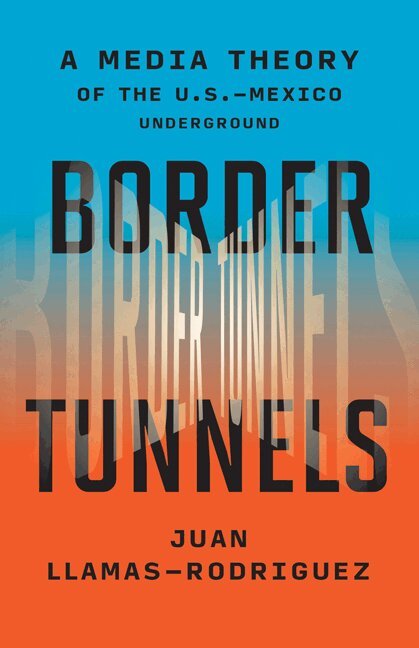
A comparative media analysis of the representation of the U.S.–Mexico borderBorder tunnels at the U.S.–Mexico border are ubiquitous in news, movies, and television, yet, because they remain hidden and inaccessible, the public can encounter them only through media. Analyzing the technologies, institutional politics, narrative tropes, and aesthetic decisions that go into showing border tunnels across multiple forms of media, Juan Llamas-Rodriguez argues that we cannot properly address border issues without attending to-and fully understanding-the fraught relationship between their representation and reality. Llamas-Rodriguez reveals that every media text about border tunnels, whether meant for entertainment, cable news, video games, or speculative design, implicitly takes a position on the politics of the border. The examples laid out in Border Tunnels will teach readers how to look differently at the border as it is commonly presented in various forms of media, from ABC’s Nightline and CNN’s Anderson Cooper 360º to reality TV, propaganda videos, and even digital effects in Hollywood action films. Llamas-Rodriguez examines how creative decisions in the production, promotion, and distribution of these media texts either emphasize or downplay issues such as border security, racial dynamics of migration, and sustainability of the borderlands. Focusing on tunnels to show how media representations can influence all kinds of audiences-even those physically near the border-Border Tunnels helps us make sense of this pressing social issue, ultimately advancing understanding of the U.S.–Mexico border in all of its complexity and precariousness.
282 kr
Skickas inom 7-10 vardagar
A comparative media analysis of the representation of the U.S.–Mexico borderBorder tunnels at the U.S.–Mexico border are ubiquitous in news, movies, and television, yet, because they remain hidden and inaccessible, the public can encounter them only through media. Analyzing the technologies, institutional politics, narrative tropes, and aesthetic decisions that go into showing border tunnels across multiple forms of media, Juan Llamas-Rodriguez argues that we cannot properly address border issues without attending to-and fully understanding-the fraught relationship between their representation and reality. Llamas-Rodriguez reveals that every media text about border tunnels, whether meant for entertainment, cable news, video games, or speculative design, implicitly takes a position on the politics of the border. The examples laid out in Border Tunnels will teach readers how to look differently at the border as it is commonly presented in various forms of media, from ABC’s Nightline and CNN’s Anderson Cooper 360º to reality TV, propaganda videos, and even digital effects in Hollywood action films. Llamas-Rodriguez examines how creative decisions in the production, promotion, and distribution of these media texts either emphasize or downplay issues such as border security, racial dynamics of migration, and sustainability of the borderlands. Focusing on tunnels to show how media representations can influence all kinds of audiences-even those physically near the border-Border Tunnels helps us make sense of this pressing social issue, ultimately advancing understanding of the U.S.–Mexico border in all of its complexity and precariousness.
417 kr
Skickas inom 7-10 vardagar
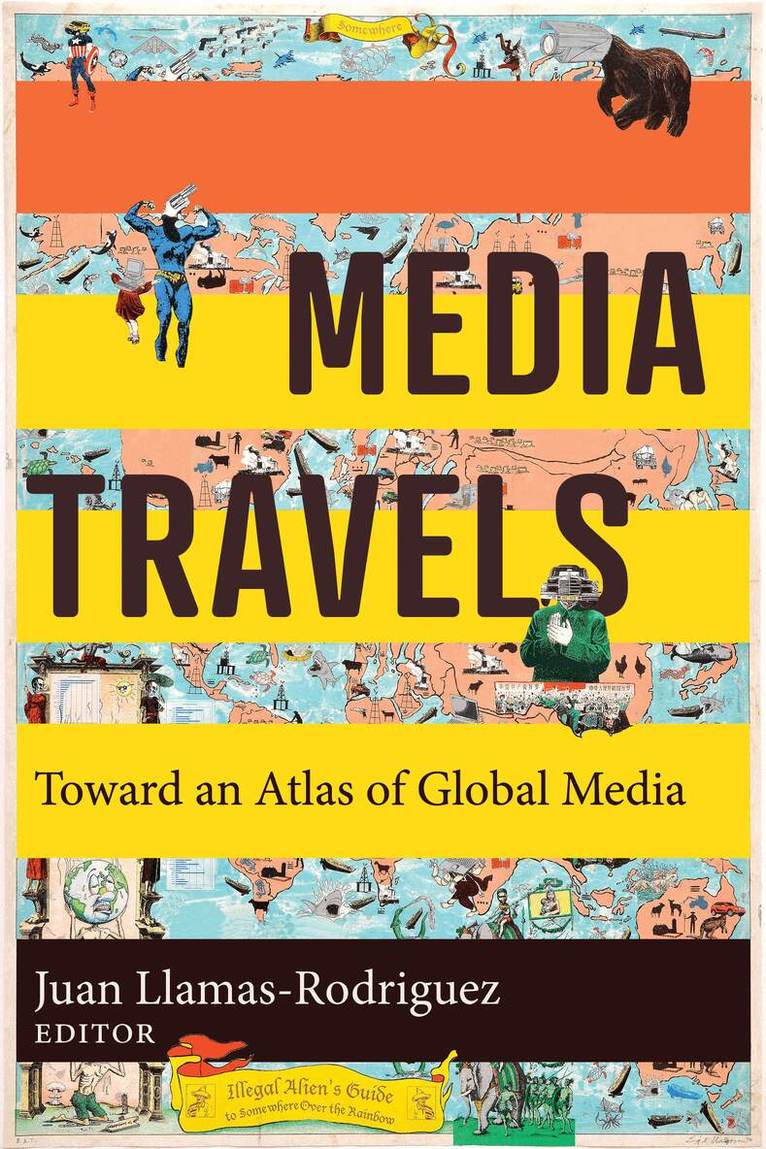
Media Travels: Toward An Atlas of Global Media fills a significant gap in global media scholarship by offering short, readable articles covering different types of media from around the world. Through careful and informed analysis, these eleven accessibly written chapters illustrate the particularities of different media practices and situate them within social, historical, and geographical contexts. Examples range from South African video games to Korean TV series popular in Latin America to Indigenous film and media from the US and Canada.Media studies courses, particularly introductory courses, are often narrowly focused on US and Western European canons. Instructors for introductory media studies courses wishing to expand the offerings in their curricula will find in these essays new ways of approaching foundational concepts and issues in the field, including globalization, social difference, and diverse media cultures. Scholars wishing to expand their research into specific media forms or representational issues can also turn to these case studies for approaches from beyond the US. By including a variety of media and several geographical areas, the collection introduces readers to the formal, technological, and cultural diversity of global media studies. Edited by Juan Llamas-Rodriguez with contributions from Anthony Adah and Añulika Agina, Maria Corrigan, Benjamin Han, Anna Shah Hoque, Meryem Kamil, Angelica Marie Lawson, Lilia Adriana Perez Limon, Sonia Robles, Kuhu Tanvir, David Tenorio, and Rachel van der Merwe.
2 316 kr
Skickas inom 7-10 vardagar
Media Travels: Toward An Atlas of Global Media fills a significant gap in global media scholarship by offering short, readable articles covering different types of media from around the world. Through careful and informed analysis, these eleven accessibly written chapters illustrate the particularities of different media practices and situate them within social, historical, and geographical contexts. Examples range from South African video games to Korean TV series popular in Latin America to Indigenous film and media from the US and Canada.Media studies courses, particularly introductory courses, are often narrowly focused on US and Western European canons. Instructors for introductory media studies courses wishing to expand the offerings in their curricula will find in these essays new ways of approaching foundational concepts and issues in the field, including globalization, social difference, and diverse media cultures. Scholars wishing to expand their research into specific media forms or representational issues can also turn to these case studies for approaches from beyond the US. By including a variety of media and several geographical areas, the collection introduces readers to the formal, technological, and cultural diversity of global media studies. Edited by Juan Llamas-Rodriguez with contributions from Anthony Adah and Añulika Agina, Maria Corrigan, Benjamin Han, Anna Shah Hoque, Meryem Kamil, Angelica Marie Lawson, Lilia Adriana Perez Limon, Sonia Robles, Kuhu Tanvir, David Tenorio, and Rachel van der Merwe.