Kalyan S. Perumalla – författare
Visar alla böcker från författaren Kalyan S. Perumalla. Handla med fri frakt och snabb leverans.
5 produkter
5 produkter
E-bok
Engelska, 20132 943 kr
Läs direkt efter köp
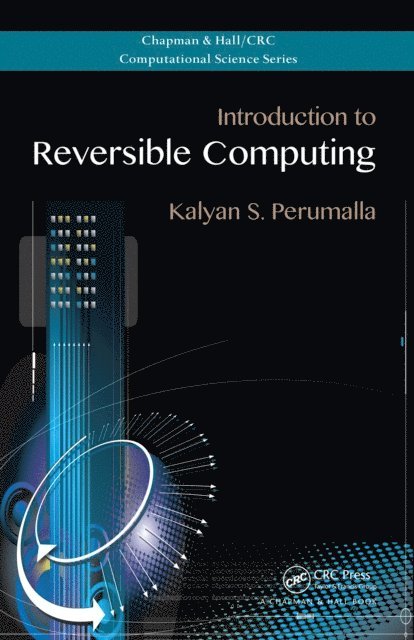
Collecting scattered knowledge into one coherent account, this book provides a compendium of both classical and recently developed results on reversible computing. It offers an expanded view of the field that includes the traditional energy-motivated hardware viewpoint as well as the emerging application-motivated software approach. It explores up-and-coming theories, techniques, and tools for the application of reversible computing. The topics covered span several areas of computer science, including high-performance computing, parallel/distributed systems, computational theory, compilers, power-aware computing, and supercomputing.
Inbunden, Engelska, 2013
2 477 kr
Skickas inom 10-15 vardagar
Few books comprehensively cover the software and programming aspects of reversible computing. Filling this gap, Introduction to Reversible Computing offers an expanded view of the field that includes the traditional energy-motivated hardware viewpoint as well as the emerging application-motivated software approach. Collecting scattered knowledge into one coherent account, the book provides a compendium of both classical and recently developed results on reversible computing. It explores up-and-coming theories, techniques, and tools for the application of reversible computing—the logical next step in the evolution of computing systems.The book covers theory, hardware and software aspects, fundamental limits, complexity analyses, practical algorithms, compilers, efficiency improvement techniques, and application areas. The topics span several areas of computer science, including high-performance computing, parallel/distributed systems, computational theory, compilers, power-aware computing, and supercomputing. The book presents sufficient material for newcomers to easily get started. It provides citations to original articles on seminal results so that readers can consult the corresponding publications in the literature. Pointers to additional resources are included for more advanced topics. For those already familiar with a certain topic within reversible computing, the book can serve as a one-stop reference to other topics in the field.
E-bok
PDF, Engelska, 20132 865 kr
Läs direkt efter köp
Collecting scattered knowledge into one coherent account, this book provides a compendium of both classical and recently developed results on reversible computing. It offers an expanded view of the field that includes the traditional energy-motivated hardware viewpoint as well as the emerging application-motivated software approach. It explores up-and-coming theories, techniques, and tools for the application of reversible computing. The topics covered span several areas of computer science, including high-performance computing, parallel/distributed systems, computational theory, compilers, power-aware computing, and supercomputing.
Häftad, Engelska, 2007
365 kr
Skickas inom 10-15 vardagar
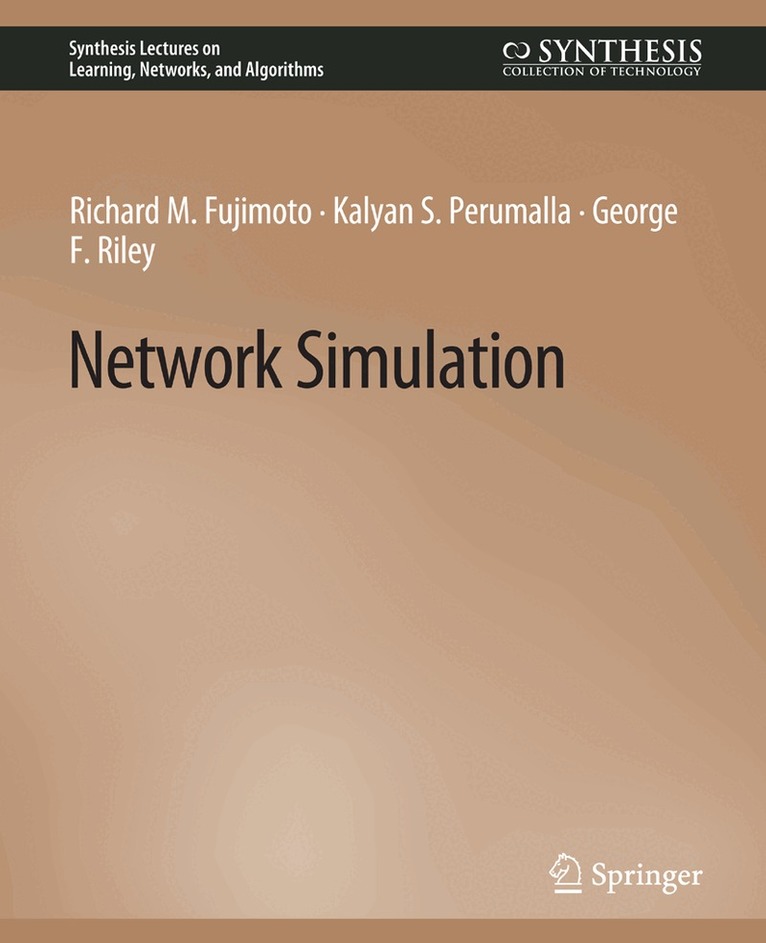
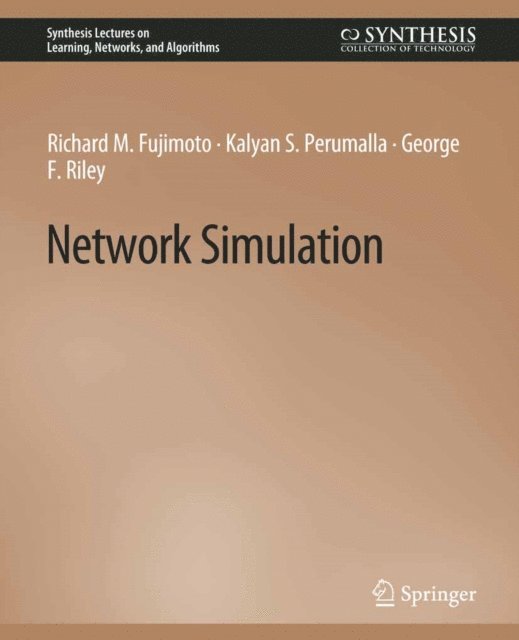
A detailed introduction to the design, implementation, and use of network simulation tools is presented. The requirements and issues faced in the design of simulators for wired and wireless networks are discussed. Abstractions such as packet- and fluid-level network models are covered. Several existing simulations are given as examples, with details and rationales regarding design decisions presented. Issues regarding performance and scalability are discussed in detail, describing how one can utilize distributed simulation methods to increase the scale and performance of a simulation environment. Finally, a case study of two simulation tools is presented that have been developed using distributed simulation techniques. This text is essential to any student, researcher, or network architect desiring a detailed understanding of how network simulation tools are designed, implemented, and used.
E-bok
PDF, Engelska, 2022443 kr
Läs direkt efter köp
A detailed introduction to the design, implementation, and use of network simulation tools is presented. The requirements and issues faced in the design of simulators for wired and wireless networks are discussed. Abstractions such as packet- and fluid-level network models are covered. Several existing simulations are given as examples, with details and rationales regarding design decisions presented. Issues regarding performance and scalability are discussed in detail, describing how one can utilize distributed simulation methods to increase the scale and performance of a simulation environment. Finally, a case study of two simulation tools is presented that have been developed using distributed simulation techniques. This text is essential to any student, researcher, or network architect desiring a detailed understanding of how network simulation tools are designed, implemented, and used.