Katherine G. Morrissey - Böcker
Visar alla böcker från författaren Katherine G. Morrissey. Handla med fri frakt och snabb leverans.
3 produkter
3 produkter
1 597 kr
Skickas inom 10-15 vardagar
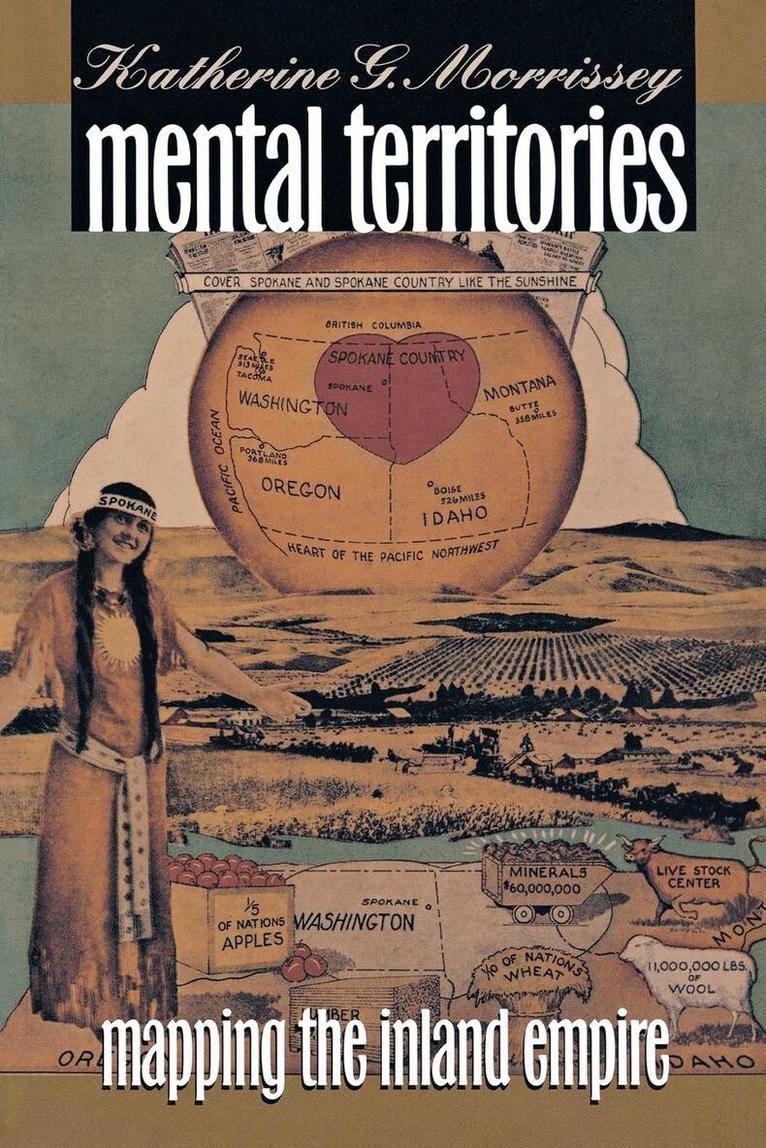
Rarely recognized outside its boundaries today, the Pacific Northwest region known at the turn of the century as the Inland Empire included portions of the states of Washington and Idaho, as well as British Columbia. Katherine G. Morrissey traces the history of this self-proclaimed region from its origins through its heyday. In doing so, she challenges the characterization of regions as fixed places defined by their geography, economy, and demographics. Regions, she argues, are best understood as mental constructs, internally defined through conflicts and debates among different groups of people seeking to control a particular area's identity and direction. She tells the story of the Inland Empire as a complex narrative of competing perceptions and interests.
446 kr
Skickas inom 10-15 vardagar
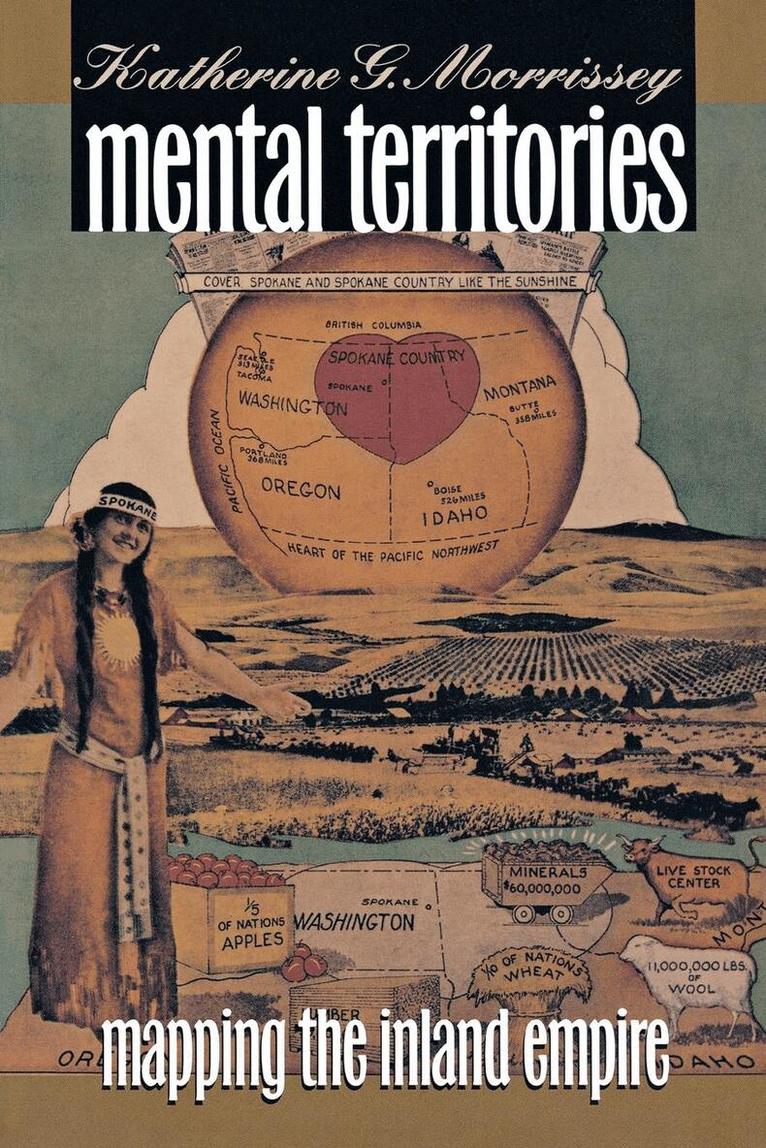
Rarely recognized outside its boundaries today, the Pacific Northwest region known at the turn of the century as the Inland Empire included portions of the states of Washington and Idaho, as well as British Columbia. Katherine G. Morrissey traces the history of this self-proclaimed region from its origins through its heyday. In doing so, she challenges the characterization of regions as fixed places defined by their geography, economy, and demographics. Regions, she argues, are best understood as mental constructs, internally defined through conflicts and debates among different groups of people seeking to control a particular area's identity and direction. She tells the story of the Inland Empire as a complex narrative of competing perceptions and interests.
331 kr
Skickas inom 7-10 vardagar
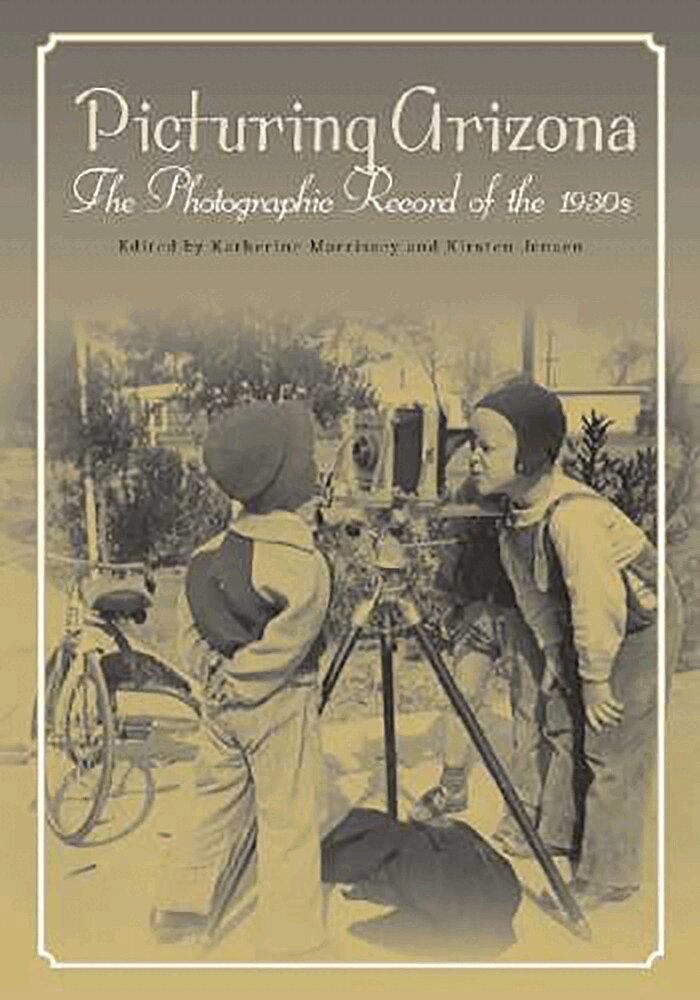
As cultural documents, as works of art, and as historical records, photographs of 1930s Arizona tell a remarkable story. They capture enduring visions of the Depression that linger in cultural memory: dust storms, Okies on their way to California, breadlines, and ramshackle tent cities. They also reflect a more particular experience and a unique perspective. This book places the work of local Arizonans alongside that of federal photographers both to illuminate the impact of the Depression on the state's distinctive racial and natural landscapes and to show the influence of differing cultural agendas on the photographic record. The more than one hundred images by well-known photographers such as Dorothea Lange and Laura Gilpin as well as by an array of less familiar photographers?represent a variety of purposes and perspectives, from public to personal, political to promotional. Six essays and three photo-essays bring together prominent authorities in history, the arts, and other fields who provide diverse perspectives on this period in Arizona and American history.Viewed together, the words and images capture a Depression-era Arizona bustling with activity as federally funded construction projects and seasonal agricultural jobs brought migrants and newcomers to the state. They convey the celebrations and the struggles of commercial photographers, archaeologists, city folks, farmers, tourists, native peoples and others in these hard times. As the economic strains of the decade reverberated through the state, local photographers documented the lives of Arizona residents?including those frequently overlooked by historians. As this book persuasively shows, photographs can conceal as much as they reveal. A young Mexican American girl stands in front of a backdrop that hides the outhouse behind her, a deeply moving image for what it suggests about the efforts of her family to conceal their economic circumstances. Yet this image is a perfect metaphor for all the photographs in this book: stories remain hidden, but when viewers begin to question what they cannot see, pictures resonate more loudly than ever before. This book is a history of Arizona written from the photographic record, offering a point of view that may differ from the written record.From the images and the insights of the authors, we can gain a new appreciation of how one state, nd its indomitable people?weathered our nation's toughest times.