Kaya Şahin – författare
Visar alla böcker från författaren Kaya Şahin. Handla med fri frakt och snabb leverans.
7 produkter
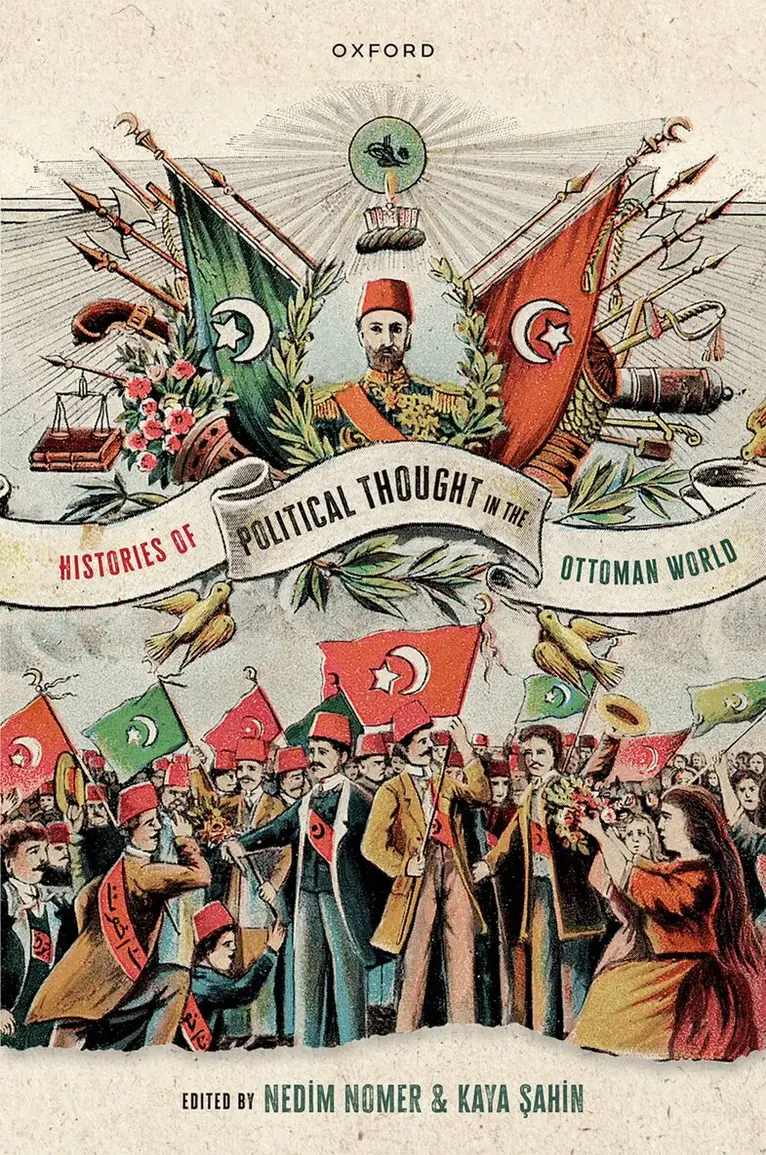
Histories of Political Thought in the Ottoman World
Inbunden, 2024
1843 kr
Lägg i varukorg
This collection of papers is intended to provide a survey of the history of political ideas in the Ottoman world from its dawn around 1300 to its downfall in the early 20th century. It features fourteen original papers by some of the most prominent and innovative scholars of Ottoman history. The …
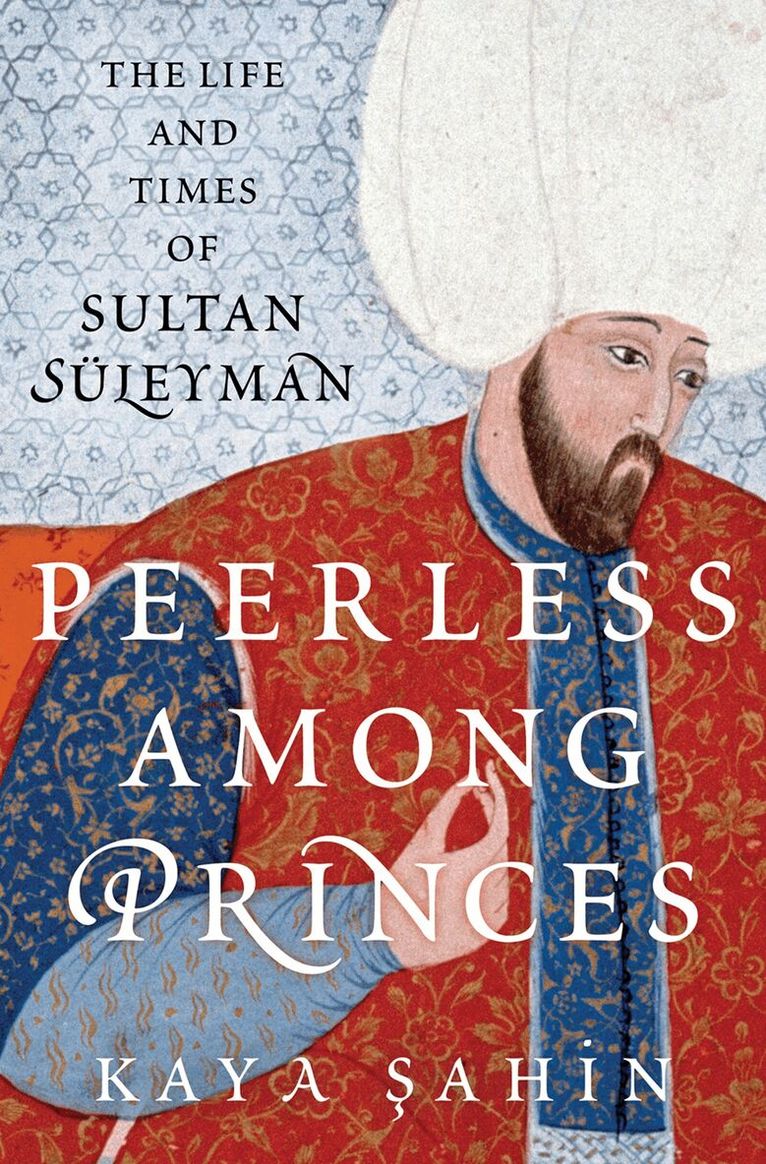
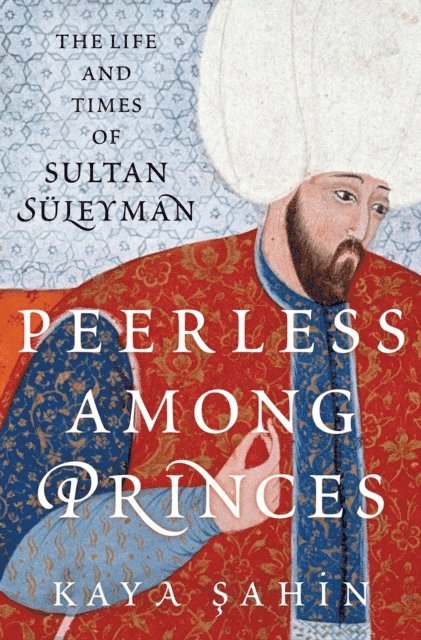
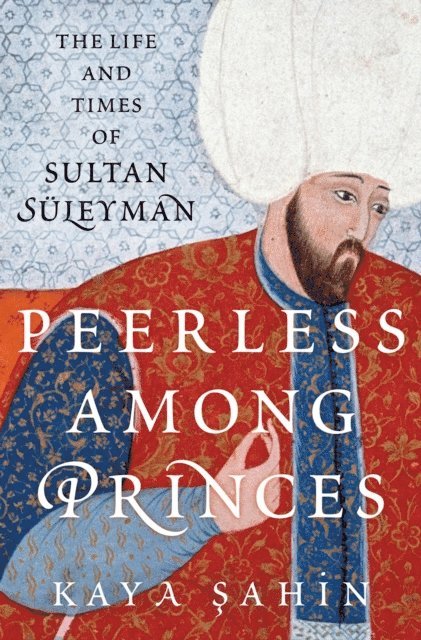
Peerless among Princes
The Life and Times of Sultan Süleyman
Av Kaya Şahin
Inbunden, 2023
402 kr
Lägg i varukorg
A full life and times biography of Süleyman, the longest reigning sultan of the Ottoman Empire.Süleyman, who ruled the Ottoman Empire between 1520 and 1566, was a globally recognized figure during his lifetime. His domain extended from Hungary to Iran, and from the Crimea to North Africa and the …
Histories of Political Thought in the Ottoman World
E-bok, 2024
1662 kr
Lägg i varukorg
This collection of papers is intended to provide a survey of the history of political ideas in the Ottoman world from its dawn around 1300 to its downfall in the early 20th century. It features fourteen original papers by some of the most prominent and innovative scholars of Ottoman history. The …
Histories of Political Thought in the Ottoman World
E-bok, 2024
1662 kr
Lägg i varukorg
This collection of papers is intended to provide a survey of the history of political ideas in the Ottoman world from its dawn around 1300 to its downfall in the early 20th century. It features fourteen original papers by some of the most prominent and innovative scholars of Ottoman history. The …
Peerless among Princes
The Life and Times of Sultan Suleyman
Av Kaya Sahin
E-bok, 2023
260 kr
Lägg i varukorg
A full life and times biography of Süleyman, the longest reigning sultan of the Ottoman Empire. Süleyman, who ruled the Ottoman Empire between 1520 and 1566, was a globally recognized figure during his lifetime. His domain extended from Hungary to Iran, and from the Crimea to North Africa and the …
Peerless among Princes
The Life and Times of Sultan Suleyman
Av Kaya Sahin
E-bok, 2023
260 kr
Lägg i varukorg
A full life and times biography of Süleyman, the longest reigning sultan of the Ottoman Empire. Süleyman, who ruled the Ottoman Empire between 1520 and 1566, was a globally recognized figure during his lifetime. His domain extended from Hungary to Iran, and from the Crimea to North Africa and the …
Reading and Writing Letters in the Global Renaissance
Av Nicole Reinhardt, Kaya Şahin
Häftad, 2026
708 kr
Kommande
The development of humanist letter-writing culture has long been considered a distinct trait and hallmark of the “European” Renaissance. Applying a globalizing approach, this issue aims to challenge this paradigm by proposing a scholarly exploration of European and non-European letter-writing …