Kim-Phuong L. Vu - Böcker
Visar alla böcker från författaren Kim-Phuong L. Vu. Handla med fri frakt och snabb leverans.
3 produkter
3 produkter
1 227 kr
Skickas inom 10-15 vardagar
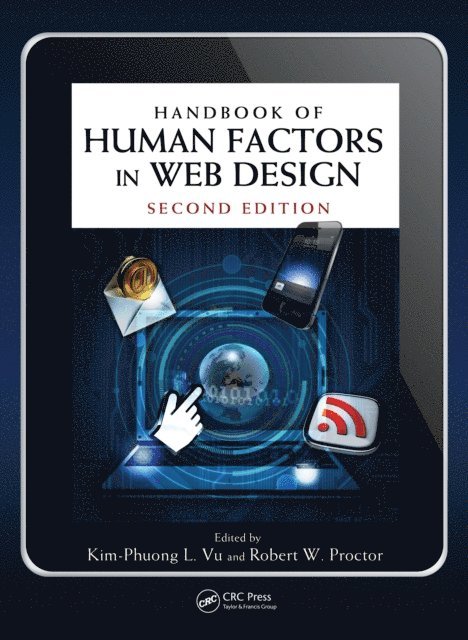
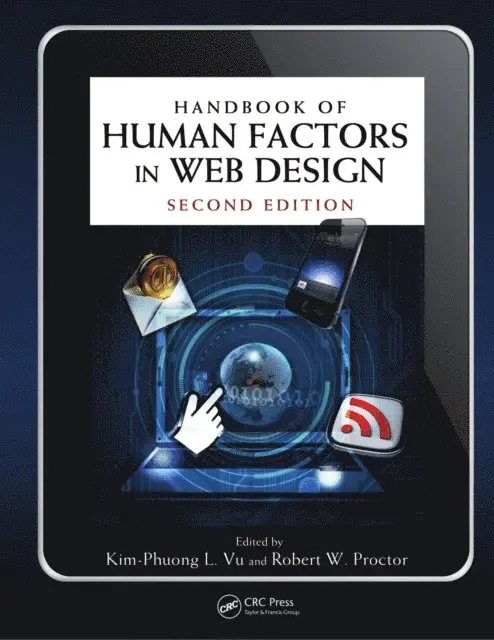
The Handbook of Human Factors in Web Design covers basic human factors issues relating to screen design, input devices, and information organization and processing, as well as addresses newer features which will become prominent in the next generation of Web technologies. These include multimodal interfaces, wireless capabilities, and agents that can improve convenience and usability. Written by leading researchers and/or practitioners in the field, this volume reflects the varied backgrounds and interests of individuals involved in all aspects of human factors and Web design and includes chapters on a full range of topics.Divided into 12 sections, this book covers:historical backgrounds and overviews of Human Factors and Ergonomics (HFE)specific subfields of HFEissues involved in content preparation for the Webinformation search and interactive information agentsdesigning for universal access and specific user populationsthe importance of incorporating usability evaluations in the design process task analysis, meaning analysis, and performance modelingspecific Web applications in academic and industrial settingsWeb psychology and information securityemerging technological developments and applications for the Webthe costs and benefits of incorporating human factors for the Web and the state of current guidelinesThe Handbook of Human Factors in Web Design is intended for researchers and practitioners concerned with all aspects of Web design. It could also be used as a text for advanced courses in computer science, industrial engineering, and psychology.
1 158 kr
Skickas inom 7-10 vardagar
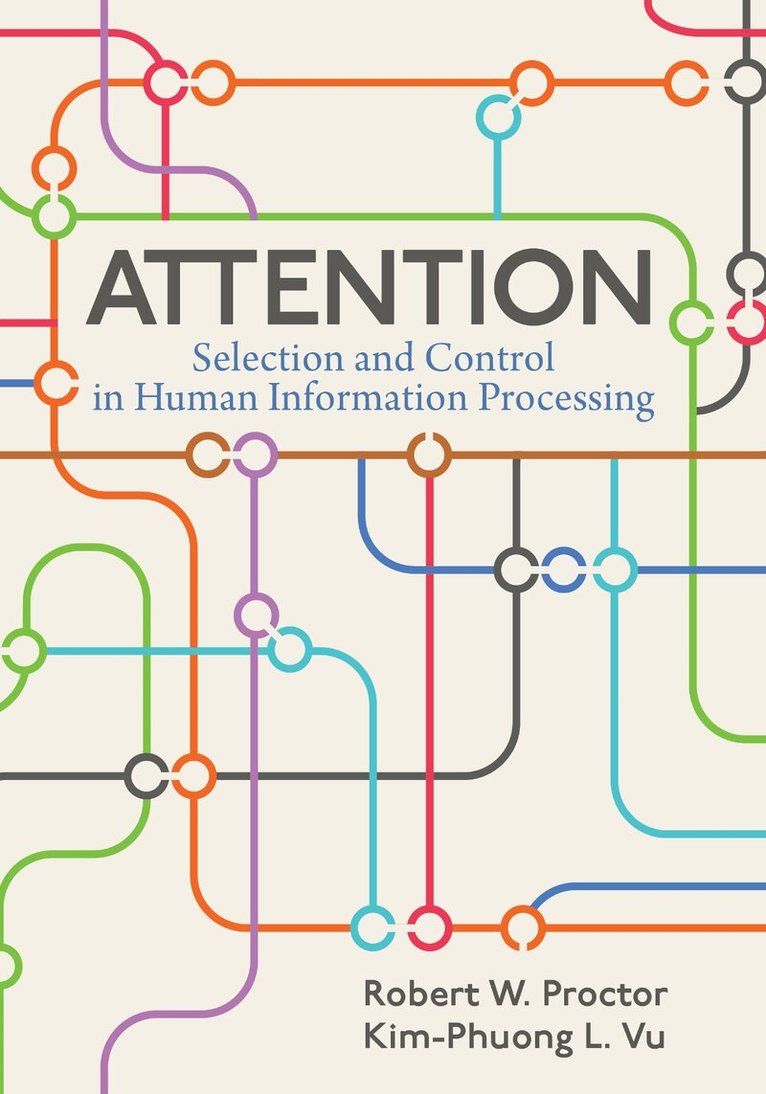
This text presents a comprehensive and accessible overview of the science of attention, conveying its central findings and applications to real-world issues, including its relationship with technology, learning, and memory. The study of attention is a core area of psychology that is particularly relevant today, given the ever-increasing demands on our mental workload. This book conveys the essential issues in attention research, showing how theory and research co-evolve. The authors use an interdisciplinary information-processing framework that draws from cognitive psychology and neuroscience.Each chapter reviews a specific type of attention and related cognitive processes, including auditory and visual selective attention, attentional control and inhibition, divided attention and multitasking, sensory and working memory, and memory consolidation and information retrieval. Feature boxes help readers translate key research findings into real-world applications. A special focus is the relationship between attention and modern technology, for example in processing multisensory input in virtual and online environments, and in situations such as air traffic control, piloting, and driving, where situation awareness is crucial. Various pathologies that affect attention are also reviewed, including ADHD, autism-spectrum disorders, dementia, and head injuries.
3 256 kr
Skickas inom 10-15 vardagar
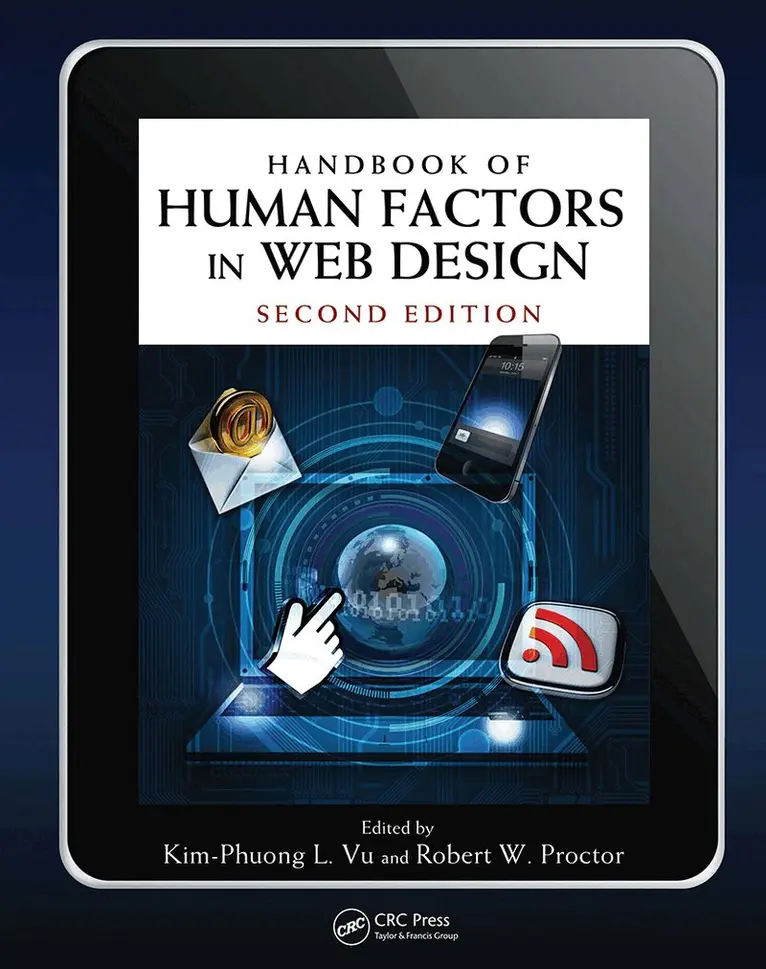
The Handbook of Human Factors in Web Design covers basic human factors issues relating to screen design, input devices, and information organization and processing, as well as addresses newer features which will become prominent in the next generation of Web technologies. These include multimodal interfaces, wireless capabilities, and agents that can improve convenience and usability. Written by leading researchers and/or practitioners in the field, this volume reflects the varied backgrounds and interests of individuals involved in all aspects of human factors and Web design and includes chapters on a full range of topics.Divided into 12 sections, this book covers:historical backgrounds and overviews of Human Factors and Ergonomics (HFE)specific subfields of HFEissues involved in content preparation for the Webinformation search and interactive information agentsdesigning for universal access and specific user populationsthe importance of incorporating usability evaluations in the design process task analysis, meaning analysis, and performance modelingspecific Web applications in academic and industrial settingsWeb psychology and information securityemerging technological developments and applications for the Webthe costs and benefits of incorporating human factors for the Web and the state of current guidelinesThe Handbook of Human Factors in Web Design is intended for researchers and practitioners concerned with all aspects of Web design. It could also be used as a text for advanced courses in computer science, industrial engineering, and psychology.