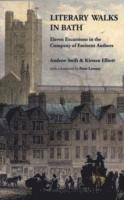
Few cities have been so celebrated in print as Bath - from Smollett to Jane Austen, from Dickens to Fanny Burney, and from Sheridan to Georgette Heyer. Many other famous writers have passed through as well - Mary Shelley wrote Frankenstein in a house in the Abbey Church Yard, Coleridge met his wife in the city, and in the twentieth century John Betjeman championed its architectural heritage. Even Shakespeare - or so it is believed - turned up to take a dip in the hot springs. These eleven walks look at Bath through their eyes, creating a vivid social history of the city over the last 300 years and bringing the past alive with unparalleled immediacy. Fully illustrated, and including in-depth accounts of the writers and works featured, they can either be followed on foot or - with the aid of historic maps of the city - read as a series of essays.
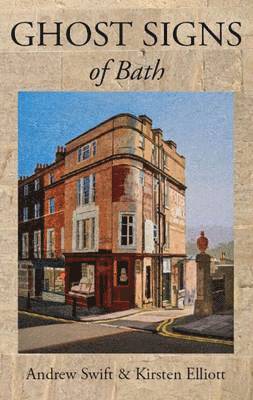
Ghost signs - those faded advertisements for long defunct businesses on the walls of old buildings - are among the most potent reminders of a bygone age - and nowhere are they found in greater abundance or variety than on the streets of Bath.Long a source of fascination for visitors and residents alike, signs for forgotten trades such as brushmakers, corn factors and perfumers still jostle for attention alongside modern shopfronts. Canalside coal wharves, a pump room where Jane Austen's brother took the waters, the sinister-sounding Asylum for Teaching Young Females Household Work, and a Regency tea warehouse - all still proclaim their ghostly presence a century or more after they closed their doors for ever.This book tells the story behind these tantalising echoes from the past. Trawling through old newspapers, deeds and documents to discover when and why the signs were painted, the authors have revealed a hidden history of the city.Over 160 ghost signs are featured, arranged by area into a series of short walks, with historic maps to guide you through the city streets.Ghost signs in the suburbs and surrounding villages, as well as in Bradford on Avon and Corsham, are also included, and the book ends with an intriguing look at Bath's lost ghost signs.
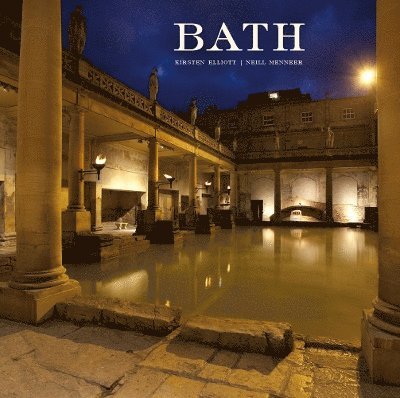
Throughout recorded history, Bath has been famed for its hot springs. The Romans bathed there; Elizabeth I promoted the spa town; Hanoverians visited it for their health. By the eighteenth century Bath was the fashionable venue for high society. Entrepreneurs of all types seized the opportunity. 'Beau' Nash instituted a strictly regulated social life; eager young architects including John Wood the Elder and his son Wood the Younger transformed the cityscape.In this text, Kirsten Elliott tells Bath's story through the centuries and brings it up to date, celebrating the modern city as a vibrant place attracting visitors from all over the world. Illustrated with over 200 stunning colour photographs by renowned location photographer Neill Menneer, text and pictures come together to make a book which is a joy to anyone who loves Bath, a must for any visitor.
Few cities have been so celebrated in print as Bath - from Smollett to Jane Austen, from Dickens to Fanny Burney, and from Sheridan to Georgette Heyer. Many other famous writers have passed through as well - Mary Shelley wrote Frankenstein in a house in the Abbey Church Yard, Coleridge met his wife in the city, and in the twentieth century John Betjeman championed its architectural heritage. Even Shakespeare - or so it is believed - turned up to take a dip in the hot springs. These eleven walks look at Bath through their eyes, creating a vivid social history of the city over the last 300 years and bringing the past alive with unparalleled immediacy. Fully illustrated, and including in-depth accounts of the writers and works featured, they can either be followed on foot or - with the aid of historic maps of the city - read as a series of essays.
Ghost signs - those faded advertisements for long defunct businesses on the walls of old buildings - are among the most potent reminders of a bygone age - and nowhere are they found in greater abundance or variety than on the streets of Bath.Long a source of fascination for visitors and residents alike, signs for forgotten trades such as brushmakers, corn factors and perfumers still jostle for attention alongside modern shopfronts. Canalside coal wharves, a pump room where Jane Austen's brother took the waters, the sinister-sounding Asylum for Teaching Young Females Household Work, and a Regency tea warehouse - all still proclaim their ghostly presence a century or more after they closed their doors for ever.This book tells the story behind these tantalising echoes from the past. Trawling through old newspapers, deeds and documents to discover when and why the signs were painted, the authors have revealed a hidden history of the city.Over 160 ghost signs are featured, arranged by area into a series of short walks, with historic maps to guide you through the city streets.Ghost signs in the suburbs and surrounding villages, as well as in Bradford on Avon and Corsham, are also included, and the book ends with an intriguing look at Bath's lost ghost signs.
Throughout recorded history, Bath has been famed for its hot springs. The Romans bathed there; Elizabeth I promoted the spa town; Hanoverians visited it for their health. By the eighteenth century Bath was the fashionable venue for high society. Entrepreneurs of all types seized the opportunity. 'Beau' Nash instituted a strictly regulated social life; eager young architects including John Wood the Elder and his son Wood the Younger transformed the cityscape.In this text, Kirsten Elliott tells Bath's story through the centuries and brings it up to date, celebrating the modern city as a vibrant place attracting visitors from all over the world. Illustrated with over 200 stunning colour photographs by renowned location photographer Neill Menneer, text and pictures come together to make a book which is a joy to anyone who loves Bath, a must for any visitor.