Konstantina Zanou – författare
Visar alla böcker från författaren . Handla med fri frakt och snabb leverans.
6 produkter
6 produkter
E-bok
PDF, Engelska, 2018348 kr
Läs direkt efter köp
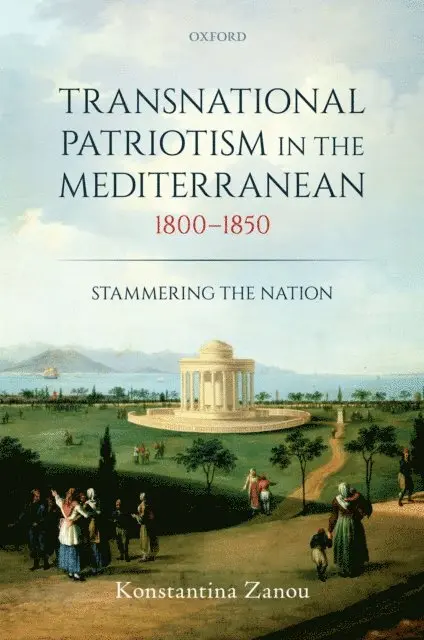
Transnational Patriotism in the Mediterranean investigates the long process of transition from a world of empires to a world of nation-states by narrating the biographies of a group of people who were born within empires but came of age surrounded by the emerging vocabulary of nationalism, much of which they themselves created.It is the story of a generation of intellectuals and political thinkers from the Ionian Islands who experienced the collapse of the Republic of Venice and the dissolution of the common cultural and political space of the Adriatic, and who contributed to the creation of Italian and Greek nationalisms. By uncovering this forgotten intellectual universe, Transnational Patriotism in the Mediterranean retrieves a world characterized by multiple cultural, intellectual, and politicalaffiliations that have since been buried by the conventional narrative of the formation of nation-states.Transnational Patriotism in the Mediterranean rethinks the origins of Italian and Greek nationalisms and states, highlighting the intellectual connection between the Italian peninsula, Greece, and Russia, and reestablishing the lost link between the changing geopolitical contexts of western Europe, the Mediterranean, and the Balkans in the Age of Revolutions. It re-inscribes important intellectuals and political figures, considered ''national fathers'' of Italy and Greece (such as UgoFoscolo, Dionysios Solomos, Ioannis Kapodistrias and Niccolò Tommaseo), into their regional and multicultural context, and shows how nations emerged from an intermingling, rather than a clash, of ideas concerning empire and liberalism, Enlightenment and religion, revolution and conservatism, and East andWest.
348 kr
Läs direkt efter köp
Transnational Patriotism in the Mediterranean investigates the long process of transition from a world of empires to a world of nation-states by narrating the biographies of a group of people who were born within empires but came of age surrounded by the emerging vocabulary of nationalism, much of which they themselves created.It is the story of a generation of intellectuals and political thinkers from the Ionian Islands who experienced the collapse of the Republic of Venice and the dissolution of the common cultural and political space of the Adriatic, and who contributed to the creation of Italian and Greek nationalisms. By uncovering this forgotten intellectual universe, Transnational Patriotism in the Mediterranean retrieves a world characterized by multiple cultural, intellectual, and politicalaffiliations that have since been buried by the conventional narrative of the formation of nation-states.Transnational Patriotism in the Mediterranean rethinks the origins of Italian and Greek nationalisms and states, highlighting the intellectual connection between the Italian peninsula, Greece, and Russia, and reestablishing the lost link between the changing geopolitical contexts of western Europe, the Mediterranean, and the Balkans in the Age of Revolutions. It re-inscribes important intellectuals and political figures, considered ''national fathers'' of Italy and Greece (such as UgoFoscolo, Dionysios Solomos, Ioannis Kapodistrias and Niccolò Tommaseo), into their regional and multicultural context, and shows how nations emerged from an intermingling, rather than a clash, of ideas concerning empire and liberalism, Enlightenment and religion, revolution and conservatism, and East andWest.
Inbunden, Engelska, 2018
1 952 kr
Skickas inom 3-6 vardagar
Transnational Patriotism in the Mediterranean investigates the long process of transition from a world of empires to a world of nation-states by narrating the biographies of a group of people who were born within empires but came of age surrounded by the emerging vocabulary of nationalism, much of which they themselves created. It is the story of a generation of intellectuals and political thinkers from the Ionian Islands who experienced the collapse of the Republic of Venice and the dissolution of the common cultural and political space of the Adriatic, and who contributed to the creation of Italian and Greek nationalisms. By uncovering this forgotten intellectual universe, Transnational Patriotism in the Mediterranean retrieves a world characterized by multiple cultural, intellectual, and political affiliations that have since been buried by the conventional narrative of the formation of nation-states. Transnational Patriotism in the Mediterranean rethinks the origins of Italian and Greek nationalisms and states, highlighting the intellectual connection between the Italian peninsula, Greece, and Russia, and reestablishing the lost link between the changing geopolitical contexts of western Europe, the Mediterranean, and the Balkans in the Age of Revolutions. It re-inscribes important intellectuals and political figures, considered 'national fathers' of Italy and Greece (such as Ugo Foscolo, Dionysios Solomos, Ioannis Kapodistrias and Niccolò Tommaseo), into their regional and multicultural context, and shows how nations emerged from an intermingling, rather than a clash, of ideas concerning empire and liberalism, Enlightenment and religion, revolution and conservatism, and East and West.
Inbunden, Engelska, 2015
1 850 kr
Skickas inom 10-15 vardagar
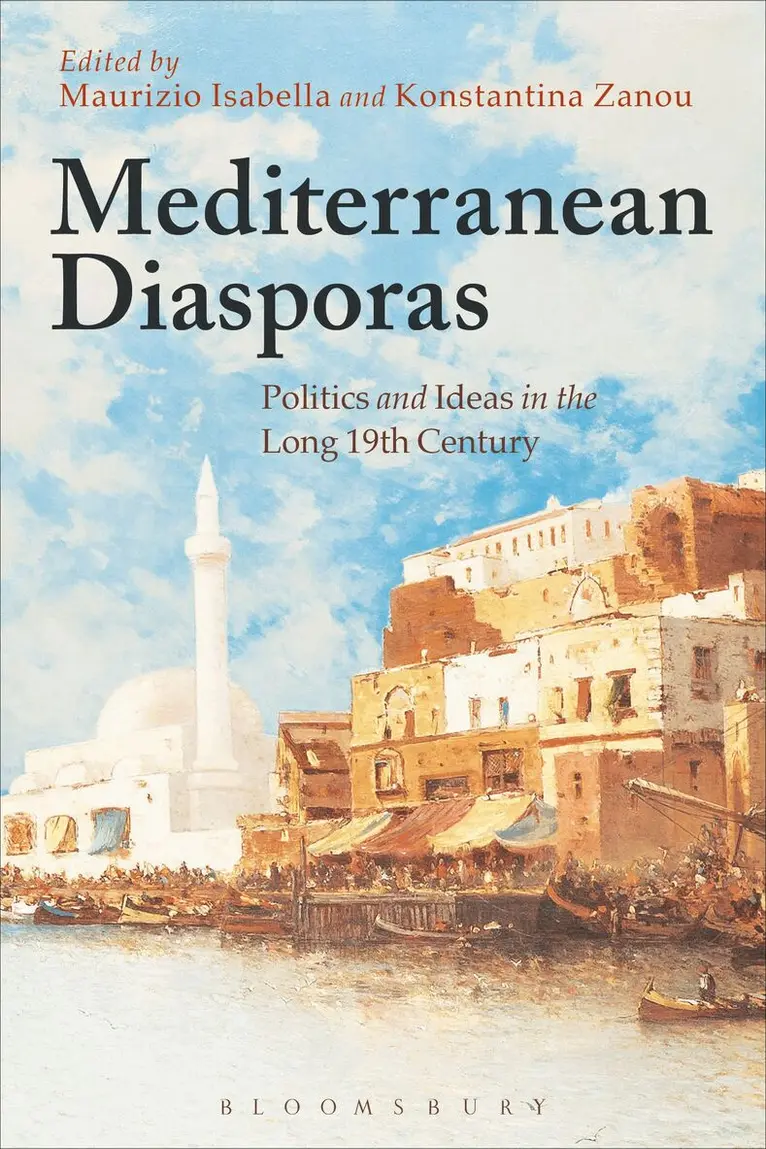
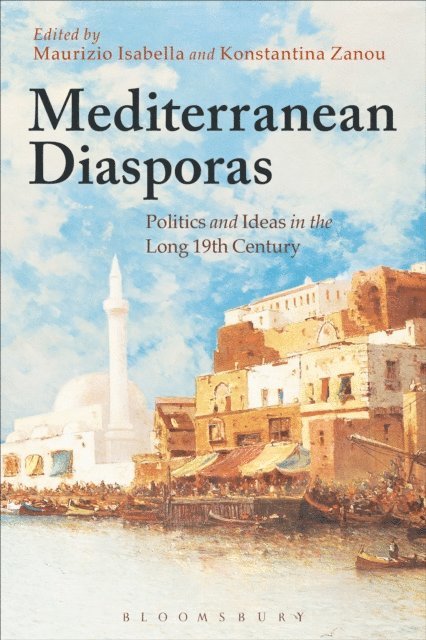
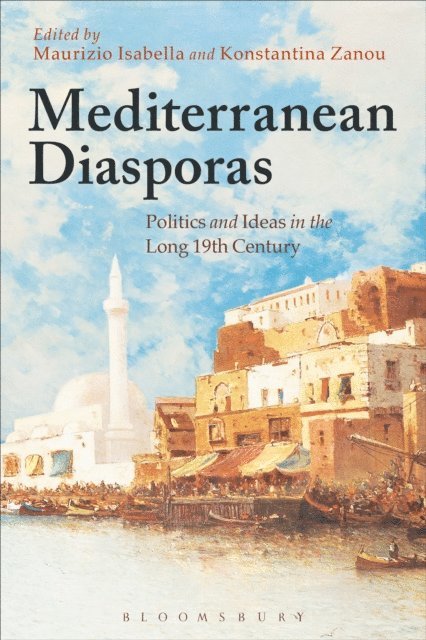
Mediterranean Diasporas looks at the relationship between displacement and the circulation of ideas within and from the Mediterranean basin in the long 19th century. In bringing together leading historians working on Southern Europe, the Balkans, and the Ottoman Empire for the first time, it builds bridges across national historiographies, raises a number of comparative questions and unveils unexplored intellectual connections and ideological formulations.The book shows that in the so-called age of nationalism the idea of the nation state was by no means dominant, as displaced intellectuals and migrant communities developed notions of double national affiliations, imperial patriotism and liberal imperialism. By adopting the Mediterranean as a framework of analysis, the collection offers a fresh contribution to the growing field of transnational and global intellectual history, revising the genealogy of 19th-century nationalism and liberalism, and reveals new perspectives on the intellectual dynamics of the age of revolutions.
E-bok
Engelska, 20152 020 kr
Läs direkt efter köp
Mediterranean Diasporas looks at the relationship between displacement and the circulation of ideas within and from the Mediterranean basin in the long 19th century. In bringing together leading historians working on Southern Europe, the Balkans, and the Ottoman Empire for the first time, it builds bridges across national historiographies, raises a number of comparative questions and unveils unexplored intellectual connections and ideological formulations.The book shows that in the so-called age of nationalism the idea of the nation state was by no means dominant, as displaced intellectuals and migrant communities developed notions of double national affiliations, imperial patriotism and liberal imperialism. By adopting the Mediterranean as a framework of analysis, the collection offers a fresh contribution to the growing field of transnational and global intellectual history, revising the genealogy of 19th-century nationalism and liberalism, and reveals new perspectives on the intellectual dynamics of the age of revolutions.
E-bok
PDF, Engelska, 20152 020 kr
Läs direkt efter köp
Mediterranean Diasporas looks at the relationship between displacement and the circulation of ideas within and from the Mediterranean basin in the long 19th century. In bringing together leading historians working on Southern Europe, the Balkans, and the Ottoman Empire for the first time, it builds bridges across national historiographies, raises a number of comparative questions and unveils unexplored intellectual connections and ideological formulations.The book shows that in the so-called age of nationalism the idea of the nation state was by no means dominant, as displaced intellectuals and migrant communities developed notions of double national affiliations, imperial patriotism and liberal imperialism. By adopting the Mediterranean as a framework of analysis, the collection offers a fresh contribution to the growing field of transnational and global intellectual history, revising the genealogy of 19th-century nationalism and liberalism, and reveals new perspectives on the intellectual dynamics of the age of revolutions.