Kurtis Hagen – författare
Visar alla böcker från författaren Kurtis Hagen. Handla med fri frakt och snabb leverans.
4 produkter
Conspiracy Theories and the Failure of Intellectual Critique
Av Kurtis Hagen
Inbunden, 2022
1260 kr
Lägg i varukorg
Conspiracy Theories and the Failure of Intellectual Critique argues that conspiracy theories, including those that conflict with official accounts and suggest that prominent people in Western democracies have engaged in appalling behavior, should be taken seriously and judged on their merits and …
Conspiracy Theories and the Failure of Intellectual Critique
Av Kurtis Hagen
E-bok, 2022
1283 kr
Lägg i varukorg
Conspiracy Theories and the Failure of Intellectual Critique argues that conspiracy theories, including those that conflict with official accounts and suggest that prominent people in Western democracies have engaged in appalling behavior, should be taken seriously and judged on their merits and …
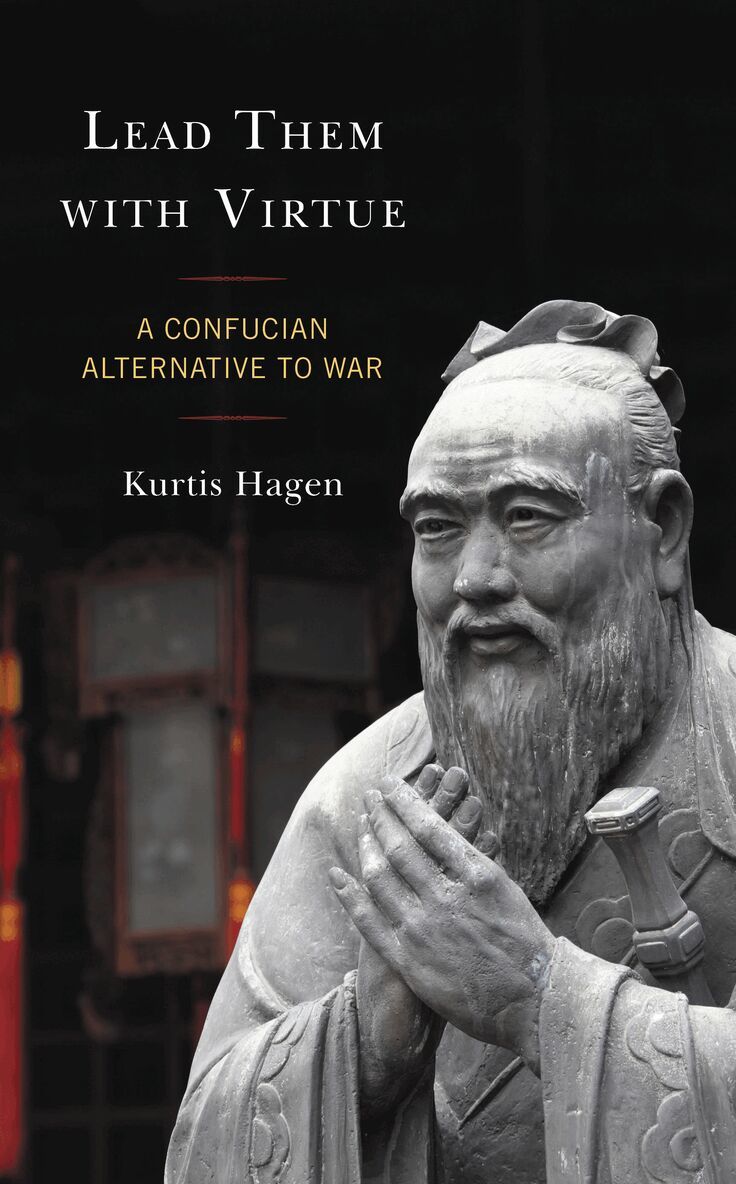
Lead Them with Virtue
A Confucian Alternative to War
Av Kurtis Hagen
Inbunden, 2021
1204 kr
Lägg i varukorg
Recent scholarship has framed early Confucians as just war theorists with relatively permissive criteria for the just use of violence. Lead Them with Virtue: A Confucian Alternative to War makes the case that such interpretations conflict with what Mencius and Xunzi were trying to do. Kurtis Hagen …
Philosophy of Xunzi
A Reconstruction
Av Kurtis Hagen
Häftad, 2007
289 kr
Tillfälligt slut
The Philosophy of Xunzi sheds light on the teachings of a disciplined thinker who contradicted conventional schools of Confucian thought. Living in a time of great instability and discord, Xunzi came to believe that man’s desires, if left unchecked, would lead to ruin, and so advocated a system of …