L. Ruprecht – författare
Visar alla böcker från författaren L. Ruprecht. Handla med fri frakt och snabb leverans.
5 produkter
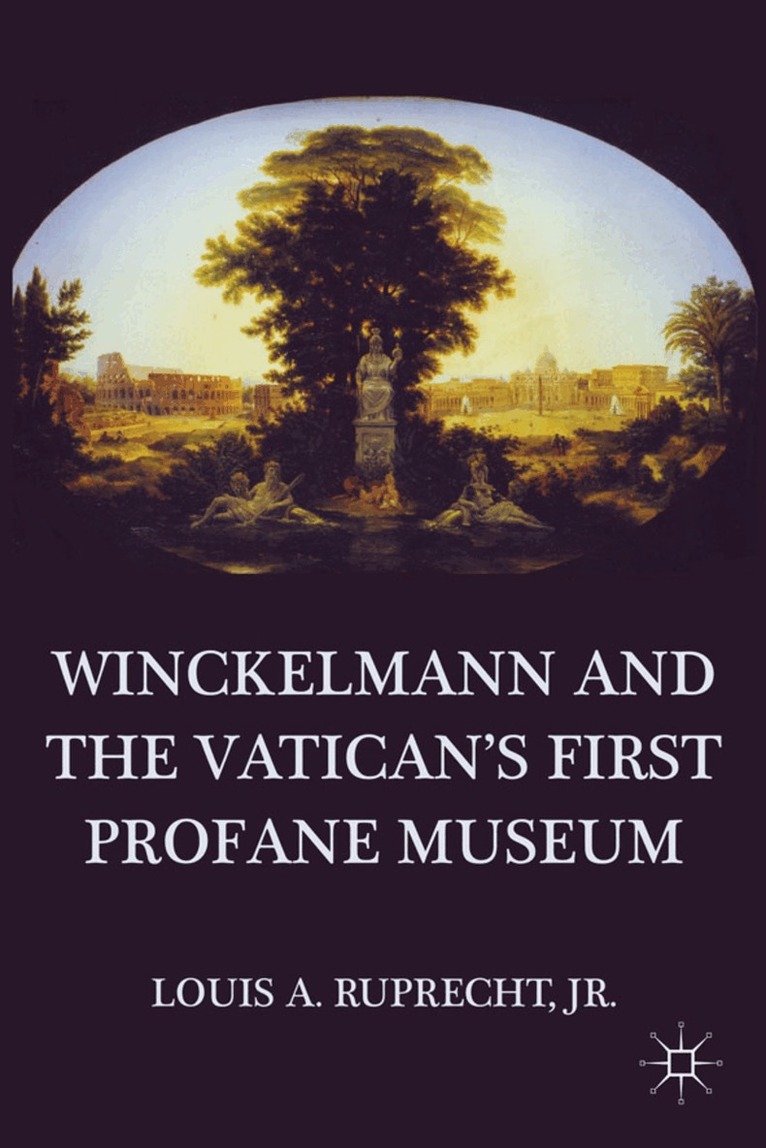
Winckelmann and the Vatican's First Profane Museum
Av L. Ruprecht
Inbunden, 2011
1093 kr
Lägg i varukorg
Offers the first-ever historical descriptions of the foundation of the "Museo Profano" inside the Vatican in 1761. Using the palace records from the Vatican's Secret Archives, Ruprecht demonstrates that the Vatican museum was the brainchild of J.J. Winckelmann, the so-called father of Art History.
Was Greek Thought Religious?
On the Use and Abuse of Hellenism, from Rome to Romanticism
Av L. Ruprecht
Inbunden, 2002
550 kr
Lägg i varukorg
The Greeks are on trial. They have been for generations, if not millennia, from Rome in the First century, to Romanticism in the Nineteenth. We debate the place of the Greeks in the university curriculum, in New World culture - we even debate the place of the Greeks in the European Union. This book …
Was Greek Thought Religious?
On the Use and Abuse of Hellenism, from Rome to Romanticism
Av L. Ruprecht
Häftad, 2002
550 kr
Lägg i varukorg
The Greeks are on trial. They have been for generations, if not millennia, from Rome in the First century, to Romanticism in the Nineteenth. We debate the place of the Greeks in the university curriculum, in New World culture - we even debate the place of the Greeks in the European Union. This book …
Was Greek Thought Religious?
On the Use and Abuse of Hellenism, from Rome to Romanticism
Av L. Ruprecht
E-bok, 2002
779 kr
Lägg i varukorg
The Greeks are on trial. They have been for generations, if not millennia, from Rome in the First century, to Romanticism in the Nineteenth. We debate the place of the Greeks in the university curriculum, in New World culture - we even debate the place of the Greeks in the European Union. This book …
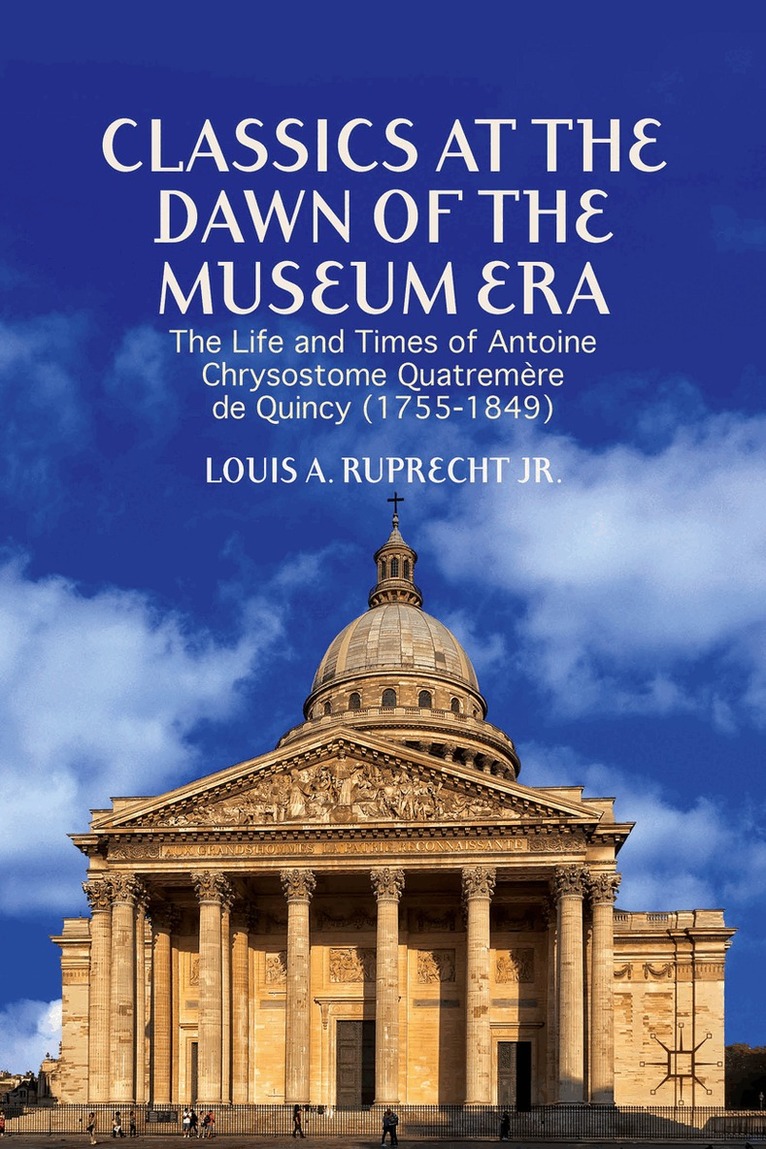
Classics at the Dawn of the Museum Era
The Life and Times of Antoine Chrysostome Quatremère de Quincy (1755-1849)
Av L. Ruprecht
Inbunden, 2014
1126 kr
Lägg i varukorg
Ruprecht hopes to show that Quatremère's true importance emerges only if we situate him in his own times, one generation after Winckelmann, in a very different, and a far more revolutionary and secularizing cultural moment.