Leila Salloum Elias – författare
Visar alla böcker från författaren . Handla med fri frakt och snabb leverans.
10 produkter
10 produkter
Häftad, Engelska, 2019
407 kr
Skickas inom 3-6 vardagar
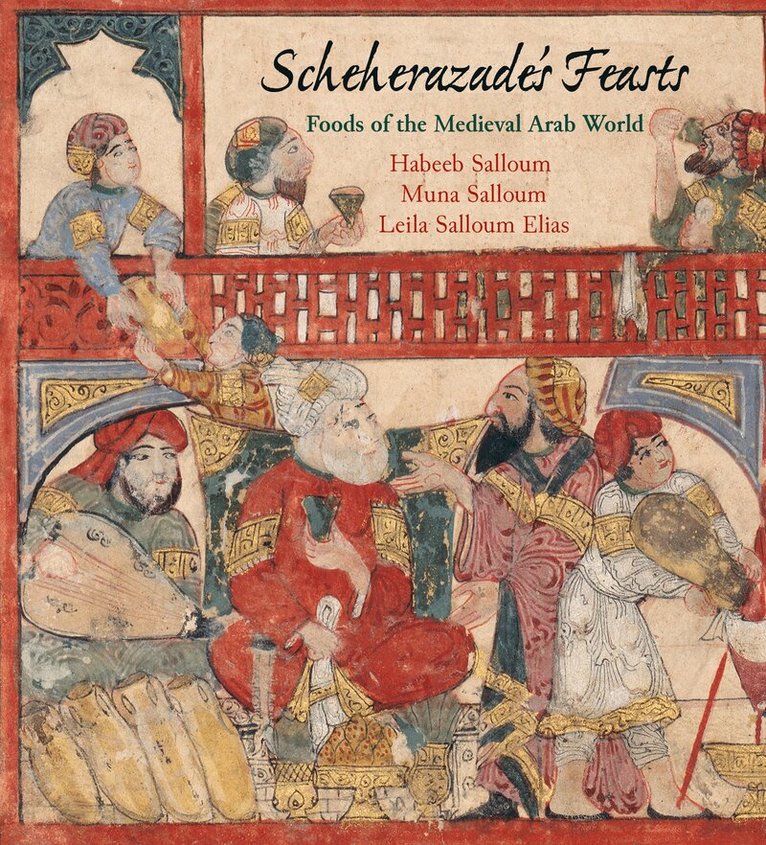
The author of the thirteenth-century Arabic cookbook Kitāb al-Ṭabīkh proposed that food was among the foremost pleasures in life. Scheherazade's Feasts invites adventurous cooks to test this hypothesis.From the seventh to the thirteenth centuries, the influence and power of the medieval Islamic world stretched from the Middle East to the Iberian Peninsula, and this Golden Age gave rise to great innovation in gastronomy no less than in science, philosophy, and literature. The medieval Arab culinary empire was vast and varied: with trade and conquest came riches, abundance, new ingredients, and new ideas. The emergence of a luxurious cuisine in this period inspired an extensive body of literature: poets penned lyrics to the beauty of asparagus or the aroma of crushed almonds; nobles documented the dining customs obliged by etiquette and opulence; manuals prescribed meal plans to deepen the pleasure of eating and curtail digestive distress.Drawn from this wealth of medieval Arabic writing, Scheherazade's Feasts presents more than a hundred recipes for the foods and beverages of a sophisticated and cosmopolitan empire. The recipes are translated from medieval sources and adapted for the modern cook, with replacements suggested for rare ingredients such as the first buds of the date tree or the fat rendered from the tail of a sheep. With the guidance of prolific cookbook writer Habeeb Salloum and his daughters, historians Leila and Muna, these recipes are easy to follow and deliciously appealing. The dishes are framed with verse inspired by them, culinary tips, and tales of the caliphs and kings whose courts demanded their royal preparation. To contextualize these selections, a richly researched introduction details the foodscape of the medieval Islamic world.
Inbunden, Engelska, 2013
1 138 kr
Skickas inom 5-8 vardagar
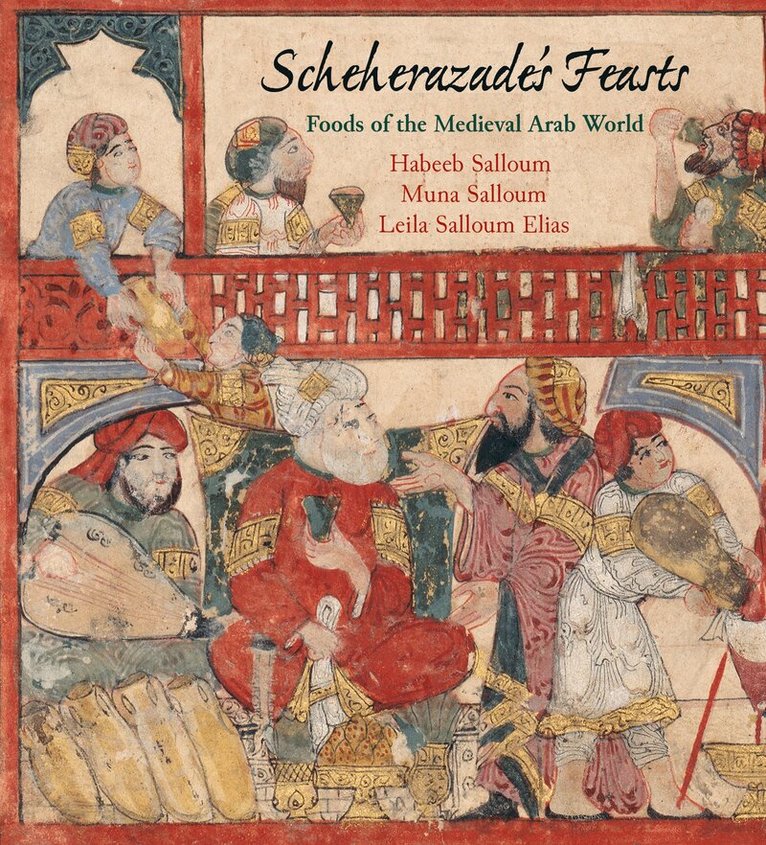
The author of the thirteenth-century Arabic cookbook Kitāb al-Ṭabīkh proposed that food was among the foremost pleasures in life. Scheherazade's Feasts invites adventurous cooks to test this hypothesis.From the seventh to the thirteenth centuries, the influence and power of the medieval Islamic world stretched from the Middle East to the Iberian Peninsula, and this Golden Age gave rise to great innovation in gastronomy no less than in science, philosophy, and literature. The medieval Arab culinary empire was vast and varied: with trade and conquest came riches, abundance, new ingredients, and new ideas. The emergence of a luxurious cuisine in this period inspired an extensive body of literature: poets penned lyrics to the beauty of asparagus or the aroma of crushed almonds; nobles documented the dining customs obliged by etiquette and opulence; manuals prescribed meal plans to deepen the pleasure of eating and curtail digestive distress.Drawn from this wealth of medieval Arabic writing, Scheherazade's Feasts presents more than a hundred recipes for the foods and beverages of a sophisticated and cosmopolitan empire. The recipes are translated from medieval sources and adapted for the modern cook, with replacements suggested for rare ingredients such as the first buds of the date tree or the fat rendered from the tail of a sheep. With the guidance of prolific cookbook writer Habeeb Salloum and his daughters, historians Leila and Muna, these recipes are easy to follow and deliciously appealing. The dishes are framed with verse inspired by them, culinary tips, and tales of the caliphs and kings whose courts demanded their royal preparation. To contextualize these selections, a richly researched introduction details the foodscape of the medieval Islamic world.
E-bok
PDF, Engelska, 2013739 kr
Läs direkt efter köp
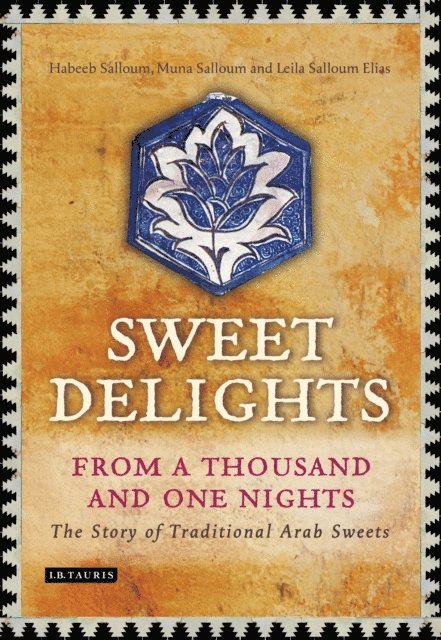
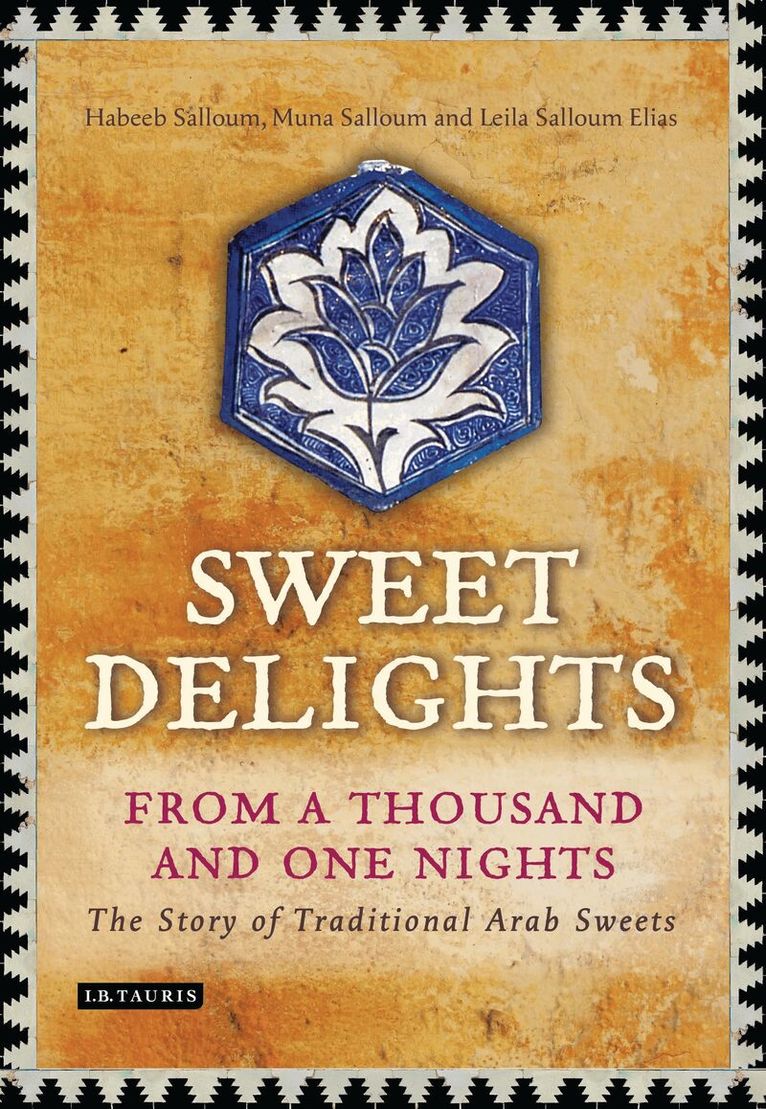
Which dessert is named after the heroic third-century Queen Zenobia of Palmyra? Which luscious rice pudding shares its name with the eighth-century Abbasid Caliph al-Ma'mun? How does one make the perfect Baqlawah? Blending cookery with culture and recipes with history, this is the fascinating and delectable story of traditional Arab sweets. The authors here take us on a culinary journey across Iraq, Syria, Egypt and al-Andalus, presenting readers with clear and easy-to-recreate recipes from across the medieval Arab world. Filling the tables of caliphs and noblemen, these sumptuous desserts of saffron and rose water conjure the opulence and grandeur of the medieval Islamic world. Bringing together tenth- to fourteenth-century Arabic texts, the authors retrace the history of these sweet dishes, reviving the original recipes and following their development and influence over the centuries into non-Arabic speaking lands. Honey, dates, figs and pomegranates are just a few ingredients featured in this exquisite selection of mouth-watering desserts which have been modernised for cooks to try at home, all woven together with medieval poems and stories.From delicious pastries, filled with pistachios and fragrant syrups, to luscious puddings, biscuits, and pies, it is the ideal addition to any kitchen. A unique insight into Middle Eastern culinary history, this book is a must-have for anyone with a sweet tooth.
E-bok
Engelska, 2013739 kr
Läs direkt efter köp
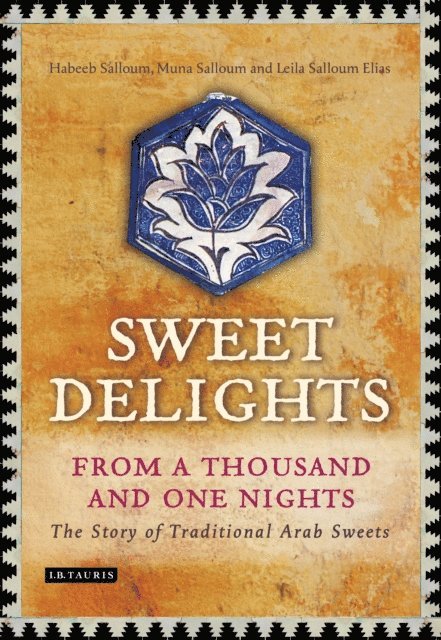
Which dessert is named after the heroic third-century Queen Zenobia of Palmyra? Which luscious rice pudding shares its name with the eighth-century Abbasid Caliph al-Ma'mun? How does one make the perfect Baqlawah? Blending cookery with culture and recipes with history, this is the fascinating and delectable story of traditional Arab sweets. The authors here take us on a culinary journey across Iraq, Syria, Egypt and al-Andalus, presenting readers with clear and easy-to-recreate recipes from across the medieval Arab world. Filling the tables of caliphs and noblemen, these sumptuous desserts of saffron and rose water conjure the opulence and grandeur of the medieval Islamic world. Bringing together tenth- to fourteenth-century Arabic texts, the authors retrace the history of these sweet dishes, reviving the original recipes and following their development and influence over the centuries into non-Arabic speaking lands. Honey, dates, figs and pomegranates are just a few ingredients featured in this exquisite selection of mouth-watering desserts which have been modernised for cooks to try at home, all woven together with medieval poems and stories.From delicious pastries, filled with pistachios and fragrant syrups, to luscious puddings, biscuits, and pies, it is the ideal addition to any kitchen. A unique insight into Middle Eastern culinary history, this book is a must-have for anyone with a sweet tooth.
Inbunden, Engelska, 2011
190 kr
Skickas inom 5-8 vardagar
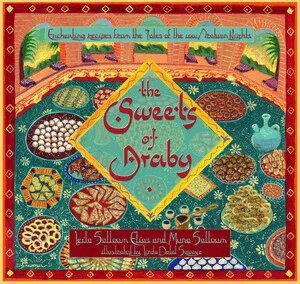
Centuries have passed since the time of the The 1001 Arabian Nights, but those classic tales, with their romance, passion, and vibrancy, continue to inspire and ignite imaginations . Within Scheherazade’s brilliant stories for her husband, King Shahryar, we learn of the vibrant life of Baghdad, Damascus, and Cairo in the 9th century as well as of certain key persons and how they functioned in society.Food—sweets, specifically—plays an important part in The 1001 Arabian Nights; it is currency, temptation, sustenance. Delicious sweets are the link between that historical work and this modern one. The Sweets of Araby offers us exotic treats and the translated tales they come from. Sisters Leila Salloum Elias and Muna Salloum worked with the ancient Arabic text of The 1001 Arabian Nights to find recipes and translate their stories, literally bringing back to life evocative stories with recipes transformed to suit modern kitchens and tastes. Beautifully illustrated with original paintings by Linda Dalal Sawaya, this delectable treasure belongs in every 21st-century kitchen.
Häftad, Engelska, 2024
282 kr
Skickas inom 3-6 vardagar
Inbunden, Engelska, 2024
221 kr
Skickas
Häftad, Engelska, 2019
331 kr
Skickas inom 5-8 vardagar
E-bok
Engelska, 2018178 kr
Läs direkt efter köp
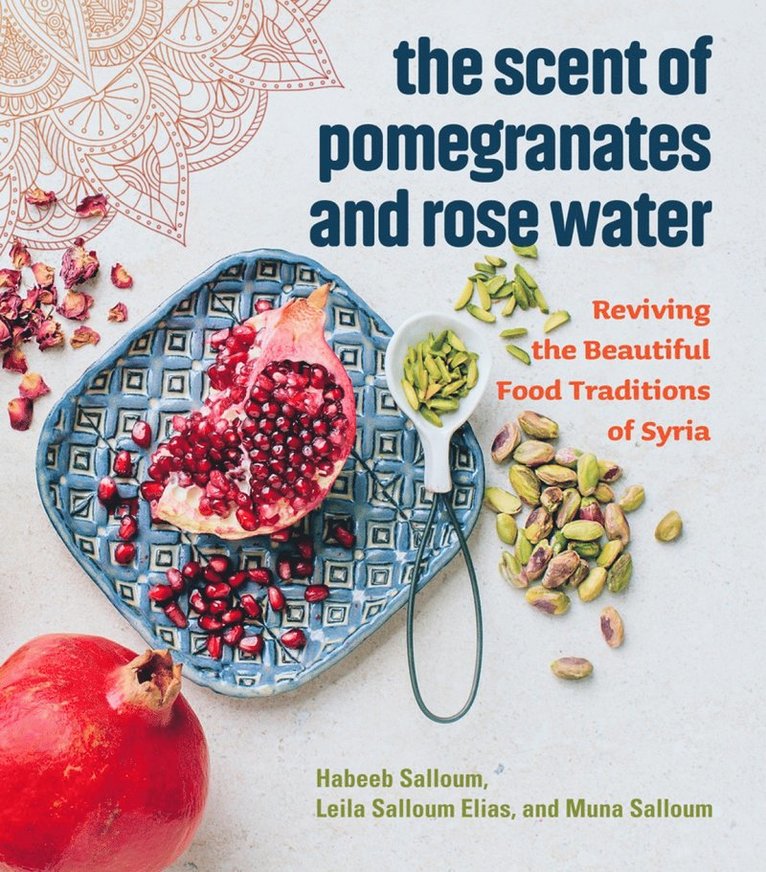
The traditions of Syrian cooking go back hundreds of years, and is notable for its sensory components, in which aroma and texture are as important as taste and nutrition. Over the centuries, the unique dishes of Greater Syria (bilaad al-shaam) were preserved by those who cooked them. For cooks in imperial households, family homes, or on simple peasant farms, recipes were handed down from generation to generation. Despite centuries of occupation, unrest, economic hardships, and political strife, the people of Greater Syria continued to cook their burghul, lentil, chickpeas, kishk, and yogurt dishes as if life around them never changed.Syrian-born Habeeb Salloum and his daughters Leila Salloum Elias and Muna Salloum have researched and explored the far reaches of Syrian cuisine for many years (and in Habeeb’s case, decades). Their resulting cookbook, Pomegranate and Rose Water, provides a succinct window into the dining tables of eighteenth and nineteenth-century Syria, featuring many delectable, heart-healthy recipes that have never before been published in English. The book also provides a poignant window into Syrian culture and everyday life then and now—bound together by ageless and truly beautiful food traditions. Includes 144 recipes; full-color throughout.
Inbunden, Engelska, 2013
663 kr
Skickas
Which dessert is named after the heroic third-century Queen Zenobia of Palmyra? Which luscious rice pudding shares its name with the eighth-century Abbasid Caliph al-Ma'mun? How does one make the perfect Baqlawah? Blending cookery with culture and recipes with history, this is the fascinating and delectable story of traditional Arab sweets. The authors here take us on a culinary journey across Iraq, Syria, Egypt and al-Andalus, presenting readers with clear and easy-to-recreate recipes from across the medieval Arab world. Filling the tables of caliphs and noblemen, these sumptuous desserts of saffron and rose water conjure the opulence and grandeur of the medieval Islamic world. Bringing together tenth- to fourteenth-century Arabic texts, the authors retrace the history of these sweet dishes, reviving the original recipes and following their development and influence over the centuries into non-Arabic speaking lands. Honey, dates, figs and pomegranates are just a few ingredients featured in this exquisite selection of mouth-watering desserts which have been modernised for cooks to try at home, all woven together with medieval poems and stories.From delicious pastries, filled with pistachios and fragrant syrups, to luscious puddings, biscuits, and pies, it is the ideal addition to any kitchen. A unique insight into Middle Eastern culinary history, this book is a must-have for anyone with a sweet tooth.