Lillian C. Black Wilkins - Böcker
Visar alla böcker från författaren Lillian C. Black Wilkins. Handla med fri frakt och snabb leverans.
2 produkter
2 produkter
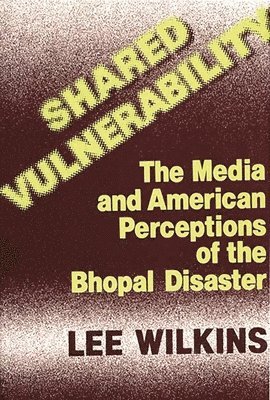
Shared Vulnerability
The Media and American Perceptions of the Bhopal Disaster
Inbunden, Engelska, 1987
1 039 kr
Skickas inom 10-15 vardagar
This book chronicles the American media's coverage of the 1984 chemical spill in Bhopal, India, and its aftermath in the US. It explains how the press reported about Bhopal and examines journalism's subsequent influence on public perceptions about technological safety. . . . It is an excellent addition to university collections in science writing, journalism criticism, and mass media research and should be useful to undergraduates at all levels. ChoiceMore than two years after the Bhopal disaster, fatalities and illnesses in this central Indian city continue to be reported by U.S. media. Litigation involving Union Carbide still makes the front page. In this new book, Professor Wilkins offers a unique case study of news accounts of the worst industrial accident in history, combining a detailed review of media coverage with an analysis of public reaction to those reports.
1 009 kr
Skickas inom 10-15 vardagar
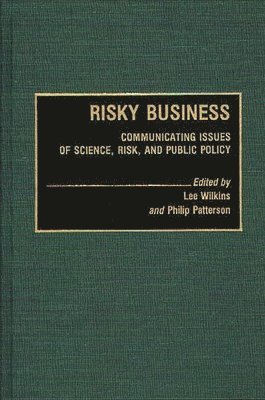
The fifteen chapters in this volume deal with science, medicine, technology, disaster, and hazard coverage by the media from the perspectives of sociology, psychology, philosophy, and journalism. Written for the active reader who is concerned about the issues and willing to begin the work necessary to bring about change, the volume suggests ways in which journalists, policy makers, and citizens can work to correct some of the more pervasive problems of media coverage of science. In her foreword, Dorothy Nelkin examines the images of science and technology that are conveyed through the media and discovers the dominant theme to be that of scientists as problem solvers, authorities, and the ultimate source of truth. Scientists are seen as pursuing an arcane activity that is both above normal human understanding and beyond criticism. Nelkin ends her overview by posing two questions that the succeeding chapters address: Why is science writing so uncritical of science, and why are scientists so critical of the press? The goal of the first segment of the book is the recognition that media coverage of science follows certain predictable patterns and that those patterns will not change unless journalists critically examine their work. The second half of the book looks at the decision making process involved in judgments about what and how to publicize and what to keep secret.Three early chapters provide a critique of the concept of risk communication, the one-way transmission of information about various risks in the environment from the expert, scientific community to the lay public. Media performance is the subject of three chapters that explore research on a diversity of topics, from the reporting of medicine and health to media coverage of disasters and natural disasters in both the United States and Japan. The influence of individuals who serve as sources and the mandates of professional norms are revealed as the two major factors in science reporting. The next two chapters address the issues of secrecy and disclosure focusing on airline and airport safety and media coverage of military science and technology. Chapter nine tackles the problem of media coverage of organ donations and transplants. Then using as a base an analysis of media coverage of the greenhouse effect in 1987 and 1988, editors Lee Wilkins and Philip Patterson explain when and how certain issues and events find a political symbol. Chapter eleven, Disasters and the Making of Political Careers, offers both analysis of the politics of disaster and advice for journalists and politicians about how they can and cannot expect to cope with disastrous events. In the final chapter, Wilkins and Patterson address Nelkin's original questions. These pages make important reading for journalists and other media specialists, politicians, policy makers, and members of the scientific community. This book is also an excellent choice for supplemental reading lists for courses in journalism and communications.