Lucas John Mix – författare
Visar alla böcker från författaren Lucas John Mix. Handla med fri frakt och snabb leverans.
7 produkter
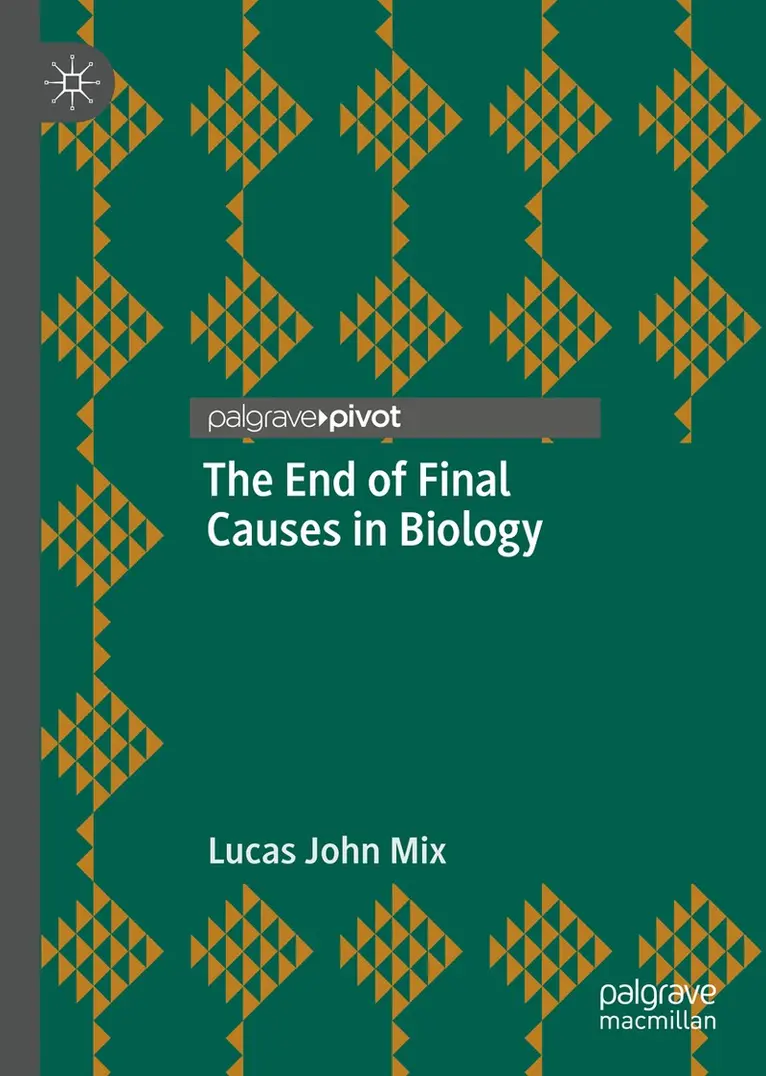
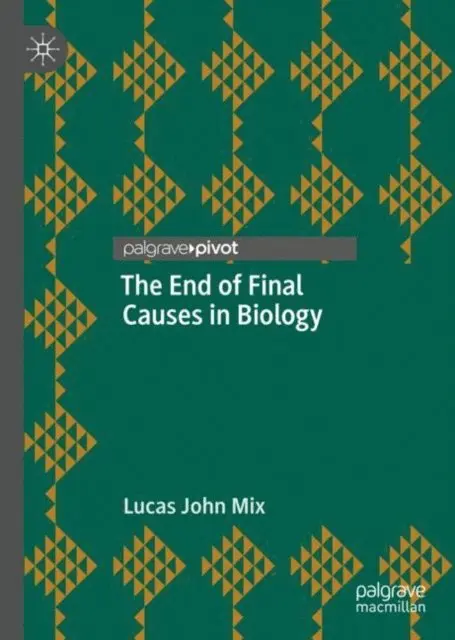
End of Final Causes in Biology
Inbunden, 2022
494 kr
Lägg i varukorg
This book provides a straightforward introduction to teleology in biology, the work it did and the work it can do. Informed by history and philosophy, it focuses on scientific concerns. Seventeenth, eighteenth, and nineteenth century biologists proposed a menagerie of biological “actors” to explain …
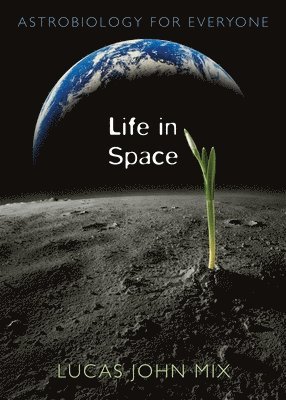
Life in Space
Astrobiology for Everyone
Inbunden, 2009
416 kr
Lägg i varukorg
Life is a property of the universe. We may not know how it began or where else it exists, but we have come to know a great deal about how it relates to stars, planets, and the larger cosmos. In clear and compelling terms, this book shows how the emerging field of astrobiology investigates the …
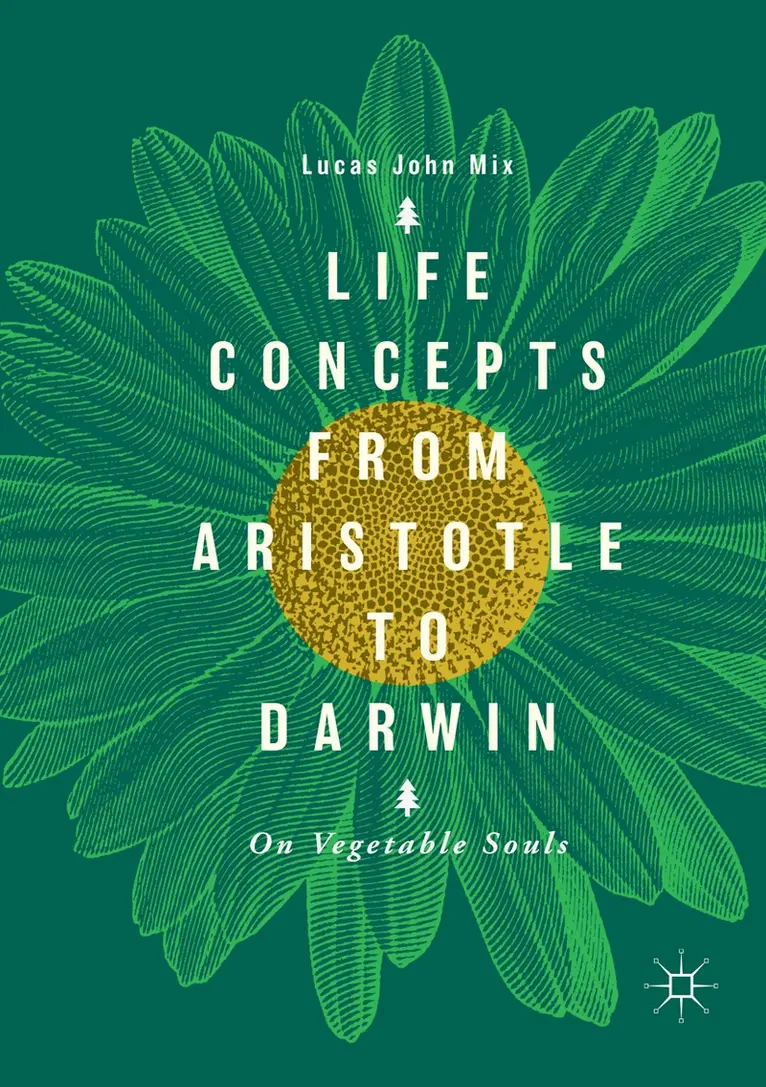
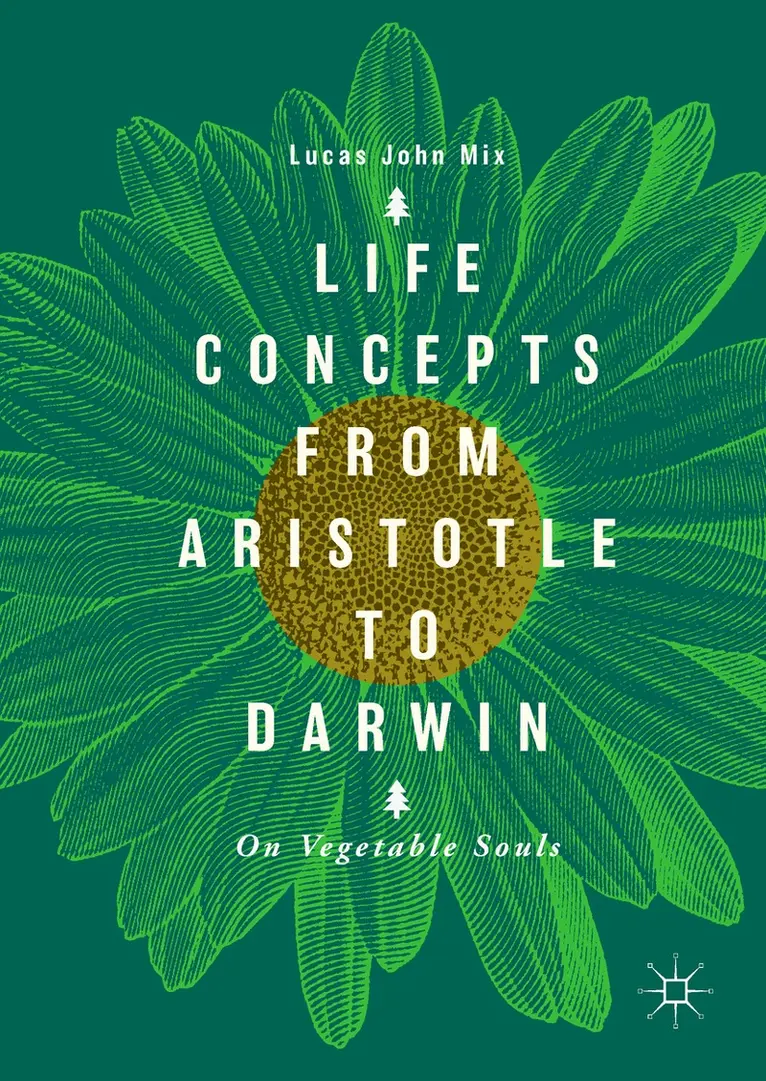
Life Concepts from Aristotle to Darwin
On Vegetable Souls
Häftad, 2019
624 kr
Lägg i varukorg
This book traces the history of life-concepts, with a focus on the vegetable souls of Aristotle, investigating how they were interpreted and eventually replaced by evolutionary biology. Philosophers have long struggled with the relationship between physics, physiology, and psychology, asking …
End of Final Causes in Biology
E-bok, 2022
652 kr
Lägg i varukorg
This book provides a straightforward introduction to teleology in biology, the work it did and the work it can do. Informed by history and philosophy, it focuses on scientific concerns. Seventeenth, eighteenth, and nineteenth century biologists proposed a menagerie of biological “actors” to explain …
Life Concepts from Aristotle to Darwin
On Vegetable Souls
Inbunden, 2018
873 kr
Lägg i varukorg
This book traces the history of life-concepts, with a focus on the vegetable souls of Aristotle, investigating how they were interpreted and eventually replaced by evolutionary biology. Philosophers have long struggled with the relationship between physics, physiology, and psychology, asking …
Life Concepts from Aristotle to Darwin
On Vegetable Souls
E-bok, 2018
815 kr
Lägg i varukorg
This book traces the history of life-concepts, with a focus on the vegetable souls of Aristotle, investigating how they were interpreted and eventually replaced by evolutionary biology. Philosophers have long struggled with the relationship between physics, physiology, and psychology, asking …