Lucian Leustean – författare
Visar alla böcker från författaren Lucian Leustean. Handla med fri frakt och snabb leverans.
6 produkter
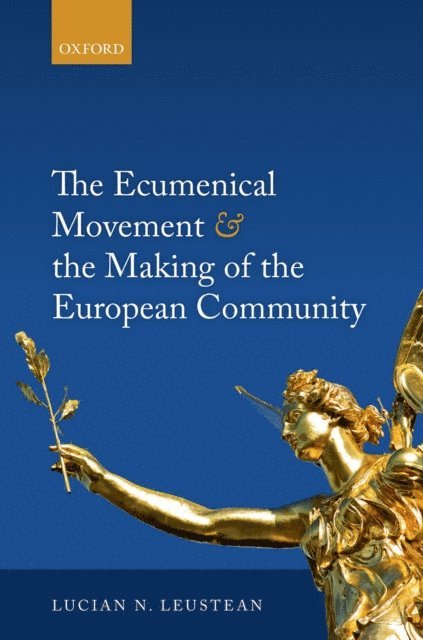
Ecumenical Movement & the Making of the European Community
E-bok, 2014
1448 kr
Lägg i varukorg
The European Community has largely been considered a predominantly secular project, bringing together the economic and political realms, while failing to mobilise the public voice and imagination of churchmen and the faithful. Drawing on a wide range of archival sources, this is the first study to …
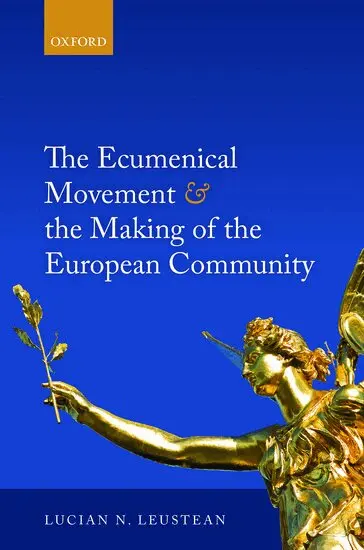
The Ecumenical Movement & the Making of the European Community
Inbunden, 2014
2265 kr
Lägg i varukorg
The European Community has largely been considered a predominantly secular project, bringing together the economic and political realms, while failing to mobilise the public voice and imagination of churchmen and the faithful. Drawing on a wide range of archival sources, this is the first study to …
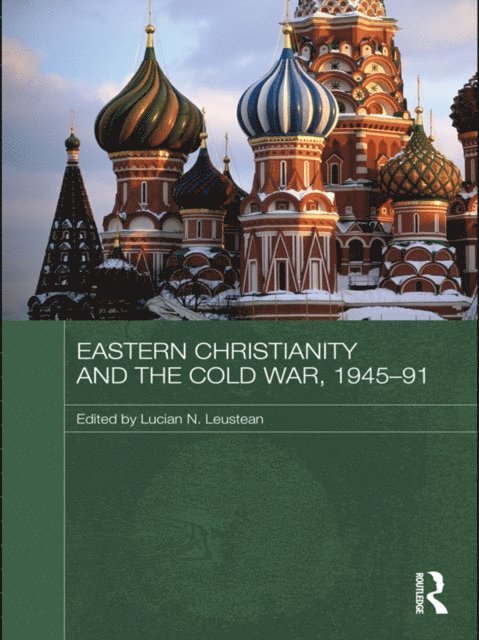
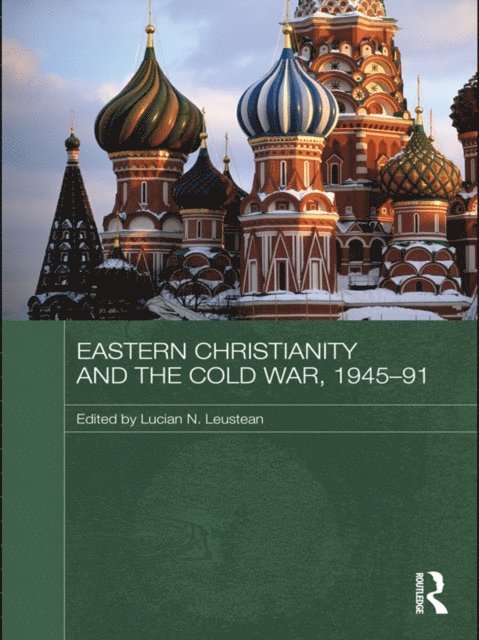
Eastern Christianity and the Cold War, 1945-91
Inbunden, 2009
2510 kr
Lägg i varukorg
Despite widespread persecution, Orthodox churches not only survived the Cold War period but levels of religiosity in Orthodox countries remained significant. This book examines the often surprising relations between Orthodox churches and political regimes. It provides a comprehensive overview of …
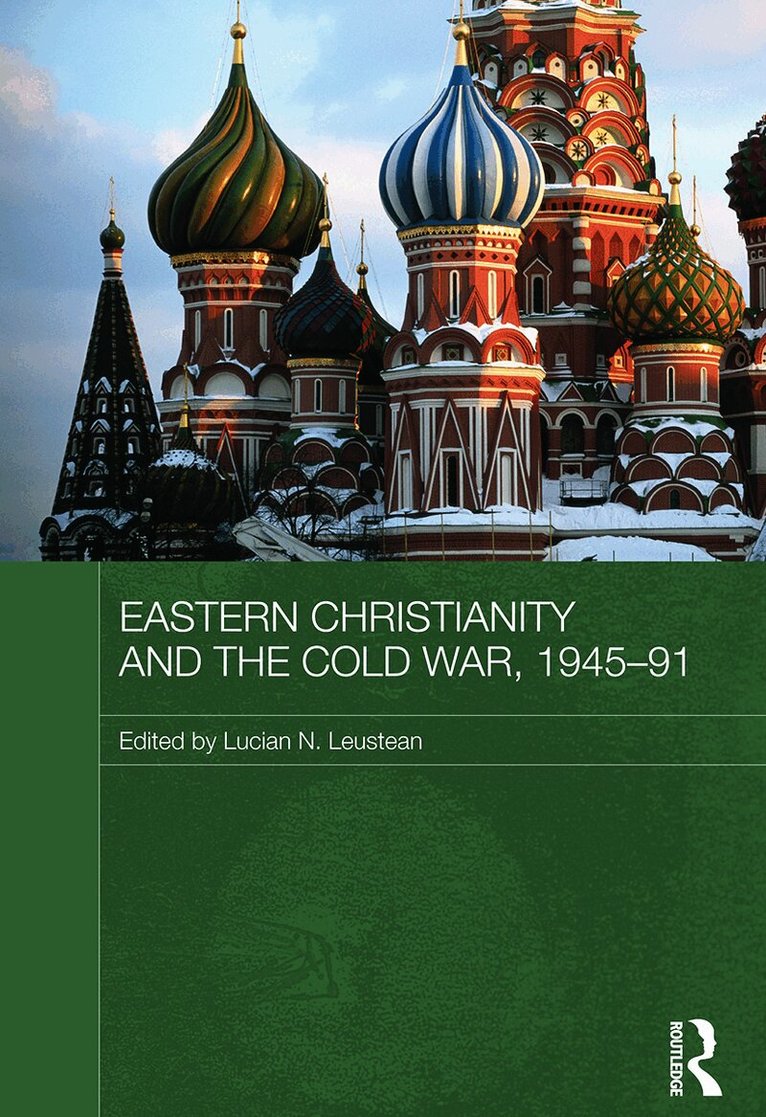
Eastern Christianity and the Cold War, 1945-91
Häftad, 2011
749 kr
Lägg i varukorg
Despite widespread persecution, Orthodox churches not only survived the Cold War period but levels of religiosity in Orthodox countries remained significant. This book examines the often surprising relations between Orthodox churches and political regimes. It provides a comprehensive overview of …
Eastern Christianity and the Cold War, 1945-91
E-bok, 2010
864 kr
Lägg i varukorg
Despite widespread persecution, Orthodox churches not only survived the Cold War period but levels of religiosity in Orthodox countries remained significant. This book examines the often surprising relations between Orthodox churches and political regimes. It provides a comprehensive overview of …
Eastern Christianity and the Cold War, 1945-91
E-bok, 2010
864 kr
Lägg i varukorg
Despite widespread persecution, Orthodox churches not only survived the Cold War period but levels of religiosity in Orthodox countries remained significant. This book examines the often surprising relations between Orthodox churches and political regimes. It provides a comprehensive overview of …