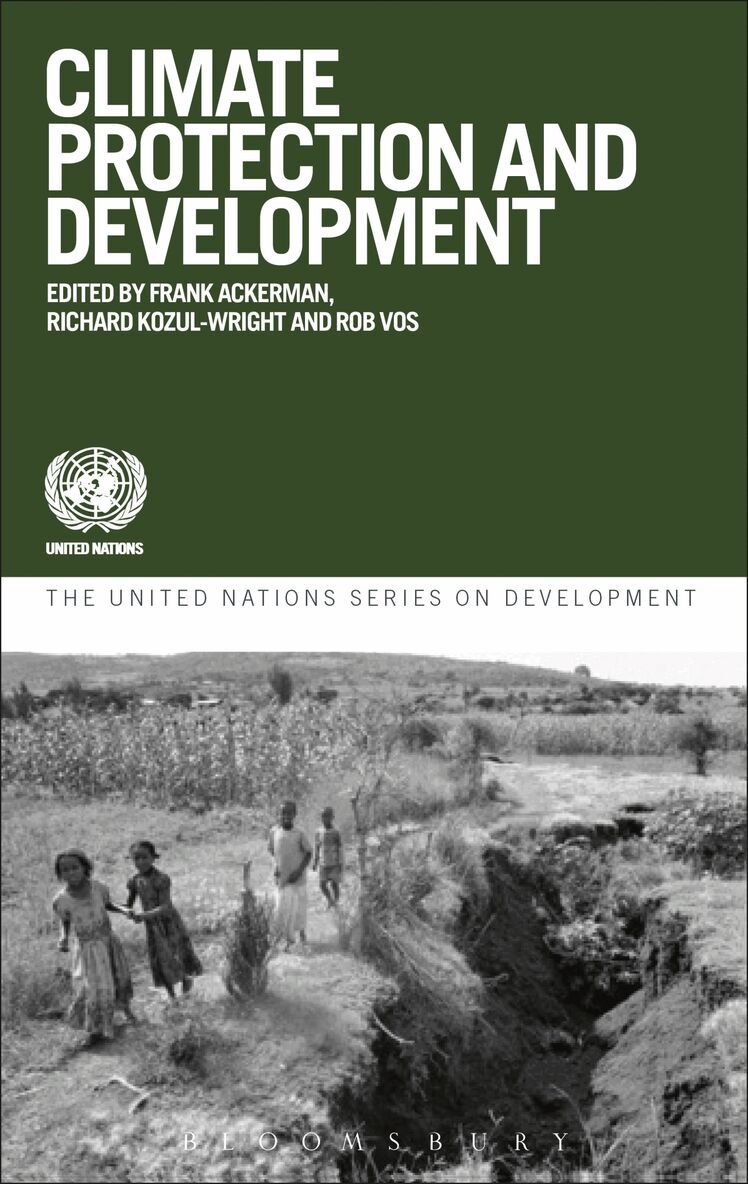
This book spells out, in more detail than usual, what can and should be done to avert the real risks of disaster. It summons us to an endeavour worthy of the resources and ingenuity of the 21st century, towards bold initiatives with big costs, and much bigger benefits. It explores the interconnected issues of climate and development, laying the groundwork for such a new deal. It presents a challenging agenda, and highlights the needs and perspectives of developing countries which may be unfamiliar or uncomfortable to readers in high-income countries. The unfortunate truth is that any large country, or group of mid-sized countries, can veto any global climate solution by refusing to participate, so a solution will only work if it works for everyone.
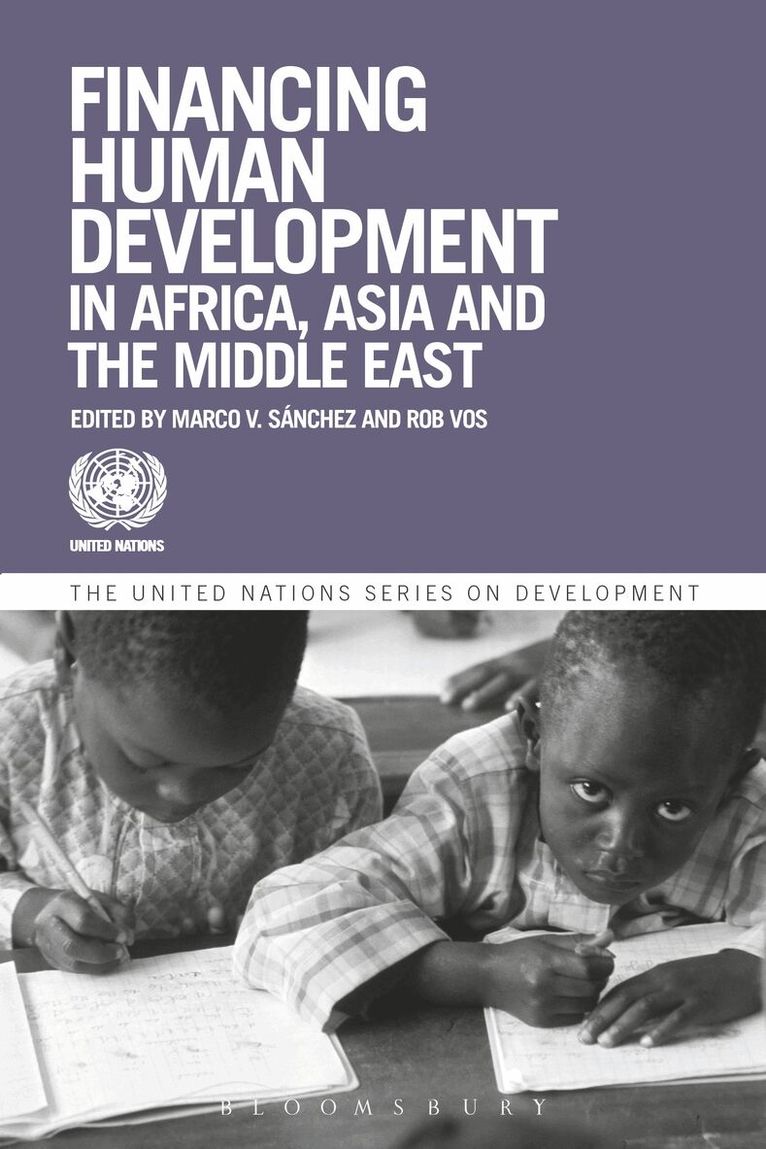
This book is available as open access through the Bloomsbury Open Access programme and is available on bloomsburycollections.com.How much would poor nations need to invest to eliminate poverty, get all children in school and provide adequate basic health care for all? Can they afford it? Financing Human Development in Africa, Asia and the Middle East provides some clear answers to these questions. The contributors assess feasible financing strategies underpinning actions to enhance human development in pursuance of the United Nations’ Millennium Development Goals (MDGs). The contributors analyse these strategies in the context of broader concerns of economic development in nine countries in Africa, Asia and the Middle East. The assessments stress the importance of redesigning macroeconomic policies so as to make these more supportive of long-term economic growth and employment creation, while ensuring sufficient investments in human development in order to end poverty and overcome deep-rooted inequalities.
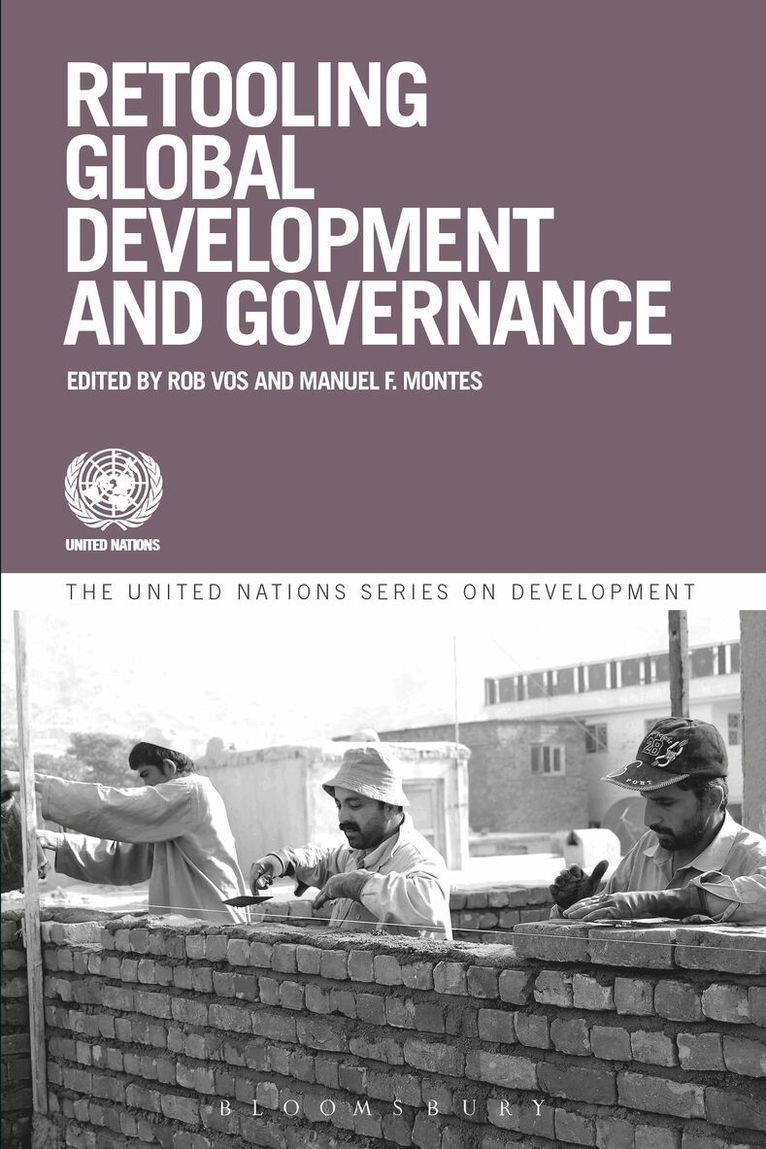
This book is available as open access through the Bloomsbury Open Access programme and is available on bloomsburycollections.com.In Retooling Global Development and Governance a team of UN experts debate new ideas about how to overcome deficiencies in the ongoing process of globalization and in the existing mechanisms for global economic governance. They do not claim to offer a blueprint, rather a set of ideas that could become the basis for a coherent "toolbox" designed to guide development policies and international cooperation.Promising directions for reform discussed in the book include:- Strengthening government capacities for formulating and implementing national development strategies- New strategies for ensuring that official development assistance is aligned with national priorities - Enhancing international trade and financial systems so that countries with limited capabilities can successfully integrate into the global economy- Creating new mechanisms for dealing with deficiencies, such as specialized multilateral frameworks through which to govern international migration and labour mobility, international financial regulation, multinational corporations and global value chains regulation and sovereign debt workouts. Above all, the book highlights the need for a strong mechanism for global economic coordination to establish coherence across all areas of global economic governance.
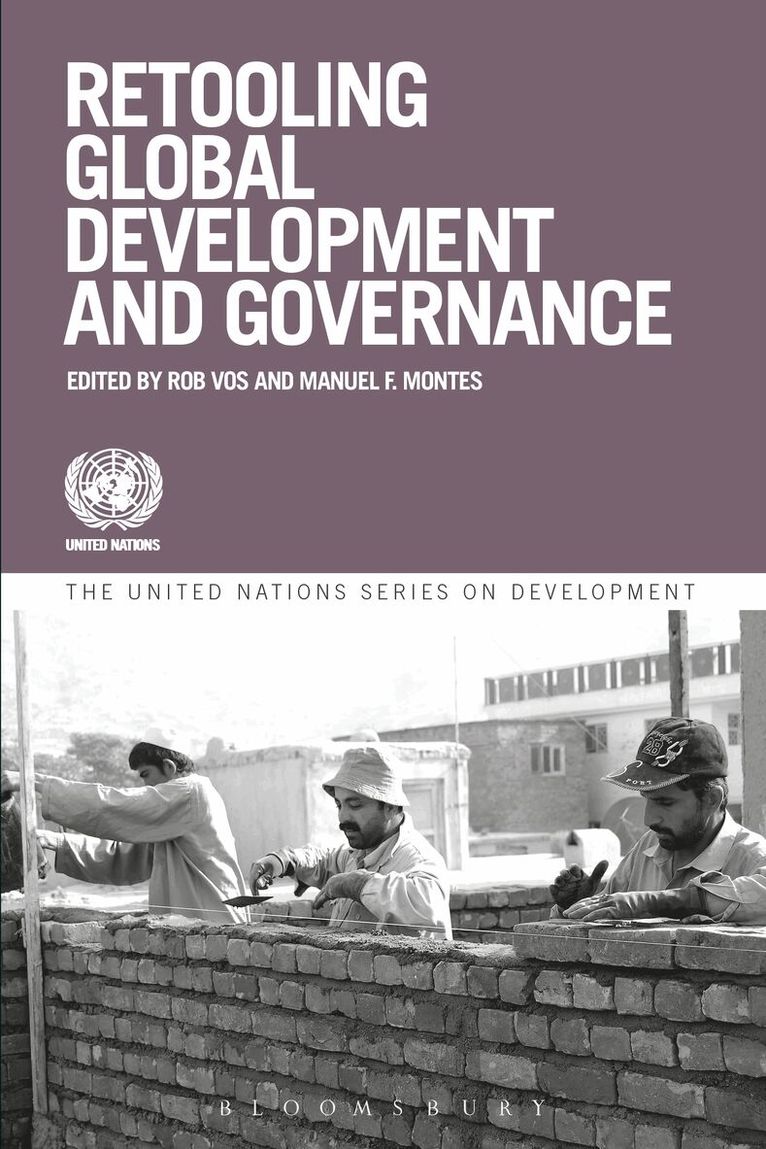
This book is available as open access through the Bloomsbury Open Access programme and is available on bloomsburycollections.com.In Retooling Global Development and Governance a team of UN experts debate new ideas about how to overcome deficiencies in the ongoing process of globalization and in the existing mechanisms for global economic governance. They do not claim to offer a blueprint, rather a set of ideas that could become the basis for a coherent "toolbox" designed to guide development policies and international cooperation. Promising directions for reform discussed in the book include: - Strengthening government capacities for formulating and implementing national development strategies - New strategies for ensuring that official development assistance is aligned with national priorities - Enhancing international trade and financial systems so that countries with limited capabilities can successfully integrate into the global economy- Creating new mechanisms for dealing with deficiencies, such as specialized multilateral frameworks through which to govern international migration and labour mobility, international financial regulation, multinational corporations and global value chains regulation and sovereign debt workouts. Above all, the book highlights the need for a strong mechanism for global economic coordination to establish coherence across all areas of global economic governance.
This book is available as open access through the Bloomsbury Open Access programme and is available on bloomsburycollections.com.This volume brings together new contributions from renowned academic scholars, from experts on economies in transition and from the United Nations, the European Union, the European Bank for Reconstruction and Development as well as other international agencies. It aims to answer fundamental questions and spell out policy options to address the challenges for economies in transition. The volume includes comparative studies focusing on all transition economies, including Central and Eastern Europe, as well as regions such as Western Balkans and the Commonwealth of Independent States.