Maria Manuela Calheiros – författare
Visar alla böcker från författaren Maria Manuela Calheiros. Handla med fri frakt och snabb leverans.
3 produkter
3 produkter
Inbunden, Engelska, 2016
1 060 kr
Skickas inom 10-15 vardagar
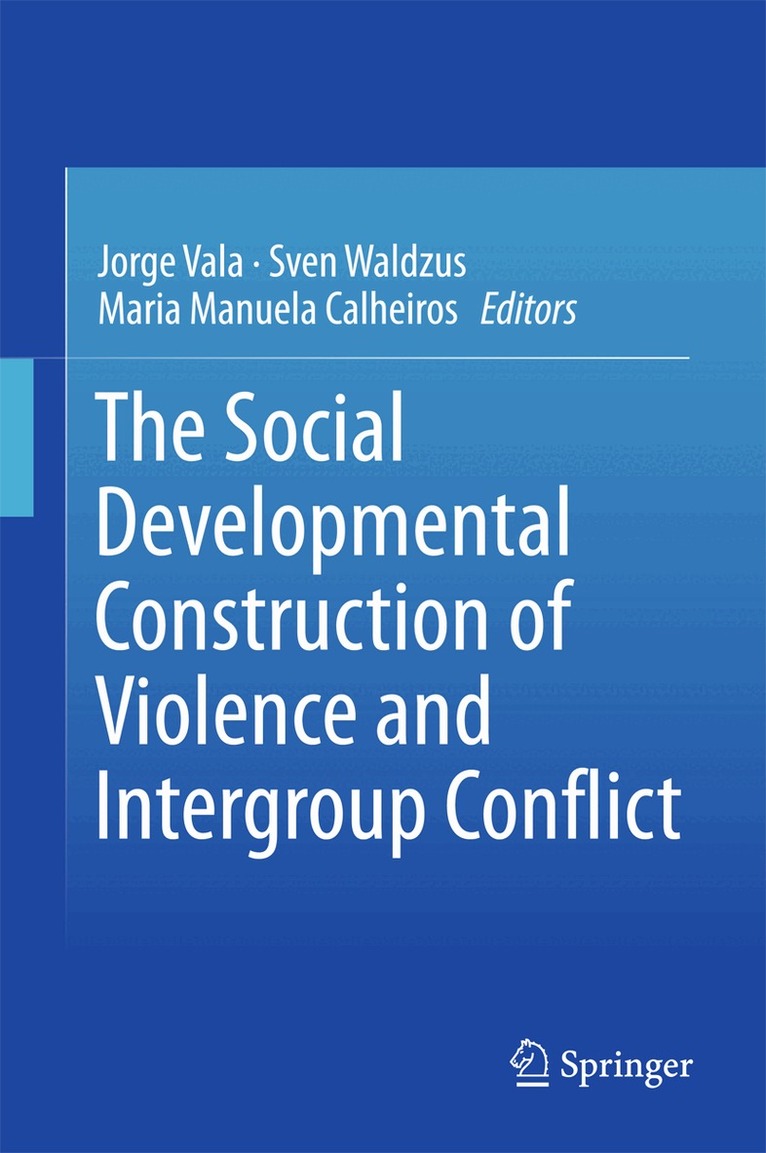
This book describes how the violent dimension of intergroup relations can be better understood if the interplay between psychological and social-developmental factors is taken into account. Ten unique, innovative and original chapters by international scholars of social and developmental psychology address the way how social reality is constructed as a hierarchical order, and how social norms, beliefs and cognitive-behavioral patterns are learned, shared and repeatedly processed on how to uphold or challenge this social order. The volume covers diverse issues such as the effects (or lack thereof) of power and violent video games on people’s thinking and behavior, the acquisition of social norms and attitudes during childhood, minorities’ identity management strategies, the role of mothers’ educational beliefs and the impact of ideologies. This volume is inspired by the oeuvre of Maria Benedicta Monteiro, emphasizing the psychogenetic and sociogenic diacronies that are too often neglected by the predominantly synchronic paradigm of social psychology. It is therefore an indispensable reading for researchers and advanced students in social, community and developmental psychology, for scientifically interested practitioners working with families, school contexts or intergroup conflict, and for everyone interested in the expanding field of the social developmental approaches to attitudes and behaviour.
E-bok
PDF, Engelska, 20161 420 kr
Läs direkt efter köp
This book describes how the violent dimension of intergroup relations can be better understood if the interplay between psychological and social-developmental factors is taken into account. Ten unique, innovative and original chapters by international scholars of social and developmental psychology address the way how social reality is constructed as a hierarchical order, and how social norms, beliefs and cognitive-behavioral patterns are learned, shared and repeatedly processed on how to uphold or challenge this social order. The volume covers diverse issues such as the effects (or lack thereof) of power and violent video games on people’s thinking and behavior, the acquisition of social norms and attitudes during childhood, minorities’ identity management strategies, the role of mothers’ educational beliefs and the impact of ideologies. This volume is inspired by the oeuvre of Maria Benedicta Monteiro, emphasizing the psychogenetic and sociogenic diacronies that are too often neglected by the predominantly synchronic paradigm of social psychology. It is therefore an indispensable reading for researchers and advanced students in social, community and developmental psychology, for scientifically interested practitioners working with families, school contexts or intergroup conflict, and for everyone interested in the expanding field of the social developmental approaches to attitudes and behaviour.
Häftad, Engelska, 2018
1 060 kr
Skickas inom 10-15 vardagar
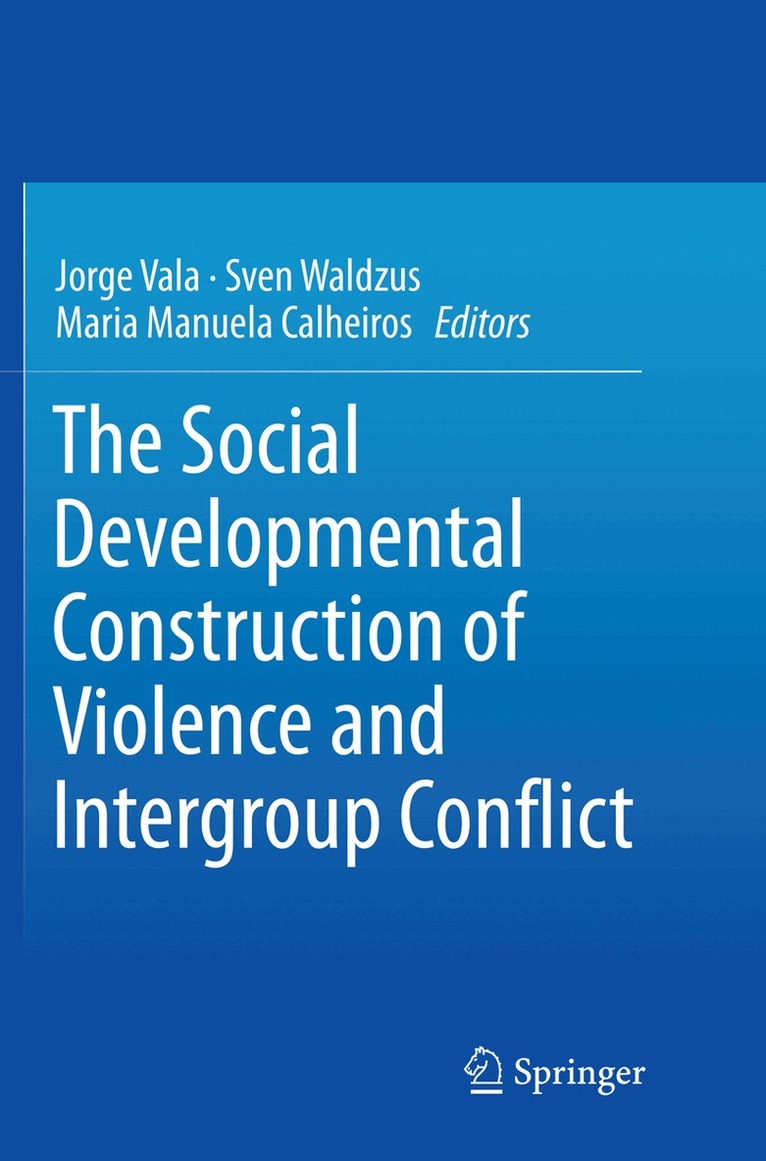
This book describes how the violent dimension of intergroup relations can be better understood if the interplay between psychological and social-developmental factors is taken into account. Ten unique, innovative and original chapters by international scholars of social and developmental psychology address the way how social reality is constructed as a hierarchical order, and how social norms, beliefs and cognitive-behavioral patterns are learned, shared and repeatedly processed on how to uphold or challenge this social order. The volume covers diverse issues such as the effects (or lack thereof) of power and violent video games on people’s thinking and behavior, the acquisition of social norms and attitudes during childhood, minorities’ identity management strategies, the role of mothers’ educational beliefs and the impact of ideologies. This volume is inspired by the oeuvre of Maria Benedicta Monteiro, emphasizing the psychogenetic and sociogenic diacronies that are too often neglected by the predominantly synchronic paradigm of social psychology. It is therefore an indispensable reading for researchers and advanced students in social, community and developmental psychology, for scientifically interested practitioners working with families, school contexts or intergroup conflict, and for everyone interested in the expanding field of the social developmental approaches to attitudes and behaviour.