Maria Teschler-Nicola – författare
Visar alla böcker från författaren Maria Teschler-Nicola. Handla med fri frakt och snabb leverans.
5 produkter
5 produkter
Inbunden, Engelska, 2006
2 239 kr
Skickas inom 10-15 vardagar
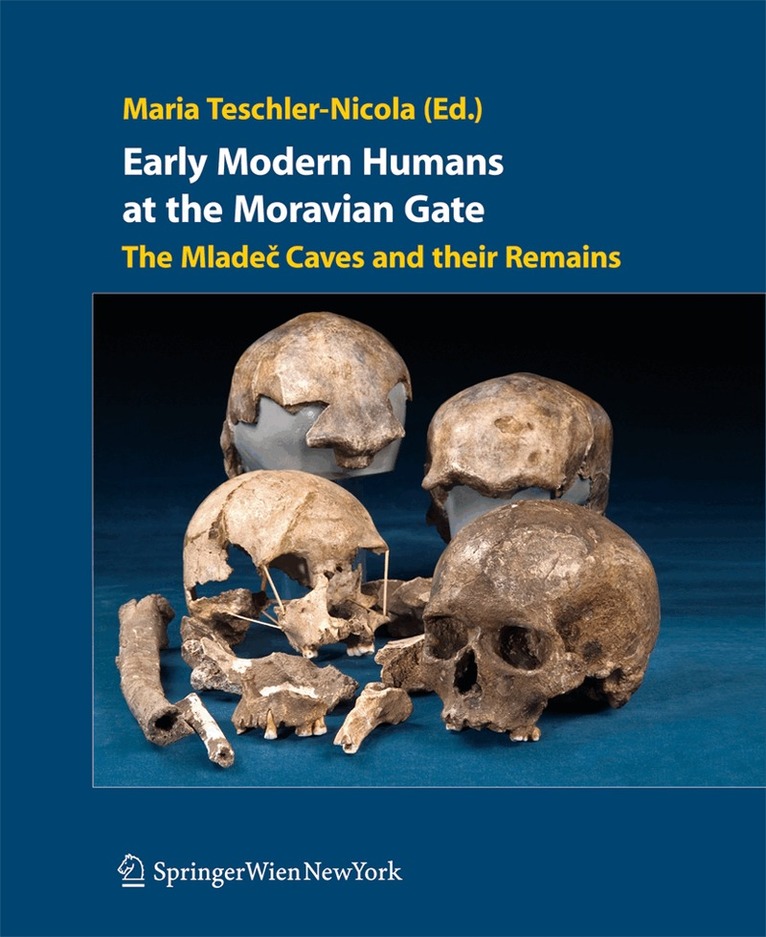
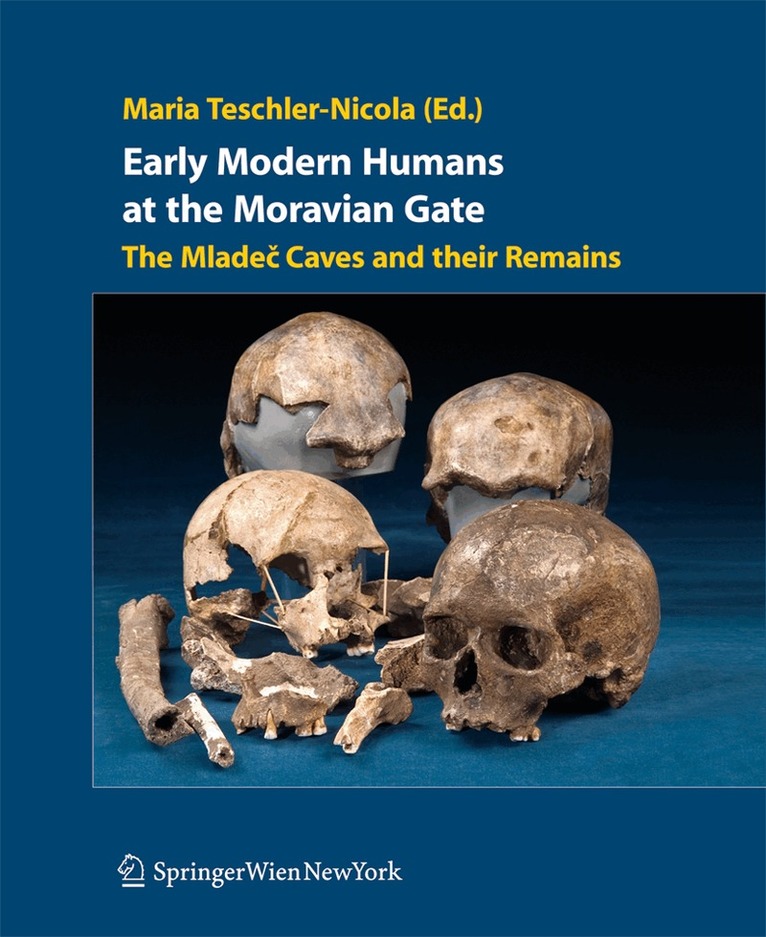
This beautifully illustrated monograph addresses - for the first time - the complete assemblage of the Mladec caves finds, including the human cranial, post cranial, teeth and jaw fragments of several individuals as well as faunal remains and archaeological objects. Leading scientists present their results, obtained with innovative techniques such as DNA analysis, 3D-morphometry and isotope analysis, which are of great importance for further discussions on both human evolution and archaeological issues.
E-bok
PDF, Engelska, 20072 848 kr
Läs direkt efter köp
This beautifully illustrated monograph addresses - for the first time - the complete assemblage of the Mladec caves finds, including the human cranial, post cranial, teeth and jaw fragments of several individuals as well as faunal remains and archaeological objects. Leading scientists present their results, obtained with innovative techniques such as DNA analysis, 3D-morphometry and isotope analysis, which are of great importance for further discussions on both human evolution and archaeological issues.
Häftad, Engelska, 2013
2 239 kr
Skickas inom 10-15 vardagar
This beautifully illustrated monograph addresses - for the first time - the complete assemblage of the Mladec caves finds, including the human cranial, post cranial, teeth and jaw fragments of several individuals as well as faunal remains and archaeological objects. Leading scientists present their results, obtained with innovative techniques such as DNA analysis, 3D-morphometry and isotope analysis, which are of great importance for further discussions on both human evolution and archaeological issues.
E-bok
PDF, Engelska, 20121 565 kr
Läs direkt efter köp
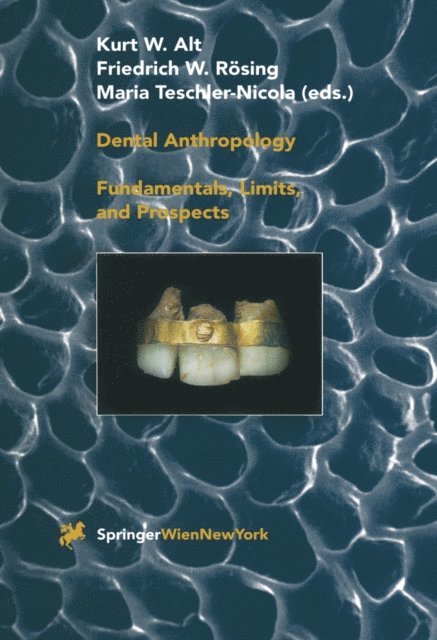
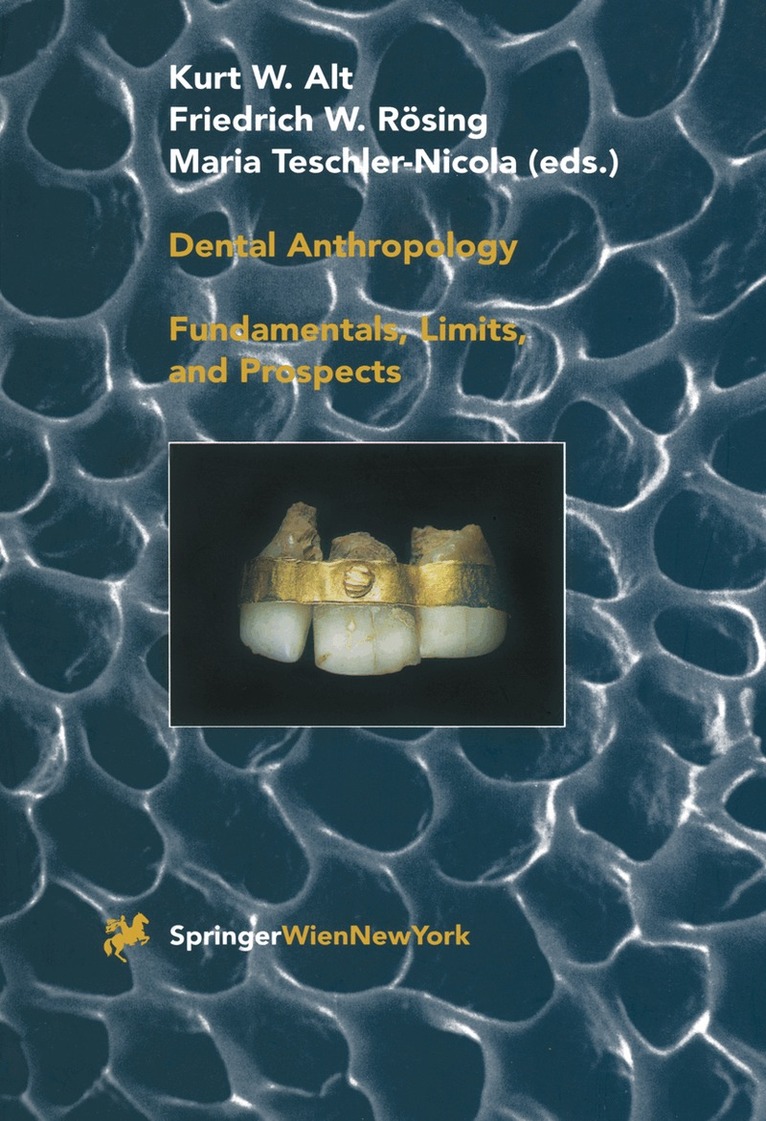
Shelley Saunders This book offers a welcome diversity of topics covering the broader subjects of teeth and the study of teeth by anthropologists. There is an impressive array of coverage here including the history of anthropological study of the teeth, morphology and structure, pathology and epidemiology, the relationship between nutrition, human behavior and the dentition, age and sex estimation from teeth, and geographic and genetic variation. Most chapter authors have provided thorough reviews of their subjects along with examples of recent analytical work and recommendations for future research. North American researchers should particularly appreciate the access to an extensive European literature cited in the individual chapter bibliographies. Physical anthropologists with even a passing interest in dental research should greet the publication of this book with pleasure since it adds to a growing list of books on how the study of teeth can tell us so much about past human populations. In addition to the archaeological applications, there is the forensic objective of dental anthropology which the editors refer to in their introduction which is dealt with in this volume. The chapters dealing with methods of sex determination, age estimation of juveniles and age estimation of adults using the teeth are exhaustive and exacting and of critical importance to both "osteoarchaeologists" and forensic anthropologists. Authors Liversidge, Herdeg and Rosing provide very clear guidelines for the use of dental formation standards in juvenile age estimation, recommendations that are so obviously necessary at this time.
Häftad, Engelska, 2011
1 235 kr
Skickas inom 10-15 vardagar
Shelley Saunders This book offers a welcome diversity of topics covering the broader subjects of teeth and the study of teeth by anthropologists. There is an impressive array of coverage here including the history of anthropological study of the teeth, morphology and structure, pathology and epidemiology, the relationship between nutrition, human behavior and the dentition, age and sex estimation from teeth, and geographic and genetic variation. Most chapter authors have provided thorough reviews of their subjects along with examples of recent analytical work and recommendations for future research. North American researchers should particularly appreciate the access to an extensive European literature cited in the individual chapter bibliographies. Physical anthropologists with even a passing interest in dental research should greet the publication of this book with pleasure since it adds to a growing list of books on how the study of teeth can tell us so much about past human populations. In addition to the archaeological applications, there is the forensic objective of dental anthropology which the editors refer to in their introduction which is dealt with in this volume. The chapters dealing with methods of sex determination, age estimation of juveniles and age estimation of adults using the teeth are exhaustive and exacting and of critical importance to both "osteoarchaeologists" and forensic anthropologists. Authors Liversidge, Herdeg and Rosing provide very clear guidelines for the use of dental formation standards in juvenile age estimation, recommendations that are so obviously necessary at this time.