Marit Grøtta – författare
Visar alla böcker från författaren Marit Grøtta. Handla med fri frakt och snabb leverans.
6 produkter
6 produkter
2 217 kr
Skickas inom 10-15 vardagar
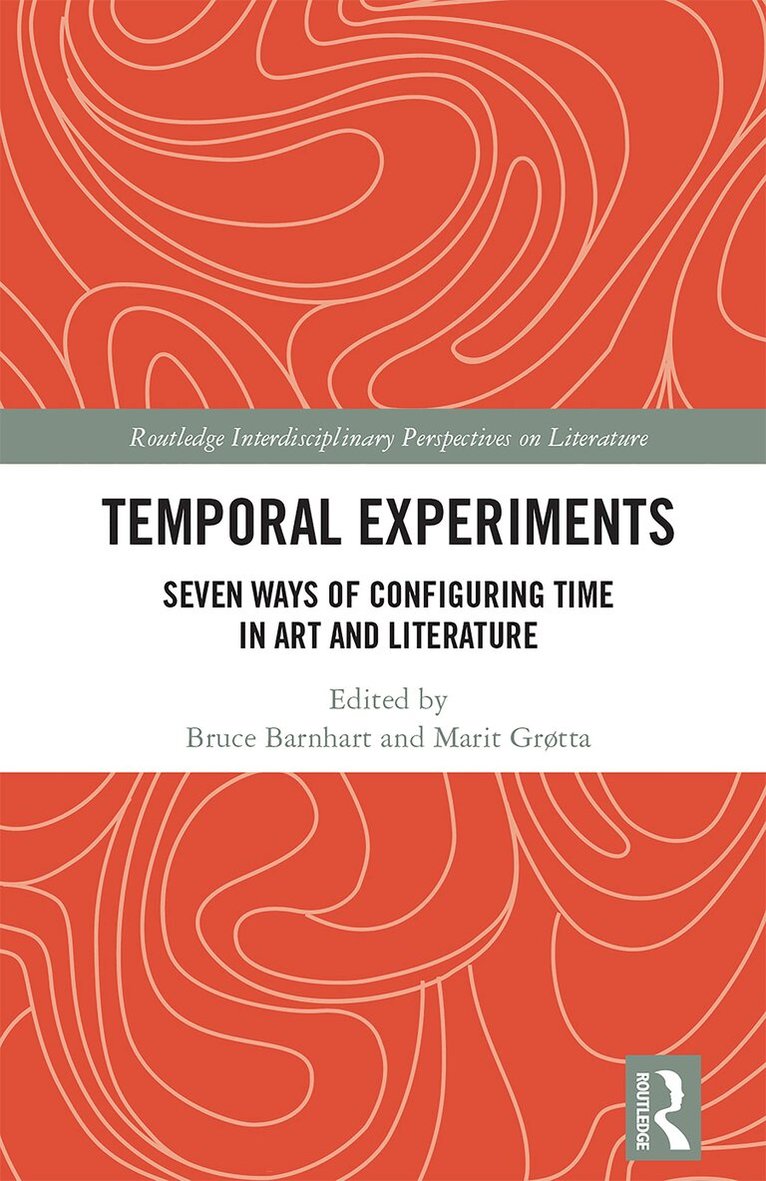
Temporal Experiments: Seven Ways of Configuring Time in Art and Literature conducts an expansive exploration of different modes of timing. Its seven chapters pursue the question of time as it is embodied in key figures that shape both aesthetic and pragmatic life. Working closely with literary, visual, and musical artworks, the book aims to provoke new ways of engaging with the question of time. It treats artworks as experiments that launch temporal figures, and that test out the possibilities and connections these different figures enable. Thus, the book seizes upon works by artists like Anne Carson, King Tubby, and Raymond Queneau as opportunities for thinking through the valence of both existing and untested temporal configurations. What other modes of shaping time, it asks, might be conjured out of the viewing of an Omer Fast film, the reading of a poem by Baudelaire, or of a novel by Tom McCarthy? In treating artworks as temporal experiments, this book stresses the fact that artworks always experiment with the raw materials of time, fashioning it or refashioning it into novel combinations. This book follows the imperatives of these experiments in order to advance a nuanced understanding of the way time insinuates itself into all aspects of social and intellectual life.
583 kr
Skickas inom 10-15 vardagar
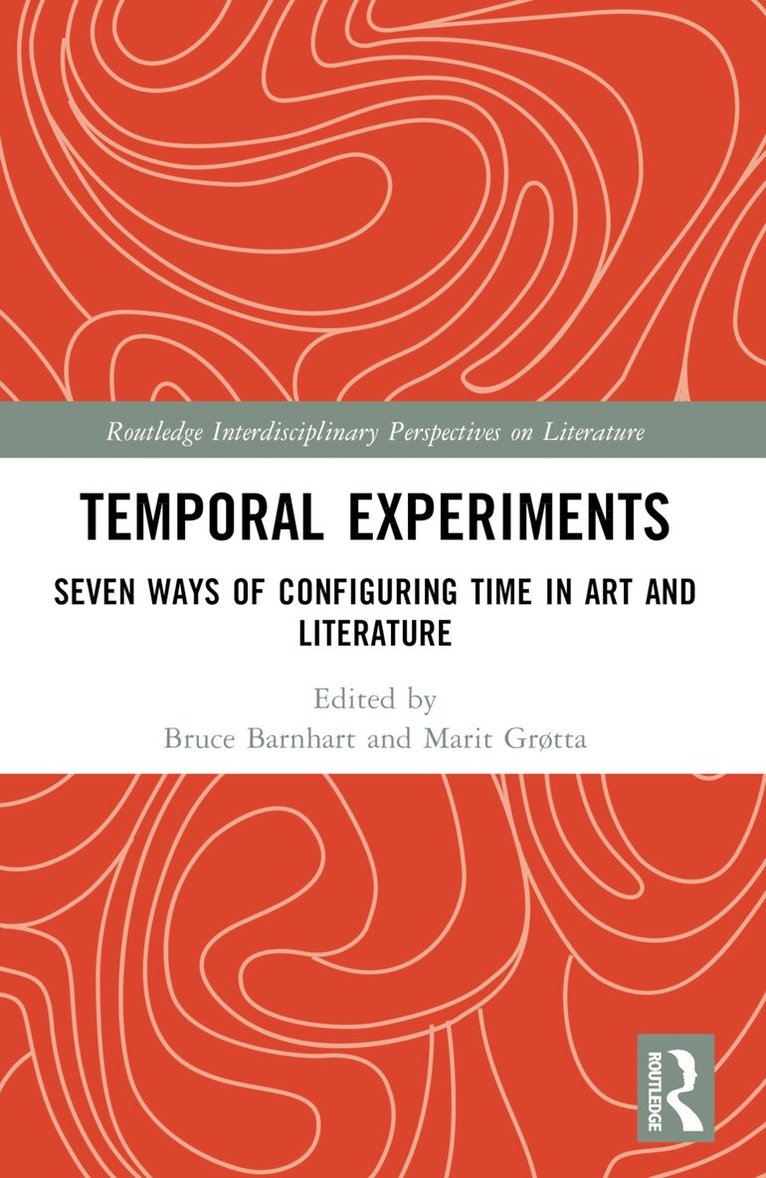
Temporal Experiments: Seven Ways of Configuring Time in Art and Literature conducts an expansive exploration of different modes of timing. Its seven chapters pursue the question of time as it is embodied in key figures that shape both aesthetic and pragmatic life. Working closely with literary, visual, and musical artworks, the book aims to provoke new ways of engaging with the question of time. It treats artworks as experiments that launch temporal figures, and that test out the possibilities and connections these different figures enable. Thus, the book seizes upon works by artists like Anne Carson, King Tubby, and Raymond Queneau as opportunities for thinking through the valence of both existing and untested temporal configurations. What other modes of shaping time, it asks, might be conjured out of the viewing of an Omer Fast film, the reading of a poem by Baudelaire, or of a novel by Tom McCarthy? In treating artworks as temporal experiments, this book stresses the fact that artworks always experiment with the raw materials of time, fashioning it or refashioning it into novel combinations. This book follows the imperatives of these experiments in order to advance a nuanced understanding of the way time insinuates itself into all aspects of social and intellectual life.
Reading Portrait Photographs in Proust, Kafka and Woolf
Modernism, Media and Emotion
Inbunden, Engelska, 2024
1 270 kr
Skickas
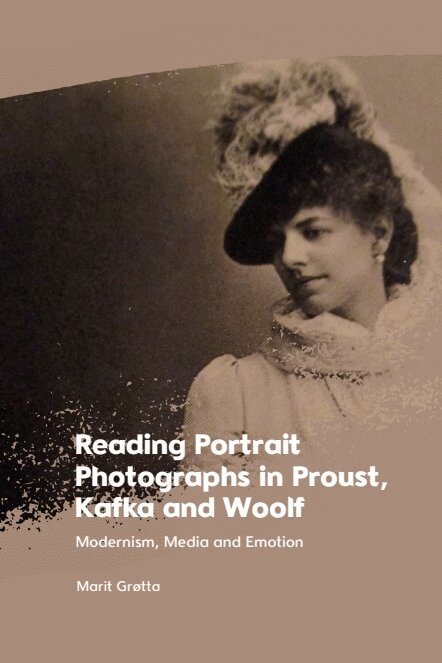
Portrait photography increased in popularity during the modernist period and offered new ways of seeing and understanding the human face. This book examines how portrait photographs appeared as literary motifs in the works of three modernist writers with personal experience of the medium: Marcel Proust, Franz Kafka and Virginia Woolf. Combining perspectives from literary, visual and media studies, Marit Grotta discusses these writers' ambivalent views on portrait photographs and the uncertain status of technical images in the early twentieth century more generally. In reconsidering the attention paid to analogue photographs in literature, this book throws light on both modernist reactions to portrait photography and on our relationships to photographs today.
Reading Portrait Photographs in Proust, Kafka and Woolf
Modernism, Media and Emotion
Häftad, Engelska, 2025
274 kr
Skickas
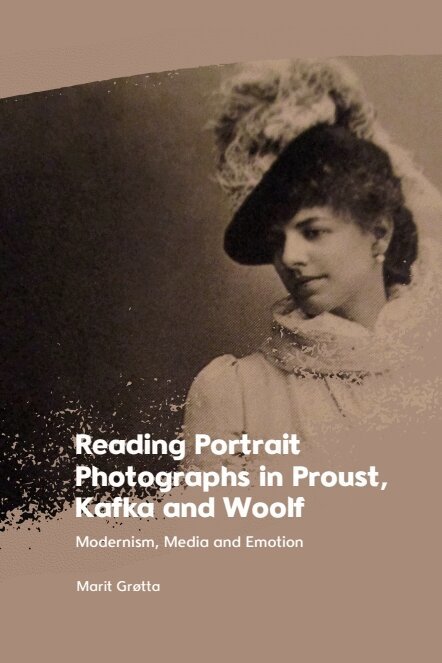
Portrait photography increased in popularity during the modernist period and offered new ways of seeing and understanding the human face. This book examines how portrait photographs appeared as literary motifs in the works of three modernist writers with personal experience of the medium: Marcel Proust, Franz Kafka and Virginia Woolf. Combining perspectives from literary, visual and media studies, Marit Grotta discusses these writers' ambivalent views on portrait photographs and the uncertain status of technical images in the early twentieth century more generally. In reconsidering the attention paid to analogue photographs in literature, this book throws light on both modernist reactions to portrait photography and on our relationships to photographs today.
614 kr
Skickas inom 10-15 vardagar
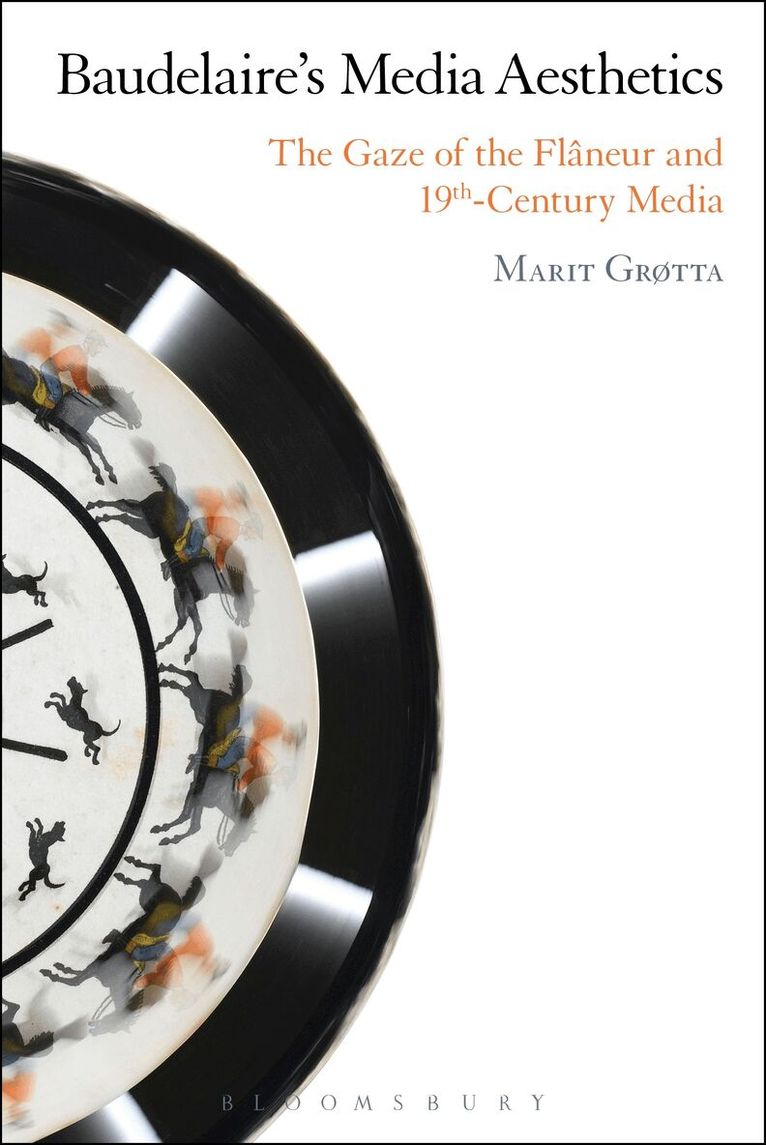
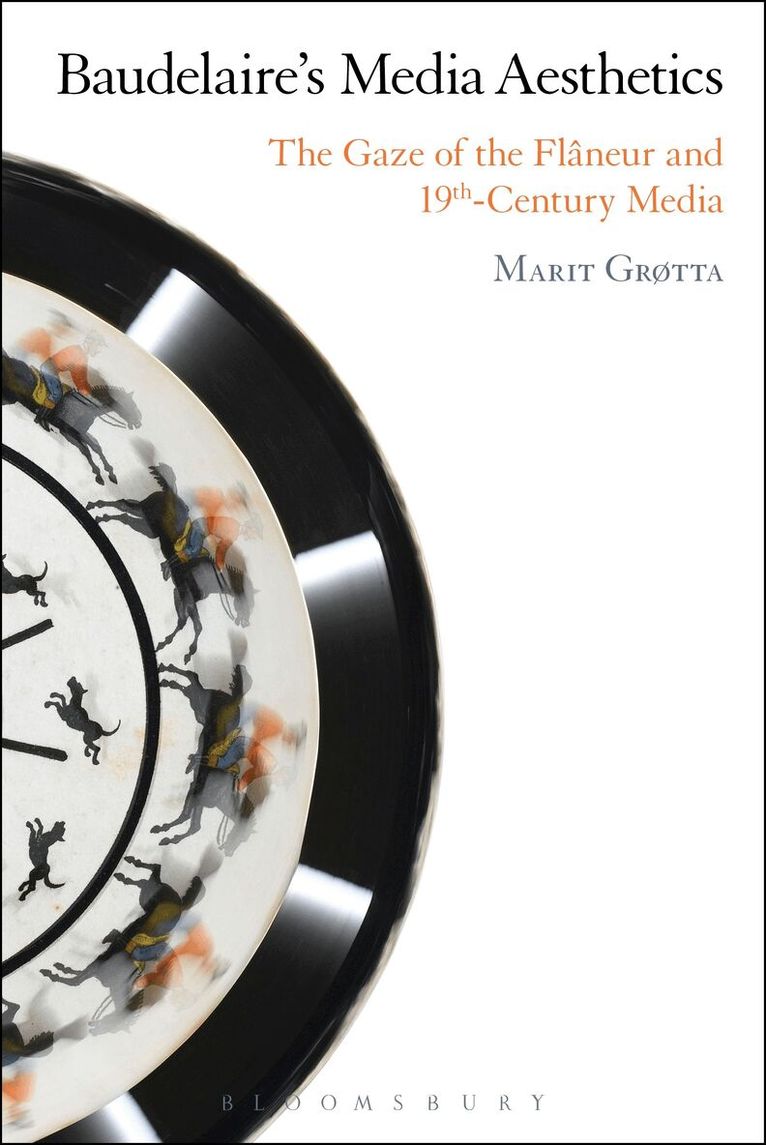
Baudelaire’s Media Aesthetics situates Charles Baudelaire in the midst of 19th-century media culture. It offers a thorough study of the role of newspapers, photography, and precinematic devices in Baudelaire’s writings, while also discussing the cultural history of these media generally. The book reveals that Baudelaire was not merely inspired by the new media, but that he played with them, using them as frames of perception and ways of experiencing the world. His writings demonstrate how different media respond to one another and how the conventions of one medium can be paraphrased in another medium. Accordingly, Baudelaire’s Media Aesthetics argues that Baudelaire should be seen merely as an advocate of “pure poetry,” but as a poet in a media saturated environment. It shows that mediation, montage, and movement are features that are central to Baudelaire’s aesthetics and that his modernist aesthetics can be conceived of, to a large degree, as a media aesthetics.Highlighting Baudelaire’s interaction with the media of his age, Baudelaire’s Media Aesthetics discusses the ways in which we respond to new media technology, drawing on perspectives from Walter Benjamin and Giorgio Agamben. Combining detailed research with contemporary theory, the book opens up new perspectives on Baudelaire’s writings, the figure of the flâneur, and modernist aesthetics.
2 027 kr
Skickas inom 10-15 vardagar
Baudelaire’s Media Aesthetics situates Charles Baudelaire in the midst of 19th-century media culture. It offers a thorough study of the role of newspapers, photography, and precinematic devices in Baudelaire’s writings, while also discussing the cultural history of these media generally. The book reveals that Baudelaire was not merely inspired by the new media, but that he played with them, using them as frames of perception and ways of experiencing the world. His writings demonstrate how different media respond to one another and how the conventions of one medium can be paraphrased in another medium. Accordingly, Baudelaire’s Media Aesthetics argues that Baudelaire should be seen merely as an advocate of “pure poetry,” but as a poet in a media saturated environment. It shows that mediation, montage, and movement are features that are central to Baudelaire’s aesthetics and that his modernist aesthetics can be conceived of, to a large degree, as a media aesthetics.Highlighting Baudelaire’s interaction with the media of his age, Baudelaire’s Media Aesthetics discusses the ways in which we respond to new media technology, drawing on perspectives from Walter Benjamin and Giorgio Agamben. Combining detailed research with contemporary theory, the book opens up new perspectives on Baudelaire’s writings, the figure of the flâneur, and modernist aesthetics.