Mark D. Shermis – författare
Visar alla böcker från författaren Mark D. Shermis. Handla med fri frakt och snabb leverans.
9 produkter
9 produkter
1 872 kr
Skickas inom 10-15 vardagar
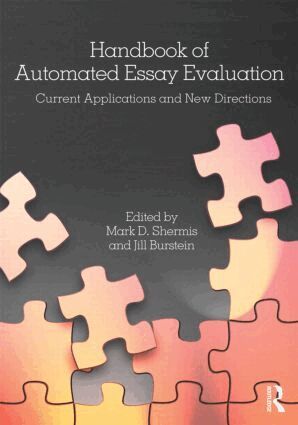
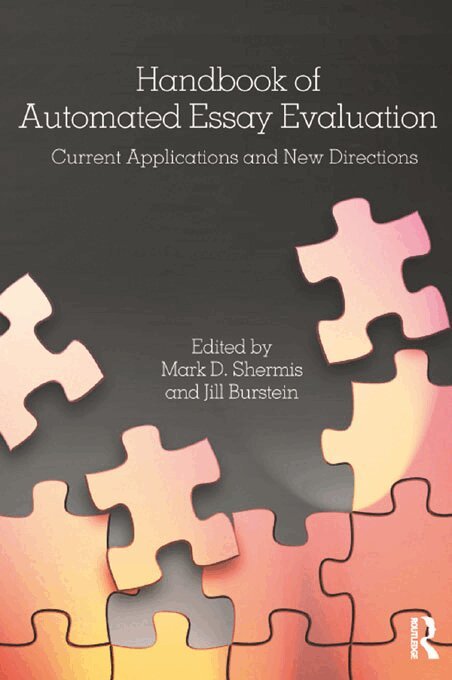
This comprehensive, interdisciplinary handbook reviews the latest methods and technologies used in automated essay evaluation (AEE) methods and technologies. Highlights include the latest in the evaluation of performance-based writing assessments and recent advances in the teaching of writing, language testing, cognitive psychology, and computational linguistics. This greatly expanded follow-up to Automated Essay Scoring reflects the numerous advances that have taken place in the field since 2003 including automated essay scoring and diagnostic feedback. Each chapter features a common structure including an introduction and a conclusion. Ideas for diagnostic and evaluative feedback are sprinkled throughout the book. Highlights of the book’s coverage include: The latest research on automated essay evaluation. Descriptions of the major scoring engines including the E-rater®, the Intelligent Essay Assessor, the Intellimetric™ Engine, c-rater™, and LightSIDE. Applications of the uses of the technology including a large scale system used in West Virginia. A systematic framework for evaluating research and technological results. Descriptions of AEE methods that can be replicated for languages other than English as seen in the example from China. Chapters from key researchers in the field.The book opens with an introduction to AEEs and a review of the "best practices" of teaching writing along with tips on the use of automated analysis in the classroom. Next the book highlights the capabilities and applications of several scoring engines including the E-rater®, the Intelligent Essay Assessor, the Intellimetric™ engine, c-rater™, and LightSIDE. Here readers will find an actual application of the use of an AEE in West Virginia, psychometric issues related to AEEs such as validity, reliability, and scaling, and the use of automated scoring to detect reader drift, grammatical errors, discourse coherence quality, and the impact of human rating on AEEs. A review of the cognitive foundations underlying methods used in AEE is also provided. The book concludes with a comparison of the various AEE systems and speculation about the future of the field in light of current educational policy.Ideal for educators, professionals, curriculum specialists, and administrators responsible for developing writing programs or distance learning curricula, those who teach using AEE technologies, policy makers, and researchers in education, writing, psychometrics, cognitive psychology, and computational linguistics, this book also serves as a reference for graduate courses on automated essay evaluation taught in education, computer science, language, linguistics, and cognitive psychology.
2 072 kr
Skickas inom 10-15 vardagar
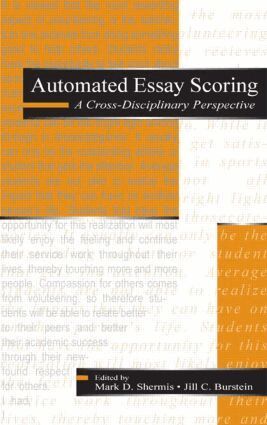
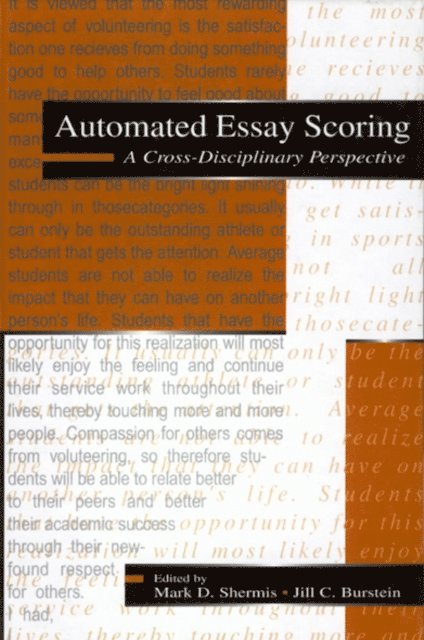
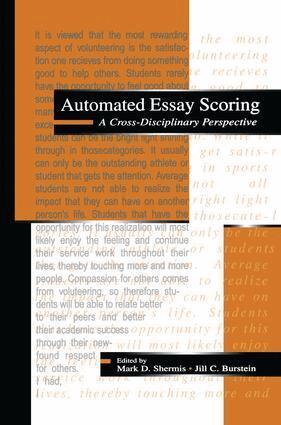
This new volume is the first to focus entirely on automated essay scoring and evaluation. It is intended to provide a comprehensive overview of the evolution and state-of-the-art of automated essay scoring and evaluation technology across several disciplines, including education, testing and measurement, cognitive science, computer science, and computational linguistics.The development of this technology has led to many questions and concerns. Automated Essay Scoring attempts to address some of these questions including:*How can automated scoring and evaluation supplement classroom instruction? *How does the technology actually work? *Can it improve students' writing? *How reliable is the technology? *How can these computing methods be used to develop evaluation tools? *What are the state-of the-art essay evaluation technologies and automated scoring systems? Divided into four parts, the first part reviews the teaching of writing and how computers can contribute to it. Part II analyzes actual automated essay scorers including e-raterTM, Intellimetric, and the Intelligent Essay Assessor. The third part analyzes related psychometric issues, and the final part reviews innovations in the field.This book is ideal for researchers and advanced students interested in automated essay scoring from the fields of testing and measurement, education, cognitive science, language, and computational linguistics.
3 072 kr
Skickas inom 10-15 vardagar
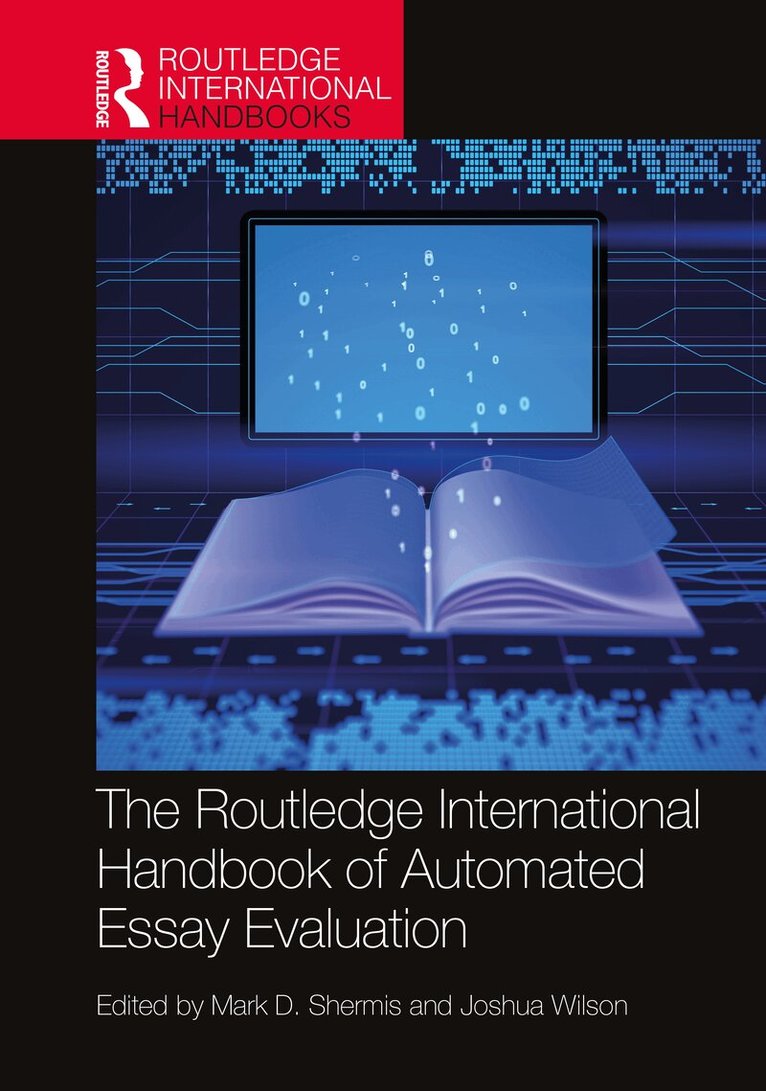
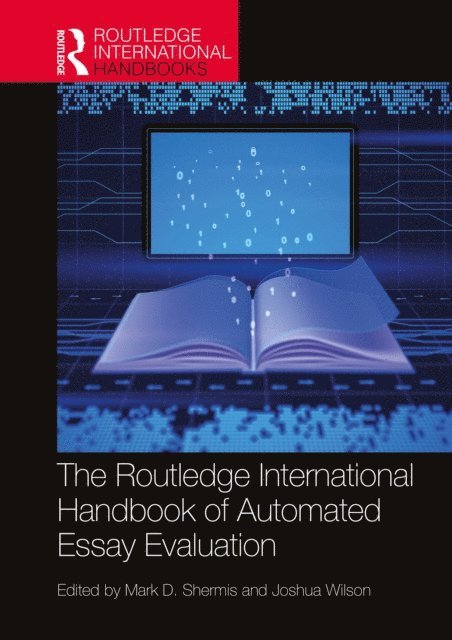
The Routledge International Handbook of Automated Essay Evaluation (AEE) is a definitive guide at the intersection of automation, artificial intelligence, and education. This volume encapsulates the ongoing advancement of AEE, reflecting its application in both large-scale and classroom-based assessments to support teaching and learning endeavors.It presents a comprehensive overview of AEE's current applications, including its extension into reading, speech, mathematics, and writing research; modern automated feedback systems; critical issues in automated evaluation such as psychometrics, fairness, bias, transparency, and validity; and the technological innovations that fuel current and future developments in this field. As AEE approaches a tipping point of global implementation, this Handbook stands as an essential resource, advocating for the conscientious adoption of AEE tools to enhance educational practices ethically. The Handbook will benefit readers by equipping them with the knowledge to thoughtfully integrate AEE, thereby enriching educational assessment, teaching, and learning worldwide.Aimed at researchers, educators, AEE developers, and policymakers, the Handbook is poised not only to chart the current landscape but also to stimulate scholarly discourse, define and inform best practices, and propel and guide future innovations.
686 kr
Skickas inom 10-15 vardagar
The Routledge International Handbook of Automated Essay Evaluation (AEE) is a definitive guide at the intersection of automation, artificial intelligence, and education. This volume encapsulates the ongoing advancement of AEE, reflecting its application in both large-scale and classroom-based assessments to support teaching and learning endeavors.It presents a comprehensive overview of AEE's current applications, including its extension into reading, speech, mathematics, and writing research; modern automated feedback systems; critical issues in automated evaluation such as psychometrics, fairness, bias, transparency, and validity; and the technological innovations that fuel current and future developments in this field. As AEE approaches a tipping point of global implementation, this Handbook stands as an essential resource, advocating for the conscientious adoption of AEE tools to enhance educational practices ethically. The Handbook will benefit readers by equipping them with the knowledge to thoughtfully integrate AEE, thereby enriching educational assessment, teaching, and learning worldwide.Aimed at researchers, educators, AEE developers, and policymakers, the Handbook is poised not only to chart the current landscape but also to stimulate scholarly discourse, define and inform best practices, and propel and guide future innovations.
694 kr
Kommande
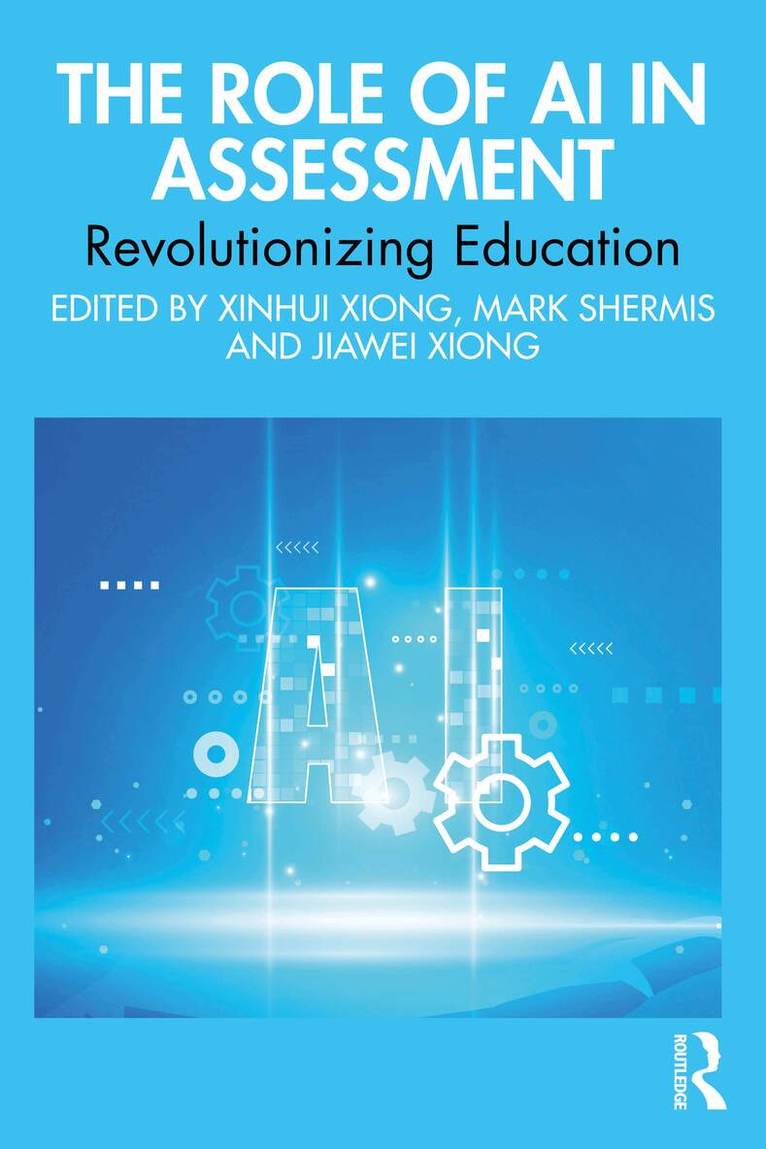
The Role of AI in Assessment: Revolutionizing Education examines how artificial intelligence is transforming the evaluation of learning and addresses the urgent need for innovative assessment methodologies. It analyzes both the opportunities and the constraints of AI-driven assessment, responding to the growing demand for approaches that harness AI capabilities rigorously and responsibly.Adopting an interdisciplinary perspective, the book introduces foundational AI concepts, including reinforcement learning, neural networks, deep learning, and large language models (LLMs), and makes these complex topics accessible to educators, researchers, and policymakers. Chapters on ethics, equity, and personalized learning provide a systematic treatment of AI’s implications for educational measurement and accountability.With a practical and forward-looking orientation, the volume explores applications such as automatic item generation, automated essay scoring, game-based assessment, and test security. Case studies illustrate implementation strategies and provide guidance for integrating AI into contemporary assessment systems.This resource is designed for educators, researchers, psychometricians, administrators, and policymakers seeking to design, evaluate, and govern AI-enabled assessment frameworks. It is also well suited for graduate courses in educational technology, assessment, data science in education, and AI ethics.
2 182 kr
Kommande
The Role of AI in Assessment: Revolutionizing Education examines how artificial intelligence is transforming the evaluation of learning and addresses the urgent need for innovative assessment methodologies. It analyzes both the opportunities and the constraints of AI-driven assessment, responding to the growing demand for approaches that harness AI capabilities rigorously and responsibly.Adopting an interdisciplinary perspective, the book introduces foundational AI concepts, including reinforcement learning, neural networks, deep learning, and large language models (LLMs), and makes these complex topics accessible to educators, researchers, and policymakers. Chapters on ethics, equity, and personalized learning provide a systematic treatment of AI’s implications for educational measurement and accountability.With a practical and forward-looking orientation, the volume explores applications such as automatic item generation, automated essay scoring, game-based assessment, and test security. Case studies illustrate implementation strategies and provide guidance for integrating AI into contemporary assessment systems.This resource is designed for educators, researchers, psychometricians, administrators, and policymakers seeking to design, evaluate, and govern AI-enabled assessment frameworks. It is also well suited for graduate courses in educational technology, assessment, data science in education, and AI ethics.
700 kr
Skickas inom 10-15 vardagar
This new volume is the first to focus entirely on automated essay scoring and evaluation. It is intended to provide a comprehensive overview of the evolution and state-of-the-art of automated essay scoring and evaluation technology across several disciplines, including education, testing and measurement, cognitive science, computer science, and computational linguistics.The development of this technology has led to many questions and concerns. Automated Essay Scoring attempts to address some of these questions including:*How can automated scoring and evaluation supplement classroom instruction? *How does the technology actually work? *Can it improve students' writing? *How reliable is the technology? *How can these computing methods be used to develop evaluation tools? *What are the state-of the-art essay evaluation technologies and automated scoring systems? Divided into four parts, the first part reviews the teaching of writing and how computers can contribute to it. Part II analyzes actual automated essay scorers including e-raterTM, Intellimetric, and the Intelligent Essay Assessor. The third part analyzes related psychometric issues, and the final part reviews innovations in the field.This book is ideal for researchers and advanced students interested in automated essay scoring from the fields of testing and measurement, education, cognitive science, language, and computational linguistics.
Ed464 950 - Exit Assessments
Evaluating Writing Ability Through Automated Essay Scoring
Häftad, Engelska, 2013
260 kr
Skickas inom 3-6 vardagar
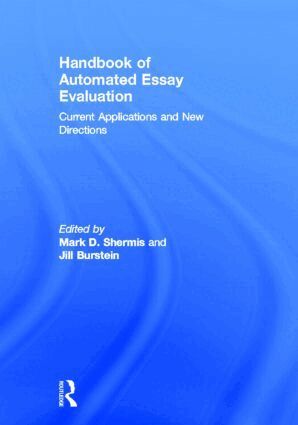
Handbook of Automated Essay Evaluation
Current Applications and New Directions
Inbunden, Engelska, 2013
4 071 kr
Skickas inom 10-15 vardagar
This comprehensive, interdisciplinary handbook reviews the latest methods and technologies used in automated essay evaluation (AEE) methods and technologies. Highlights include the latest in the evaluation of performance-based writing assessments and recent advances in the teaching of writing, language testing, cognitive psychology, and computational linguistics. This greatly expanded follow-up to Automated Essay Scoring reflects the numerous advances that have taken place in the field since 2003 including automated essay scoring and diagnostic feedback. Each chapter features a common structure including an introduction and a conclusion. Ideas for diagnostic and evaluative feedback are sprinkled throughout the book. Highlights of the book’s coverage include: The latest research on automated essay evaluation. Descriptions of the major scoring engines including the E-rater®, the Intelligent Essay Assessor, the Intellimetric™ Engine, c-rater™, and LightSIDE. Applications of the uses of the technology including a large scale system used in West Virginia. A systematic framework for evaluating research and technological results. Descriptions of AEE methods that can be replicated for languages other than English as seen in the example from China. Chapters from key researchers in the field.The book opens with an introduction to AEEs and a review of the "best practices" of teaching writing along with tips on the use of automated analysis in the classroom. Next the book highlights the capabilities and applications of several scoring engines including the E-rater®, the Intelligent Essay Assessor, the Intellimetric™ engine, c-rater™, and LightSIDE. Here readers will find an actual application of the use of an AEE in West Virginia, psychometric issues related to AEEs such as validity, reliability, and scaling, and the use of automated scoring to detect reader drift, grammatical errors, discourse coherence quality, and the impact of human rating on AEEs. A review of the cognitive foundations underlying methods used in AEE is also provided. The book concludes with a comparison of the various AEE systems and speculation about the future of the field in light of current educational policy.Ideal for educators, professionals, curriculum specialists, and administrators responsible for developing writing programs or distance learning curricula, those who teach using AEE technologies, policy makers, and researchers in education, writing, psychometrics, cognitive psychology, and computational linguistics, this book also serves as a reference for graduate courses on automated essay evaluation taught in education, computer science, language, linguistics, and cognitive psychology.