Michael J. Welsh – författare
Visar alla böcker från författaren . Handla med fri frakt och snabb leverans.
5 produkter
5 produkter
Inbunden, Engelska, 1996
3 339 kr
Skickas inom 10-15 vardagar
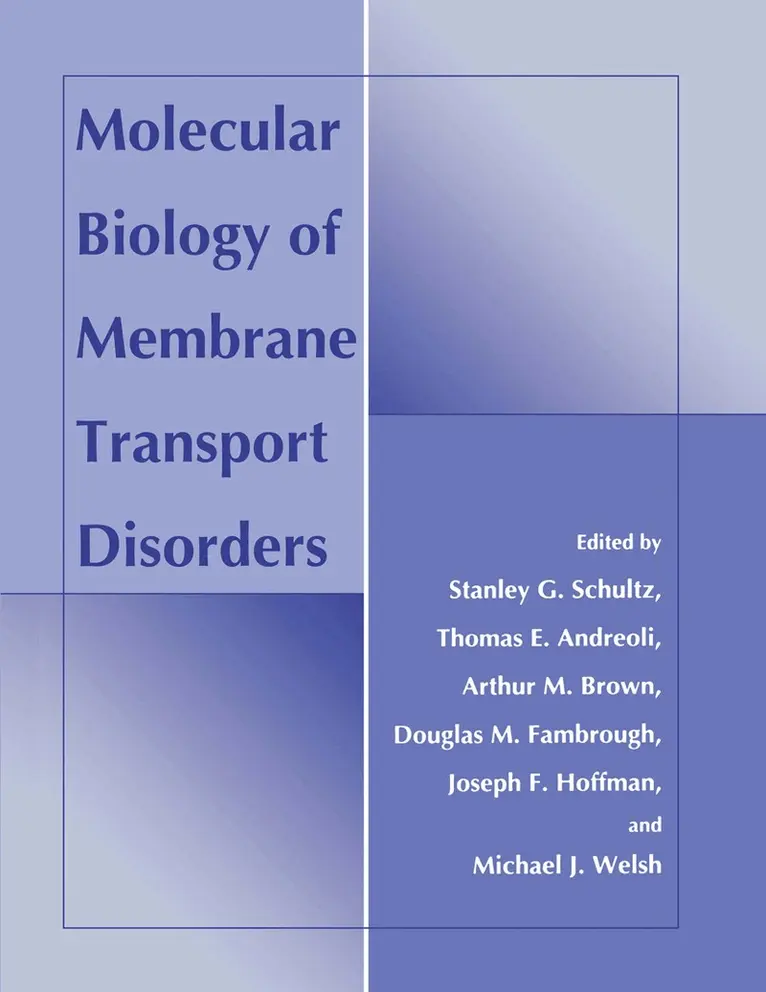
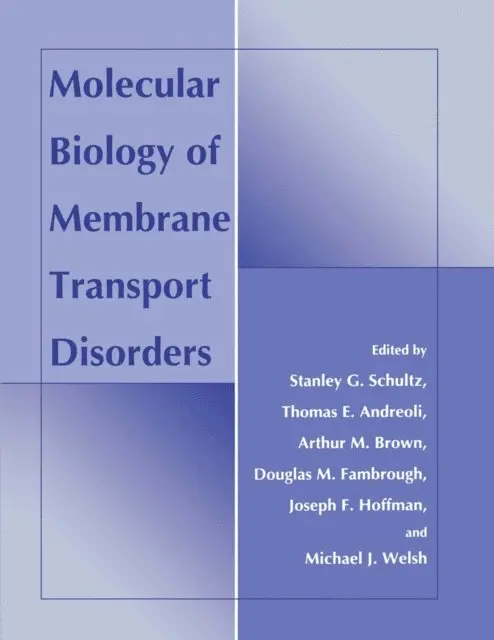
When the six of us gathered to start planning for what was to be the Third Edition of Physiology of Membrane Disorders, it was clear that since 1986, when the Second Edition appeared, the field had experienced the dawning of a new era dominated by a change in focus from phenomenology to underlying mechanisms propelled by the power of molecular biology. In 1985, detailed molecular information was available for only three membrane transporters: the lac permease, bacterial rhodopsin, and the acetylcholine receptor. During the decade that has since elapsed, almost all of the major ion channels and transport proteins have been cloned, sequenced, mutagenized, and expressed in homologous as well as heterologous cells. Few, if any, of the transporters that were identified during the previous era have escaped the probings of the new molecular technologies and, in many instances, considerable insight has been gained into their mechanisms of function in health and disease. Indeed, in some instances novel, unexpected transporters have emerged that have yet to have their functions identified. The decision to adopt the new title Molecular Biology of Membrane Transport Disorders was a natural outgrowth of these considerations.
E-bok
Engelska, 20163 530 kr
Läs direkt efter köp
Covering state-of-the-art technologies and a broad range of practical applications, the Third Edition of Gene Biotechnology presents tools that researchers and students need to understand and apply today's biotechnology techniques. Many of the currently available books in molecular biology contain only protocol recipes, failing to explain the princ
Inbunden, Engelska, 2011
2 972 kr
Skickas inom 10-15 vardagar
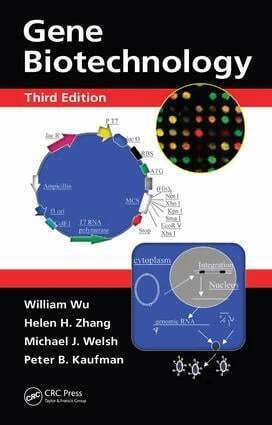
Covering state-of-the-art technologies and a broad range of practical applications, the Third Edition of Gene Biotechnology presents tools that researchers and students need to understand and apply today's biotechnology techniques. Many of the currently available books in molecular biology contain only protocol recipes, failing to explain the principles and concepts behind the methods outlined or to inform the reader of possible pitfalls in the methods described. Filling these gaps, this book: Discusses a wide variety of approaches, from very basic methods to the latest, most sophisticated technologiesContains clearly detailed, step-by-step protocols with helpful troubleshooting tipsAddresses the needs of researchers in academic and commercial environmentsGuides graduate students in designing, implementing, and evaluating experimental projects.Each chapter covers the principles underlying methods and techniques, and includes step-by-step descriptions of each protocol, notes, tips, and a troubleshooting guide. The book includes sections on how to write a research paper for publication in English-language journals, how to protect research discoveries and inventions via patents, and practical methods of bio-calculation. Written by a team of internationally recognized scientists, Gene Biotechnology presents protocols as well as clear and simple explanations of the key principles and concepts behind the methods. It is a single, logically organized source for the most important new methodologies. This unique resource provides the tools to help ensure success in contemporary molecular and cellular biology research.
E-bok
PDF, Engelska, 20163 530 kr
Läs direkt efter köp
Covering state-of-the-art technologies and a broad range of practical applications, the Third Edition of Gene Biotechnology presents tools that researchers and students need to understand and apply today's biotechnology techniques. Many of the currently available books in molecular biology contain only protocol recipes, failing to explain the princ
E-bok
PDF, Engelska, 20134 066 kr
Läs direkt efter köp
When the six of us gathered to start planning for what was to be the Third Edition of Physiology of Membrane Disorders, it was clear that since 1986, when the Second Edition appeared, the field had experienced the dawning of a new era dominated by a change in focus from phenomenology to underlying mechanisms propelled by the power of molecular biology. In 1985, detailed molecular information was available for only three membrane transporters: the lac permease, bacterial rhodopsin, and the acetylcholine receptor. During the decade that has since elapsed, almost all of the major ion channels and transport proteins have been cloned, sequenced, mutagenized, and expressed in homologous as well as heterologous cells. Few, if any, of the transporters that were identified during the previous era have escaped the probings of the new molecular technologies and, in many instances, considerable insight has been gained into their mechanisms of function in health and disease. Indeed, in some instances novel, unexpected transporters have emerged that have yet to have their functions identified. The decision to adopt the new title Molecular Biology of Membrane Transport Disorders was a natural outgrowth of these considerations.